
Sudden softening of your bird's droppings should not be overlooked. In this article, we delve into the underlying hidden health issues, early warning signs, and emergency intervention strategies that can save lives as of March 2026.


Discover the neurobiological signals of hidden stress your newly adopted cat experiences during adaptation to a new social environment. This article reveals 5 insidious signs of your cat's silent struggle and scientific strategies for peaceful, long-term harmony.

Your dog's anal sacs, located beneath the tail, can be hidden alarm bells often overlooked but profoundly affecting their quality of life. In this article, you will discover the 5 insidious neurobiological effects of anal sac problems on the brain and the lifesaving care secrets you need to know for your furry friend to live a peaceful life.
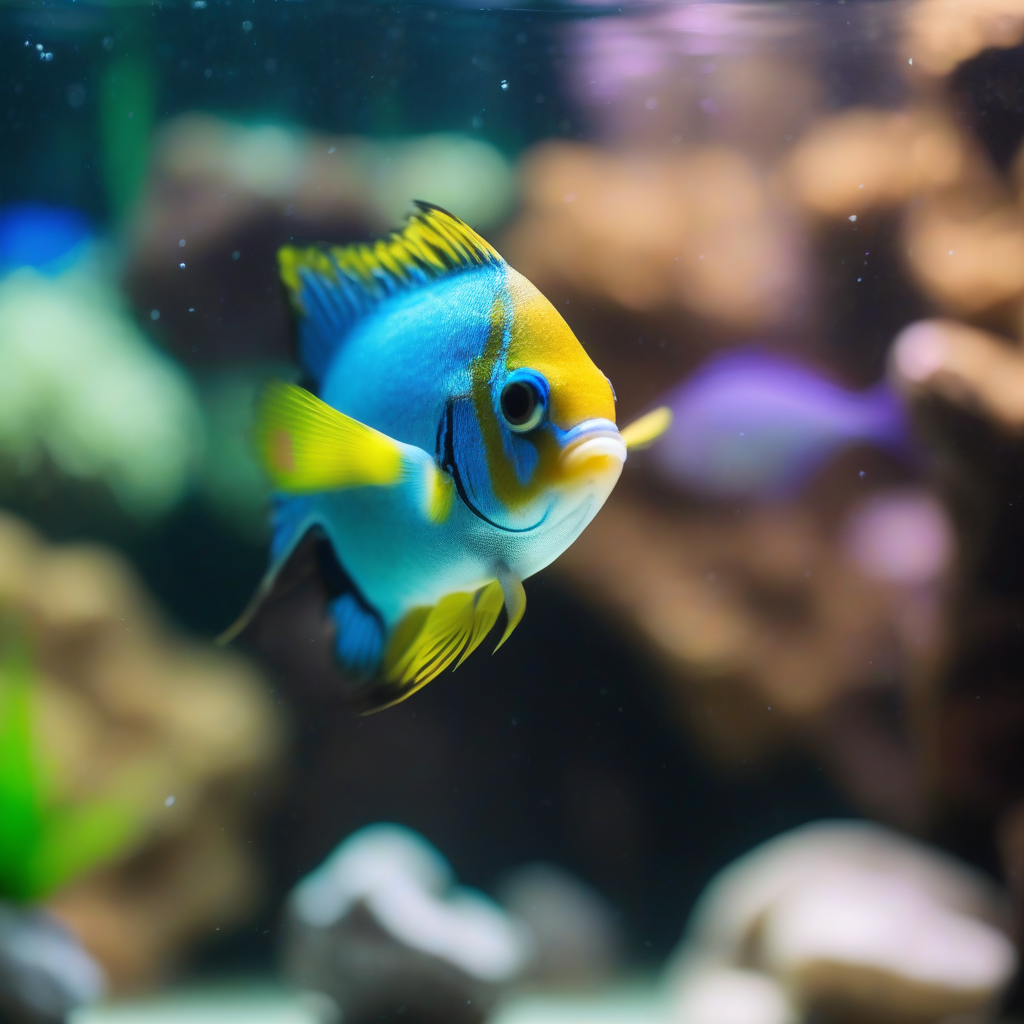
In this article, you will find comprehensive information on the insidious neurotoxic effects of heavy metal poisoning in aquarium fish, its symptoms, and lifesaving emergency intervention codes. This condition, which can arise from household water sources, improper equipment, or neglect, can severely threaten your fish's quality of life and lifespan.
One of the most common yet often underestimated issues faced by pet bird owners is the sudden and unexplained softening of their feathered friends' droppings. This condition can range from a simple dietary mistake to a life-threatening serious health problem. With updated information as of March 2026, correctly interpreting this 'softness alarm' in your bird's droppings and being prepared for potential crises is of vital importance.
Bird droppings are a mirror that offers invaluable information about their overall health. Changes in color, consistency, and quantity provide clues about many physiological processes, from the digestive system to immune responses. Especially, sudden softening or liquefaction (diarrhea-like condition) observed in droppings is one of the most obvious signals the body sends that something is wrong. Dismissing this as merely 'a bit messy' can delay the early diagnosis of potentially serious diseases and put your bird's health at risk.
Although every bird is different, there are some common signs that can accompany loose droppings. Noticing these early is the key to preventing a potential crisis:
If you notice any of these signs, your bird's health may be seriously at risk. Remember, birds tend to hide their pain and discomfort. Therefore, such obvious signals may indicate that the condition has already progressed.
There are many potential reasons for loose droppings in birds, some of which include:
If you notice sudden and severe loose droppings in your bird, remain calm and follow these steps:
Beyond emergencies, regular care is essential to maintain your bird's overall health. A balanced diet, a stress-reducing living environment, and regular veterinary check-ups can prevent many health problems. Our article, Your Bird's Invisible Architect: Secrets of Cage Layout and Strategic Enrichment Satisfying Natural Instincts, offers valuable insights into how stress can be reduced by improving the living space.
Remember, your bird's health is in your hands. By reading its hidden signals and taking the right steps at the right time, you can share a longer and healthier life with your feathered friend.
