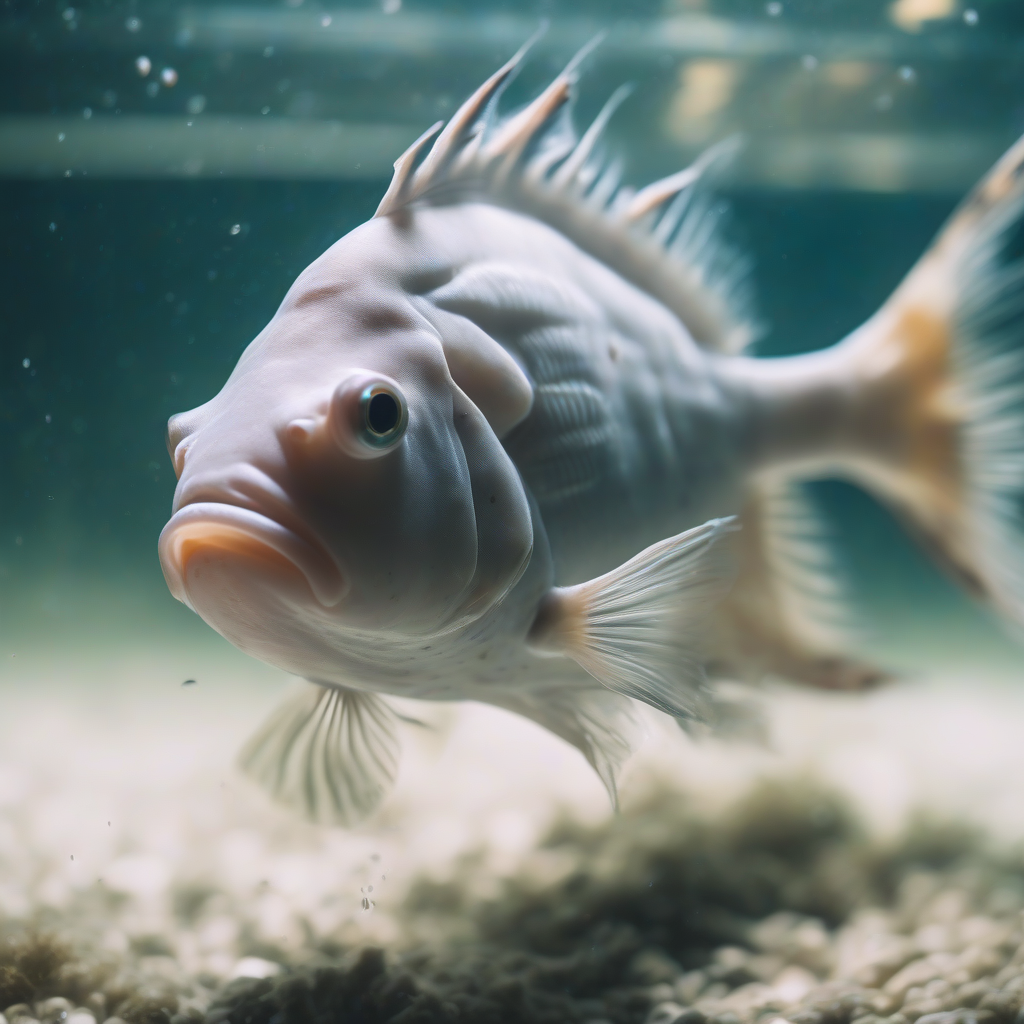
Understand sudden ammonia poisoning, one of the deadliest emergencies in the aquarium hobby, with this comprehensive guide. Learn scientific strategies to recognize insidious symptoms early and implement lifesaving first aid steps. Everything you need to know to protect your fish's health and prevent potential crises is here.


Discover the neurobiological signals of hidden stress your newly adopted cat experiences during adaptation to a new social environment. This article reveals 5 insidious signs of your cat's silent struggle and scientific strategies for peaceful, long-term harmony.

Your dog's anal sacs, located beneath the tail, can be hidden alarm bells often overlooked but profoundly affecting their quality of life. In this article, you will discover the 5 insidious neurobiological effects of anal sac problems on the brain and the lifesaving care secrets you need to know for your furry friend to live a peaceful life.
In this article, you will find comprehensive information on the insidious neurotoxic effects of heavy metal poisoning in aquarium fish, its symptoms, and lifesaving emergency intervention codes. This condition, which can arise from household water sources, improper equipment, or neglect, can severely threaten your fish's quality of life and lifespan.
As of March 2026, one of our greatest responsibilities as pet owners is our ability to respond accurately and quickly to sudden health crises in our tiny companions. For aquarium fish, perhaps the most insidious and deadly of these crises is sudden ammonia poisoning. The water quality of an aquarium directly impacts the quality of life for fish, and ammonia is one of the biggest enemies of this balance. Often, by the time it's noticed, it's too late; however, with the right knowledge and quick reflexes, this situation can be prevented or managed. In this comprehensive guide, we will delve into the often-overlooked symptoms, causes, and lifesaving first aid strategies for sudden ammonia poisoning in your fish, based on scientific principles. Our goal is to enhance your knowledge in the aquarium hobby, helping you provide a safer and healthier living environment for your finned friends.
The aquarium ecosystem is built upon a delicate biological balance known as the 'nitrogen cycle.' This cycle ensures that ammonia (NH3), originating from fish waste, uneaten food, and decaying plant matter, is converted by beneficial bacteria first into nitrite (NO2), and then into the relatively less toxic nitrate (NO3). Ammonia (NH3) itself is an extremely toxic compound, especially in water with a high pH. It rapidly penetrates the fish's gills, hindering oxygen transfer, causing cellular damage, and leading to organ failure. This immediately elevates fish stress levels and can quickly result in death. As we highlighted in our article, The Invisible Emotional World of Fish: A Scientific Look at Understanding Signals of Stress, Pain, and Joy, fish can exhibit stress symptoms in very subtle ways, and ammonia poisoning is one of their most silent cries.
The symptoms of ammonia poisoning are initially mild and can be mistaken for other illnesses. Therefore, careful observation is vital:
Several key factors can lead to a sudden spike in ammonia levels:
When ammonia poisoning is detected, every second counts. The following steps must be taken immediately to increase your fish's chances of survival:
After overcoming the acute crisis, it is imperative to implement lasting solutions to prevent similar situations from recurring:
If, despite the above first aid steps, your fish's condition worsens or shows no signs of improvement, do not hesitate to consult a specialized aquatic veterinarian. Exotic fish veterinarians, in particular, possess deep knowledge of aquarium chemistry and fish physiology and can formulate accurate diagnostic and treatment plans.
Sudden ammonia poisoning is a serious threat that every fish owner in the aquarium hobby may encounter. However, this danger can be easily managed with knowledge, careful observation, and rapid intervention. Regularly testing aquarium water quality, diligently observing your fish's behavior, and having an emergency plan are key to ensuring your tiny underwater friends lead healthy and long lives. Remember, an aquarium is an ecosystem, and the balance of each component is vital for the well-being of its inhabitants. This guide has been prepared to direct you in times of crisis and help you become a more informed fish owner.
