
In this article, you will find the latest veterinary recommendations, new care tips, and trends for maintaining your pets' coat and skin health in Spring 2026.


Discover the neurobiological signals of hidden stress your newly adopted cat experiences during adaptation to a new social environment. This article reveals 5 insidious signs of your cat's silent struggle and scientific strategies for peaceful, long-term harmony.

Your dog's anal sacs, located beneath the tail, can be hidden alarm bells often overlooked but profoundly affecting their quality of life. In this article, you will discover the 5 insidious neurobiological effects of anal sac problems on the brain and the lifesaving care secrets you need to know for your furry friend to live a peaceful life.
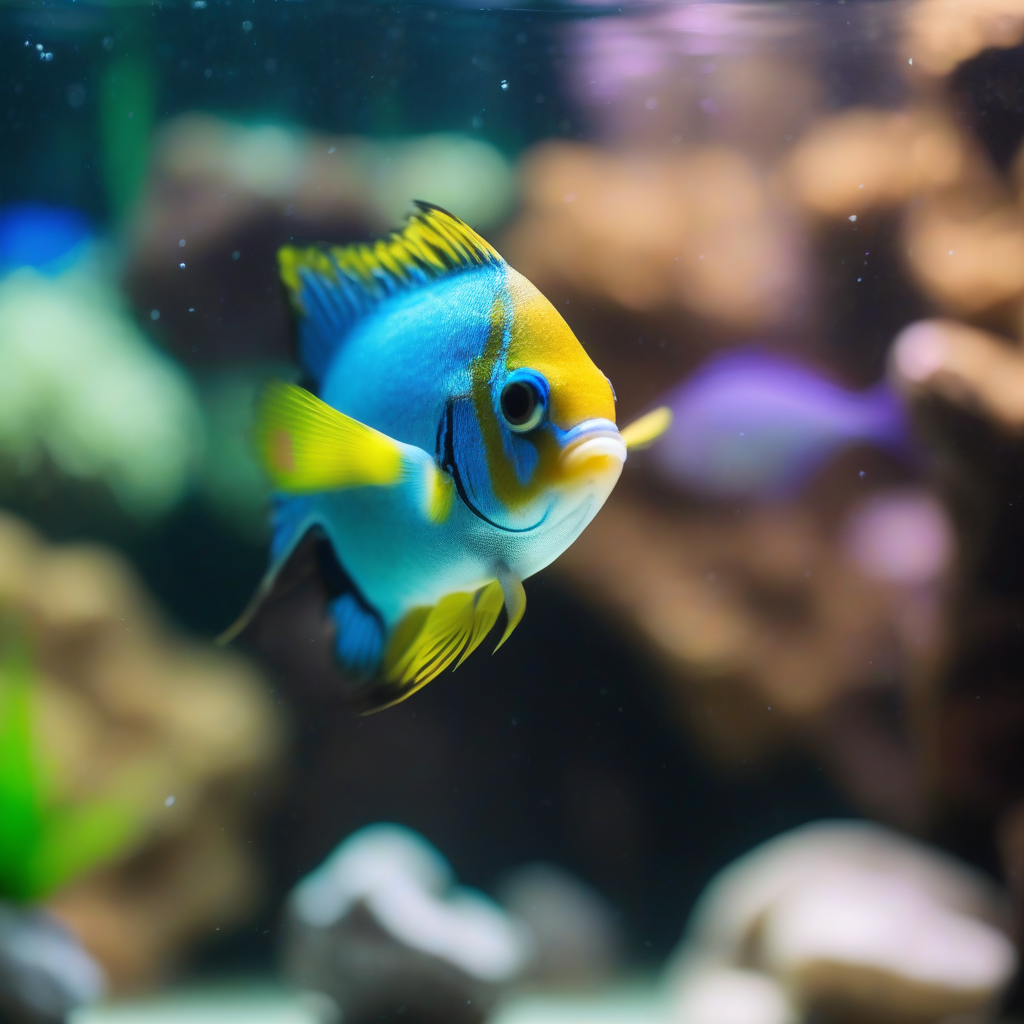
In this article, you will find comprehensive information on the insidious neurotoxic effects of heavy metal poisoning in aquarium fish, its symptoms, and lifesaving emergency intervention codes. This condition, which can arise from household water sources, improper equipment, or neglect, can severely threaten your fish's quality of life and lifespan.
The start of March heralds nature's awakening and a new phase in our pets' lives. Following the cold and dry weather of winter, spring directly impacts both their energy levels and physical appearance. During this time, paying extra attention to our pets' coat and skin health ensures they have a more comfortable and healthy transition.
For Spring 2026, we have compiled the latest veterinary advice, trends, and practical care recommendations for coat and skin health.
With the arrival of spring, increases in temperature, fluctuations in humidity, and rising pollen levels can cause changes in the skin and coat structure of our pets. The process of shedding dull winter fur and replacing it with brighter, more vibrant coats begins. However, this process can also bring issues like itching, dryness, flakiness, or allergic reactions for some of our companions.
There is a growing trend towards natural, hypoallergenic products for pet shampoos, creams, and care sprays, moving away from synthetic chemicals. Ingredients like chamomile, oat extract, and aloe vera, known for their soothing and moisturizing effects, are ideal for sensitive skin.
The foundation of a healthy coat is a balanced and high-quality diet. In Spring 2026, foods enriched with vitamins and minerals like omega-3 and omega-6 fatty acids, biotin, and zinc, which support coat health, are gaining prominence. Our guide, Spring 2026 Cat and Dog Nutrition: Latest Trends and Health-Focused Recommendations, will guide you on this matter.
Gut health directly influences overall body health, including coat and skin health. Ensuring internal health balance is reflected externally as a shiny and healthy coat.
Our article The Pet Gut Microbiome: Key to Healthy Living in 2026 explains the current approaches to this topic.
Regular brushing, especially for long-haired breeds, prevents matting and stimulates blood circulation in the skin. For pets with sensitive skin or a predisposition to allergies, special shampoos and lotions recommended by your veterinarian should be used.
It is of great importance to consult your veterinarian at the beginning of spring to diagnose any coat or skin issues early and determine the correct treatment methods. Your veterinarian will create the most suitable care and nutrition plan based on your pet's coat type, skin condition, and potential allergic predispositions. Annual Veterinary Check-ups and Vaccination Schedule for Pets in 2026: A Comprehensive Guide for a Healthy and Happy Life provides detailed information.
Remember, with loving care and proper veterinary support, you can ensure your pets feel their best, both physically and mentally, throughout the spring. Their shiny coats and healthy skin will be a testament to your love for them.
