
In this article, you will discover how cats form a 'trust map' in their brains during early adoption, the neurocognitive secrets to deep bonding with humans, and scientific approaches to positively influence this map.

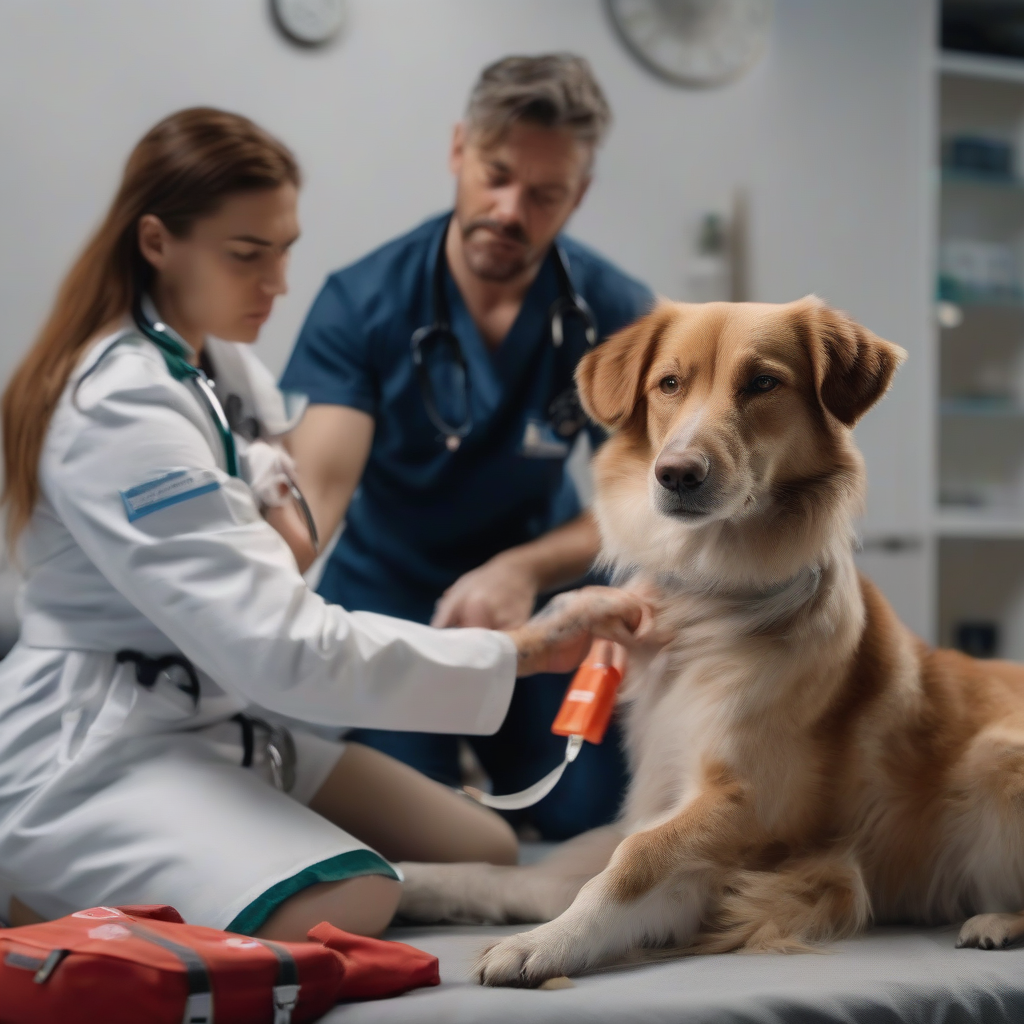
Discover the types of burns your dog can suffer, the 5 insidious neurophysiological effects these burns create in the brain and body, and lifesaving emergency intervention strategies in this comprehensive guide. We shed light on the dangers behind forgotten household accidents from a scientific perspective.

Discover the neurobiological signals of hidden stress your newly adopted cat experiences during adaptation to a new social environment. This article reveals 5 insidious signs of your cat's silent struggle and scientific strategies for peaceful, long-term harmony.

Your dog's anal sacs, located beneath the tail, can be hidden alarm bells often overlooked but profoundly affecting their quality of life. In this article, you will discover the 5 insidious neurobiological effects of anal sac problems on the brain and the lifesaving care secrets you need to know for your furry friend to live a peaceful life.
Adopting a cat is an exciting new beginning for both you and your tiny friend. However, the foundations of this new relationship are shaped by a "trust map" silently drawn in your cat's brain. This map is a reflection of complex neurocognitive processes that determine how your cat will interact with its new environment, especially with you. Understanding these hidden locks during the early adoption and socialization period is key to forging a lasting and deep bond. Veterinarians and animal behavior scientists constantly research how cats' brains work in adapting to a new environment and in their relationships with humans. In this article, we will explain 5 critical neurocognitive secrets with scientific approaches that will positively influence your cat's trust map and strengthen the bond between you.
In cats' social learning and adaptation processes, the sense of smell is far more dominant than humans' visual perception. Upon arriving at a new home, your cat's amygdala instantly processes ambient scents to make a threat or safety assessment. This is fundamental to their survival instincts. The dominant scents in your home (your scent, other pet scents, cleaning products, etc.) leave the first and most lasting impressions on your cat's brain map.
Cats heavily utilize their hippocampus to map their environment and identify safe havens. In a new environment, the function of this area is to create "core areas" where your cat feels secure. High places, boxes or tunnels where they can hide, reduce the cat's stress levels by decreasing cortisol secretion and making it feel safe. This spatial mapping in your cat's brain directly influences its self-confidence and, consequently, its openness to socialization.
The human-cat bond largely relies on the secretion of oxytocin, known as the "love hormone." However, this does not mean every touch will have a positive effect. The cat's neurocognitive system evaluates the context, duration, and intensity of being touched. Physical contact established slowly, gently, and within the boundaries set by your cat (e.g., scratching its head or chin) triggers oxytocin release in the brain and supports bonding. Sudden touches at the wrong time or in an uncomfortable manner can increase cortisol, creating stress and distrust.
In cats, the prefrontal cortex is associated with planning, decision-making, and the perception of predictability. In a new home environment, consistent routines (feeding times, playtime, litter box cleaning, etc.) help the cat understand that its world is orderly and safe. This predictability triggers dopamine release in their brains, creating positive expectations and reducing stress. Sudden and frequent changes, however, can overload the cat's prefrontal cortex, leading to anxiety.
The existence of a mirror neuron system in cats is linked to their ability to imitate or understand human behaviors and even emotional states. Your cat perceives whether you are calm or tense from your body language, tone of voice, and general energy level. If you are stressed, your cat is likely to have a similar neurological response. Exhibiting a calm, patient, and positive approach positively affects your cat's mirror neurons, allowing it to relax and trust you.
The "trust map" your cat creates during the early adoption process is not just an adaptation story, but also a neurocognitive journey. The amygdala's scent perception, the hippocampus's spatial security, oxytocin's touch chemistry, the prefrontal cortex's routine expectations, and mirror neurons' empathetic reflection form the cornerstones of this map. By understanding and applying these scientific secrets, you can build not just a housemate relationship with your cat, but a deep, meaningful, and lifelong bond. Remember, patience, understanding, and a scientific approach are the strongest foundations of this unique friendship.
