
In this article, you will discover how capable an observer your cat truly is and how to leverage their social learning skills in training. By understanding the mysterious neurocognitive mechanisms in their brains, you can enable your cat to learn new behaviors more quickly and permanently.

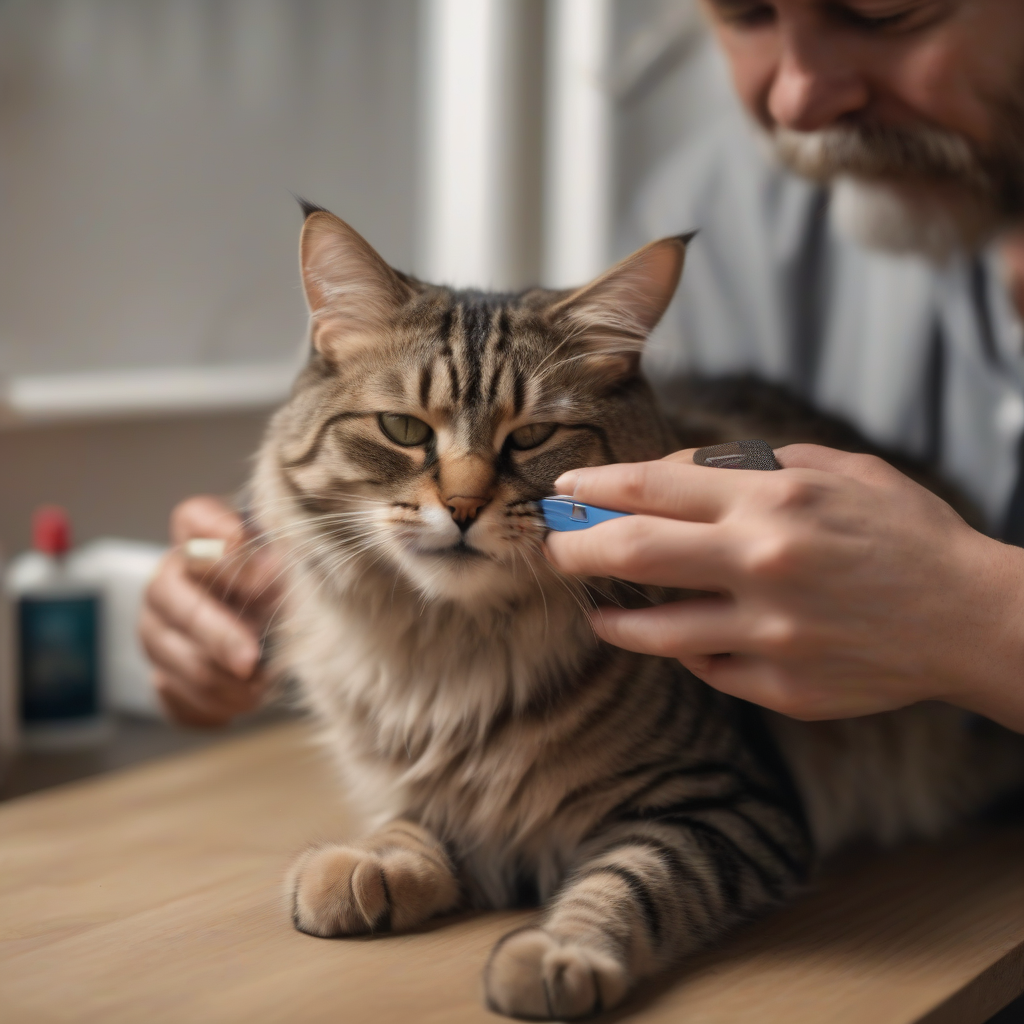
In this article, you will discover why your cat resists routine care, the neurobiological reasons behind this resistance, and scientific secrets to make care processes more peaceful for both you and your cat.
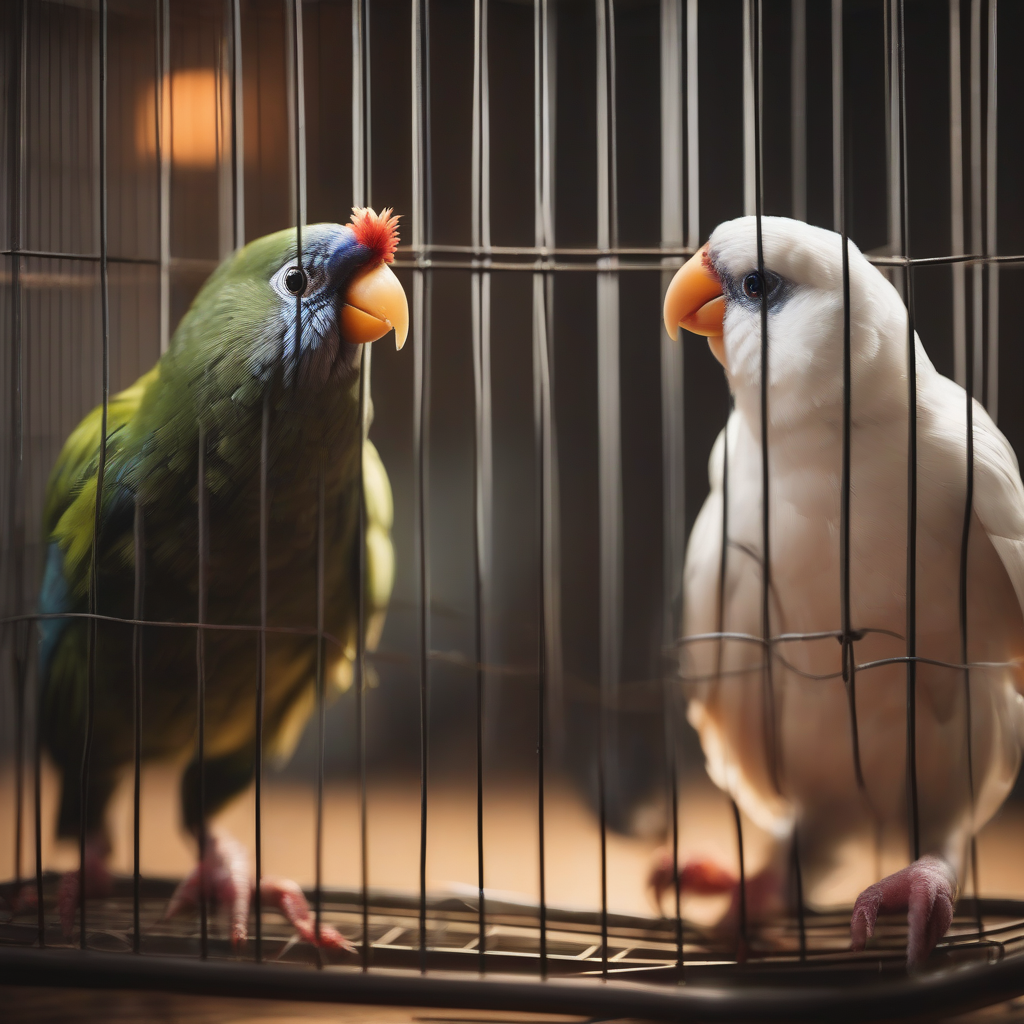
Pet birds naturally live within complex social structures and hierarchies. When a new bird joins an existing flock, this process triggers deep neurocognitive changes in both birds' brains. This article explores the neurocognitive secrets of inter-bird social integration, offering scientific guidance for creating a healthy and peaceful social environment.
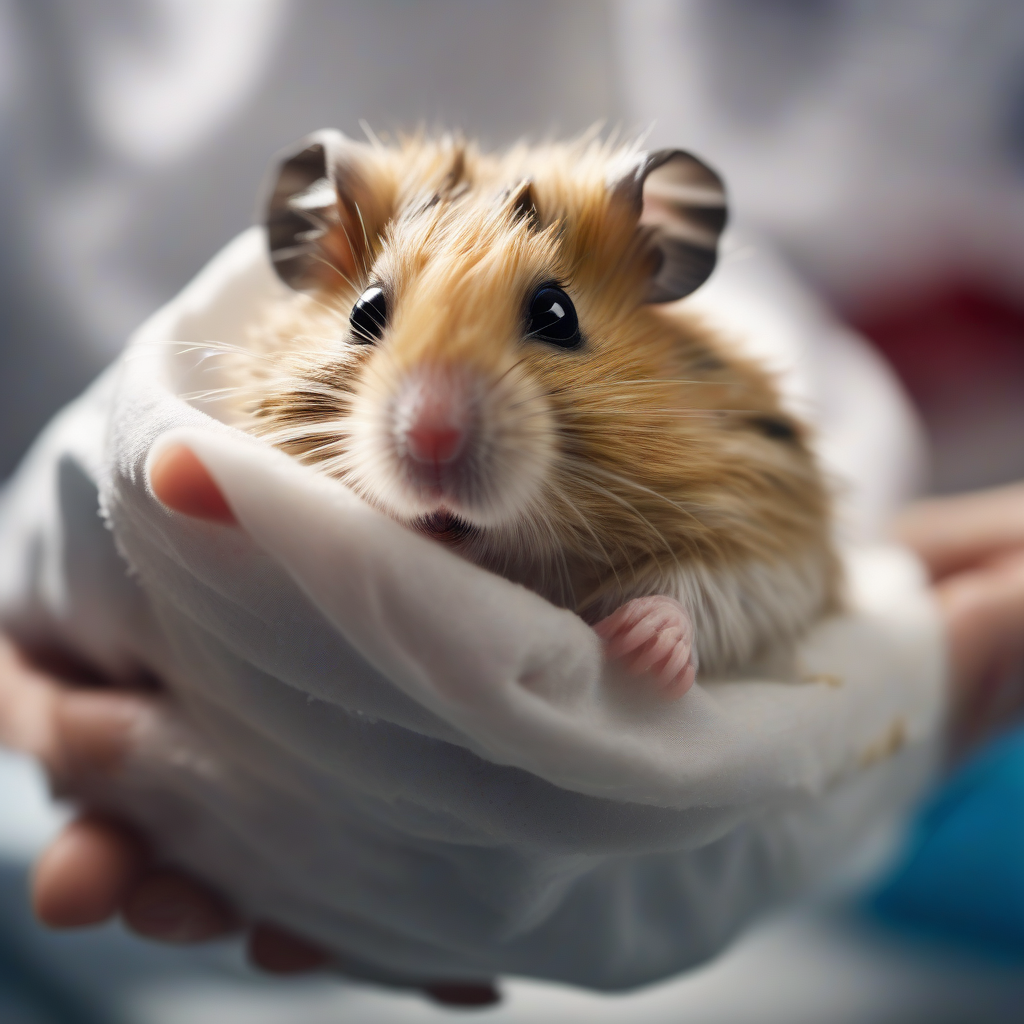
Heatstroke in hamsters is a critical emergency with insidious neurophysiological effects that pose a fatal risk to their tiny bodies. In this article, we will examine the 5 hidden effects of hyperthermia on the brain and lifesaving emergency intervention codes with scientific details.
While cats are often perceived as independent, self-reliant creatures that hunt alone, they actually learn a great deal by observing stimuli in their environment, especially humans or other animals. This 'secret observer brain' can boost your cat's training potential far more than you might imagine. As of July 2026, modern veterinary science and ethology allow us to better understand the depths of cats' social learning abilities. Get ready to learn how to activate your cat's mimicry and observation skills, moving beyond traditional conditioning methods.
Social learning is the process by which an organism acquires new behaviors by observing the actions of others and analyzing their consequences. In cats, this can range from watching how a door is opened, seeing how a specific toy is reacted to, or even following your daily routines at home. Beyond your cat's instinctive behaviors, their interactions and observations of their environment form the foundation for acquiring complex skills. This is not just for entertainment, but a critical tool for reinforcing safe behaviors, correcting undesirable habits, and providing a richer life.
Cats possess certain observational skills inherited from their wild ancestors. Kittens learn survival skills by watching their mothers hunt, groom, or avoid dangers. With the domestication process, humans have also become important models for cats. This evolutionary background explains cats' capacity to acquire new information and skills through mimicry. Understanding this natural ability of your cat can help transform your training approaches. Similarly, Your Bird's 'Mimic Brain' demonstrates how powerful a tool observational and mimetic learning can be, even across different species.
At the core of cats' social learning abilities are complex neurocognitive processes in the brain. Understanding these secrets will make your training strategies more scientific and effective.
Evidence is increasing for the existence of mirror neuron-like systems in cats' brains, similar to those found in mammals, especially primates and other social species. These neurons activate when we observe an action performed by someone else, even if we are not performing the action ourselves. This can mean that when your cat observes an action, a representation of that action potentially forms in its own motor cortex. This mechanism creates a kind of primitive 'empathy' or 'understanding', increasing the likelihood of imitation or reacting in a similar way.
Attention is crucial for social learning. Cats show selective attention, especially towards behaviors that evoke curiosity or promise rewards. The brain's attention centers prioritize certain stimuli while observing the model's behavior and filter out irrelevant noise. This suggests that strategies for zeroing out environmental distractions, such as those discussed in Your Dog's Brain's 'Hidden Focus Key', work with similar adaptations in cats.
Cats have the ability to evaluate the consequences of an observed behavior. If the model achieves a positive outcome (e.g., food, toy, or attention) after performing a behavior, the cat will be more motivated to copy that behavior. The brain's reward centers activate with this positive expectation, increasing the likelihood of repeating the behavior. This is strongly linked to Your Cat's 'Secret Goal-Oriented' Training, as the cat learns ways to achieve a goal through observation.
For observed behaviors to become permanent, the brain's memory systems come into play. Observations need to be transferred from short-term memory to long-term memory and consolidated. This process is reinforced by repeated observations or post-observation practice. Even after observing a behavior for the first time, your cat can later easily recall and perform it with the right environment and motivation.
Cats, especially in new or uncertain situations, can socially reference by taking cues from humans or other cats they trust. The model's calm or joyful reactions can lead the cat to perceive the situation as safe and be more willing to imitate the model. This, through a kind of emotional contagion mechanism, can reduce your cat's stress during the learning process and increase cooperation. In situations like Your Cat's 'Voluntary Disobedience' Codes, providing correct social referencing can reduce the cat's resistance.
How can you utilize your cat's powerful social learning capacity in training? Here are some scientifically optimized methods:
Present the behavior you want your cat to mimic as clearly, consistently, and understandably as possible. Break down complex behaviors into simple steps. For example, if you want to teach retrieving an object, first retrieve it yourself, then reward your cat. This, in conjunction with Your Cat's 'Hidden Perception Map', helps the cat understand the behavior better by breaking it into parts.
Rewards following the model's behavior greatly increase the cat's learning motivation. When the model (you or another cat) completes an action and is rewarded, the observing cat begins to anticipate this positive outcome. When your cat attempts the behavior, apply immediate and consistent positive reinforcement. This accelerates learning for both the model and the observer.
Observing a behavior from different models (other family members or other trained cats) and in different environments helps your cat generalize that behavior more. This means your cat can apply that skill in various situations, not just with a specific person or in a specific place.
Your cat constantly observes you. Your calm and consistent behaviors serve as a positive role model for your cat in the home environment. Your calm reactions to stressful situations can help your cat develop similar responses. This can contribute to your cat developing Your Cat's 'Voluntary Participation' Secret even for challenging situations like vet visits.
Social learning is a powerful tool that deepens the bond we share with cats and enriches our training approaches. Understanding your cat's 'secret observer brain' and strategically using this knowledge will enhance the quality of life for both you and your cat. Remember, patience, consistency, and positive reinforcement are the cornerstones of any training process.
