In this article, you will discover 5 lesser-known neurometabolic triggers behind Feline Lower Urinary Tract Disease (FLUTD) in cats and find scientific solutions to combat these 'secret bladder rebels'.

Discover the types of burns your dog can suffer, the 5 insidious neurophysiological effects these burns create in the brain and body, and lifesaving emergency intervention strategies in this comprehensive guide. We shed light on the dangers behind forgotten household accidents from a scientific perspective.

Discover the neurobiological signals of hidden stress your newly adopted cat experiences during adaptation to a new social environment. This article reveals 5 insidious signs of your cat's silent struggle and scientific strategies for peaceful, long-term harmony.

Your dog's anal sacs, located beneath the tail, can be hidden alarm bells often overlooked but profoundly affecting their quality of life. In this article, you will discover the 5 insidious neurobiological effects of anal sac problems on the brain and the lifesaving care secrets you need to know for your furry friend to live a peaceful life.
Dear cat lovers, when it comes to the health of our beloved pets, sometimes even the most common ailments hide profound scientific secrets. Feline Lower Urinary Tract Disease (FLUTD), a common condition in cats that can severely impact their quality of life, is much more than a simple urinary tract infection. Often referred to as 'idiopathic cystitis' due to its poorly understood forms, FLUTD is actually a complex neurometabolic problem triggered by 'secret bladder rebels' within your cat's internal world. In this article, illuminated by May 2026 data, we will delve into these 5 insidious neurometabolic triggers silently threatening your cat's bladder and explore lifesaving scientific solutions you can implement.
FLUTD typically manifests with symptoms such as bladder pain, inflammation, frequent urination, difficulty urinating, or bloody urine. However, the underlying biological processes are far more complex than we might imagine. When the delicate balance between the neurological and metabolic systems is disrupted, the bladder tissue becomes vulnerable, and the 'rebels' take over.
Cats are highly sensitive to stress, and this stress can lead to serious consequences, not just behaviorally but physiologically. Changes in household routine, a new pet, moving, or even a change in food can increase your cat's stress hormones (like cortisol). These hormones, through complex neural pathways between the brain and bladder, overstimulate the nerves in the bladder wall. As a result, the bladder lining is damaged, inflammation begins, and pain perception increases. This condition, also known as a 'systemic stress response,' is one of the most powerful triggers behind idiopathic forms of FLUTD. To understand your cat's stress levels better, you can refer to the article Your Cat's Hidden Mind Map: 5 Neurocognitive Secrets and Scientific Strategies to Conquer Vet Visit Stress.
Your cat's diet has direct neurometabolic effects on bladder health. Dry foods with high mineral content (especially magnesium and phosphorus) or those that alter urine pH can create a breeding ground for crystal or stone formation in the bladder. These crystals irritate the bladder wall, triggering inflammation (cystitis). Metabolically, if the cat's body cannot excrete these minerals sufficiently or maintain the urine at the necessary acidity or alkalinity level, these 'rebels' pose a chronic threat to the bladder. To better understand the effects of diet on general inflammation, our article Your Cat's 'Hidden Inflammation' Traps: Discover 5 Insidious Neurometabolic Signals and Scientific Warriors! will be helpful.
In addition to the stress hormone cortisol, other hormonal balancing factors and neurotransmitters in cats' bodies also influence bladder health. For instance, imbalances in levels of neurotransmitters like serotonin and GABA can affect pain perception and bladder muscle control. These neurochemical changes, seen in chronically stressed cats, can disrupt bladder function and exacerbate FLUTD symptoms. These biochemical interactions constitute the 'invisible' and more complex aspects of FLUTD.
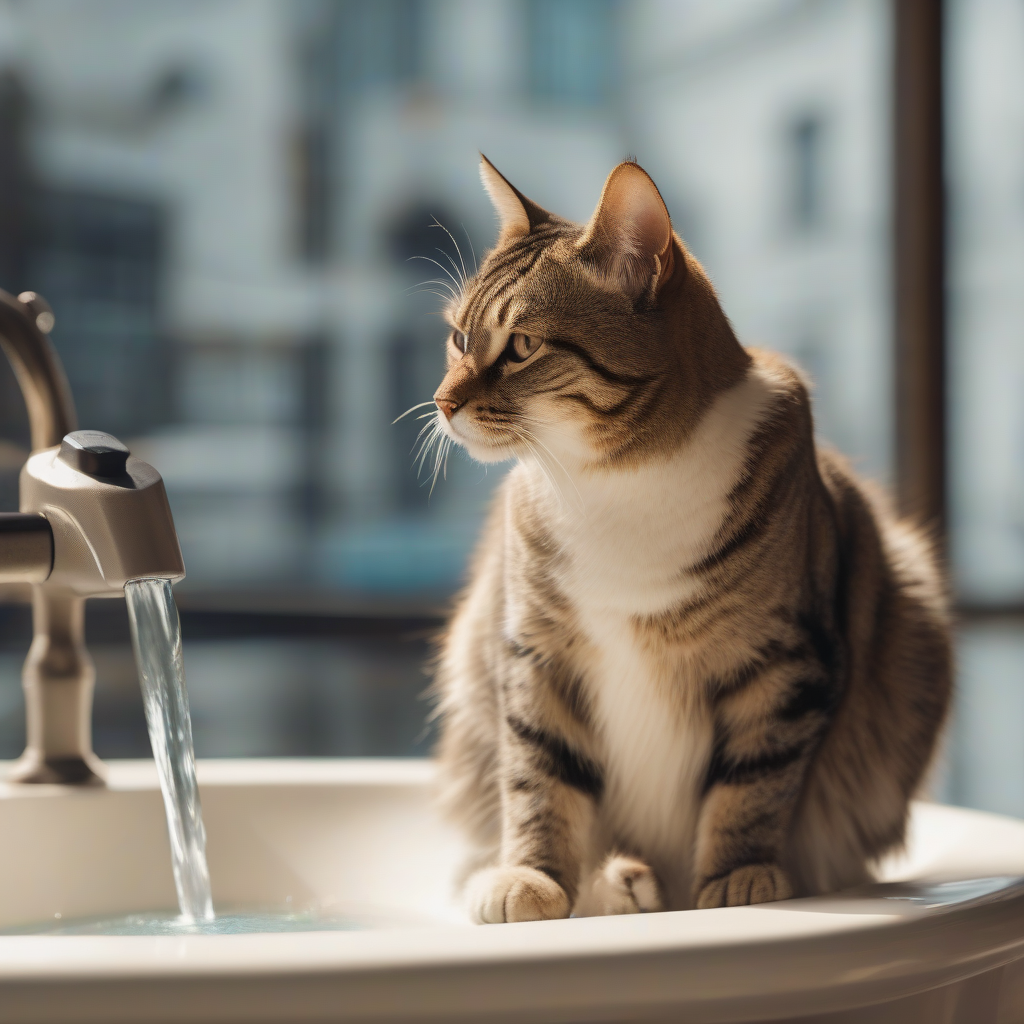
Cats naturally tend to drink little water, leading to highly concentrated urine. Insufficient water intake allows toxic substances and minerals in the urine to irritate the bladder wall for longer periods. This biochemical state compromises the integrity of the bladder lining and initiates the inflammatory cycle. Concentrated urine also increases the risk of crystal and stone formation. This is particularly noticeable in cats fed dry food. Therefore, increasing water intake is a critical step in preventive medicine.
The arrangements in your cat's living space and the stability of its daily routine are vital for its neurobiological health. Environmental factors such as a sufficient number of properly placed litter boxes, cleanliness, and the location of food and water bowls help the cat feel secure. Stress factors like insufficient litter boxes, lack of hygiene, or competition with other pets can negatively affect the cat's urination habits and, consequently, bladder health. To delve deeper into the effects of environmental factors on your cat's psychology, you can read the article Your Cat's 'Hidden Scent Mazes': 5 Neurobiological Effects of Invisible Pheromone Signals in the Home Environment and Scientific Design Secrets to Trigger Calmness!.
To combat your cat's 'secret bladder rebels,' adopting a holistic and scientific approach is essential. The goal is not merely to treat symptoms but also to eliminate the underlying neurometabolic triggers.
Reducing your cat's stress levels is the cornerstone of FLUTD management. Make the home environment more predictable and secure for your cat. This means providing ample climbing spaces, hiding spots, and toys. Products like pheromone sprays or diffusers can emit neurobiological signals that help calm your cat, proving effective in stress management. Maintaining consistent routines and avoiding sudden changes are also crucial.
Upon your veterinarian's recommendation, switching to specialized low-mineral, pH-balancing diet foods formulated for FLUTD-prone cats is vital. Additionally, implement various strategies to increase your cat's water intake: provide multiple fresh water bowls, experiment with different material bowls (ceramic, metal), use water fountains, and prefer wet food over dry food. This will help dilute the urine and reduce bladder irritation.
Consult a veterinarian as soon as you notice FLUTD symptoms in your cat. Early diagnosis is critical for determining the correct treatment protocol and preventing chronic conditions. Your veterinarian may recommend pain relievers, anti-inflammatory medications, or specific nutritional supplements based on your cat's condition. In some cases, anti-stress medications or supplements may also be included in the treatment.
Regularly observe your cat's urination habits, litter box usage, and general behavior. Urinating outside the litter box, spending long periods in the litter box, restlessness, or abdominal tenderness can be signs of FLUTD recurrence. Chronic pain and discomfort can lead to behavioral changes in cats; therefore, our article Your Cat's 'Silent Joint Fatigue': 5 Hidden Neurometabolic Signals Pointing to Chronic Pain and Lifesaving Scientific Solutions! can also help you understand its general health.
Feline Lower Urinary Tract Disease (FLUTD) is a condition caused by a combination of complex neurometabolic and environmental factors that trigger 'secret rebels' in your cat's bladder. Understanding these insidious triggers and taking scientifically-backed preventive measures is crucial for your cat to live a long and healthy life. Remember, your cat's health is possible with your careful observation and regular collaboration with your veterinarian. With a conscious approach, you can control these 'bladder rebels' and ensure your cat lives a comfortable life.
