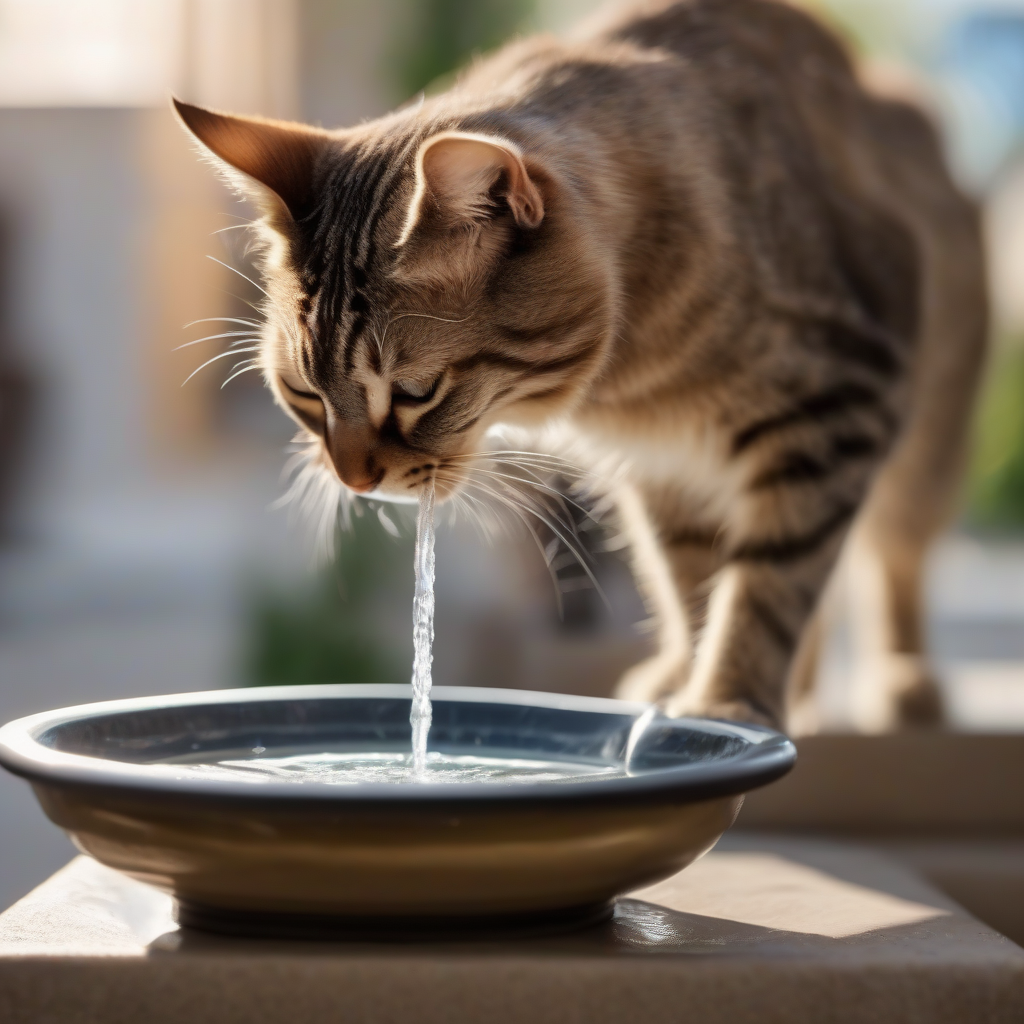
Discover the insidious neurobiological effects of chronic dehydration caused by dry food feeding on your cat's brain and overall health, along with scientific hydration strategies to combat this condition.


Discover the types of burns your dog can suffer, the 5 insidious neurophysiological effects these burns create in the brain and body, and lifesaving emergency intervention strategies in this comprehensive guide. We shed light on the dangers behind forgotten household accidents from a scientific perspective.

Discover the neurobiological signals of hidden stress your newly adopted cat experiences during adaptation to a new social environment. This article reveals 5 insidious signs of your cat's silent struggle and scientific strategies for peaceful, long-term harmony.

Your dog's anal sacs, located beneath the tail, can be hidden alarm bells often overlooked but profoundly affecting their quality of life. In this article, you will discover the 5 insidious neurobiological effects of anal sac problems on the brain and the lifesaving care secrets you need to know for your furry friend to live a peaceful life.
Cats, the elegant predators of our homes, are unique creatures evolved from desert climates, accustomed to surviving on the moisture obtained from their prey. Their ancestors, receiving about 70-80% of their water needs from the prey they consumed, did not require much external water supplementation. However, in modern pet life, especially with the widespread use of dry foods, cats can face an "insidious dehydration map." Chronic dehydration, a prolonged state of body water deficit, can profoundly affect not only your cat's kidneys or urinary tract but also its brain and neurobiological health. In this article, we will scientifically explore the 5 insidious neurobiological effects of chronic dry food-induced dehydration on the brain and lifesaving hydration strategies.
While dry foods are preferred by many cat owners due to their practicality and long shelf life, they typically contain only 5-10% moisture. Cats, due to their low thirst drive threshold, do not actively feel thirsty like dogs or humans. This is an adaptation from their genetic heritage; as predators, they met most of their water needs from the flesh of their prey. Therefore, a cat fed exclusively dry food is at risk of experiencing chronic dehydration if it does not drink enough water. This situation can lead to various health problems in the long run and particularly disrupt the delicate balance of the brain. The mystery of your cat's food texture is a critical factor not only for digestion but also for hydration levels.
The effects of chronic dehydration are not only physical but also involve complex neurobiological processes that profoundly impact your cat's mental and emotional well-being.
The hypothalamus is the brain's primary center for regulating water balance. In a dehydrated state, the hypothalamus increases the secretion of antidiuretic hormone (ADH), triggering water reabsorption from the kidneys. However, chronic dehydration creates continuous activation and stress in this system. This can lead to increased release of stress hormones like cortisol, which in the long run can amplify your cat's silent stress signals and result in general anxiety and behavioral problems.
Neurotransmitters in the brain are chemicals that transmit information between nerve cells. Water is vital for the synthesis, transport, and function of these neurotransmitters. Chronic dehydration can disrupt the balance of crucial neurotransmitters such as serotonin, dopamine, and GABA. These imbalances can cause fluctuations in your cat's mood, a decrease in energy levels, and even impairments in cognitive functions. Negative effects on learning and memory processes, in particular, may be observed.
Adequate water intake is essential for the optimal functioning of brain cells. Dehydration can lead to a temporary reduction in brain volume, negatively affecting cognitive functions. Your cat may exhibit attention deficits, reduced responses to environmental stimuli, a decline in problem-solving abilities, and even disorientation. This condition can accelerate cognitive decline, especially in older cats, and reduce their quality of life.
Emotion regulation centers like the amygdala are highly sensitive to changes in the brain's water and electrolyte balance. Chronic dehydration can affect activity in these regions, making your cat more easily irritable, more aggressive, or more withdrawn. It is believed that water loss can increase inflammatory responses in the brain, which can trigger emotional dysregulation. This can have significant negative impacts on your cat's overall well-being and social interactions.
Electrolytes such as sodium, potassium, and chloride are critically important for nerve cells to transmit electrical signals. Dehydration can alter the concentration of these electrolytes in the blood, leading to devastating effects on the nervous system. Hypernatremia (high sodium levels), in particular, can cause severe neurological symptoms, weakness, tremors, seizures, and even coma. This condition can also negatively impact your cat's overall metabolic rhythm and lead to an energy imbalance similar to a hidden carbohydrate shock.
Taking proactive measures to protect your cat from chronic dehydration and support its neurobiological health is crucial.
Including high-moisture wet foods in your cat's diet is one of the most effective ways. Wet foods contain 70-80% water and are the closest feeding method to your cat's natural prey diet. This ensures your cat receives adequate hydration through its diet, even with a low thirst threshold. Your cat's bowl secrets and food choices can serve as a guide for making the right decisions in this regard.
Cats prefer running water and clean, fresh water. Water fountains can attract your cat's attention by providing continuously fresh and moving water. Additionally, placing wide, shallow ceramic or stainless steel water bowls in different parts of the house, away from food bowls, can also increase water consumption. Some cats prefer wide bowls that do not touch their whiskers.
Cats may not like food and water bowls being side-by-side, as this instinctively creates a feeling that water sources are contaminated. Placing food and water bowls in separate rooms or different corners of the house can encourage water intake. Furthermore, diversifying wet food brands and flavors also keeps your cat's interest in food alive.
With your veterinarian's approval, you can provide additional moisture by adding small amounts of unsalted broth or special cat broths to wet food. Some cats enjoy playing with ice cubes dropped into their water bowls and then drinking the melted water. This provides both mental stimulation and increases hydration. Moreover, probiotics that support your cat's gut health also work more efficiently with adequate hydration.
Your cat's 'insidious dehydration map' is a significant challenge created by dry food in modern pet life. The neurobiological effects of chronic dehydration jeopardize not only your cat's physical health but also its mental acuity, mood, and overall well-being. By adopting a proactive approach, including a wet food-heavy diet, optimized water sources, and creative hydration strategies, you can help your beloved companion lead a healthy, happy, and mentally active life. Remember, your cat's health begins with everything it eats and drinks.
