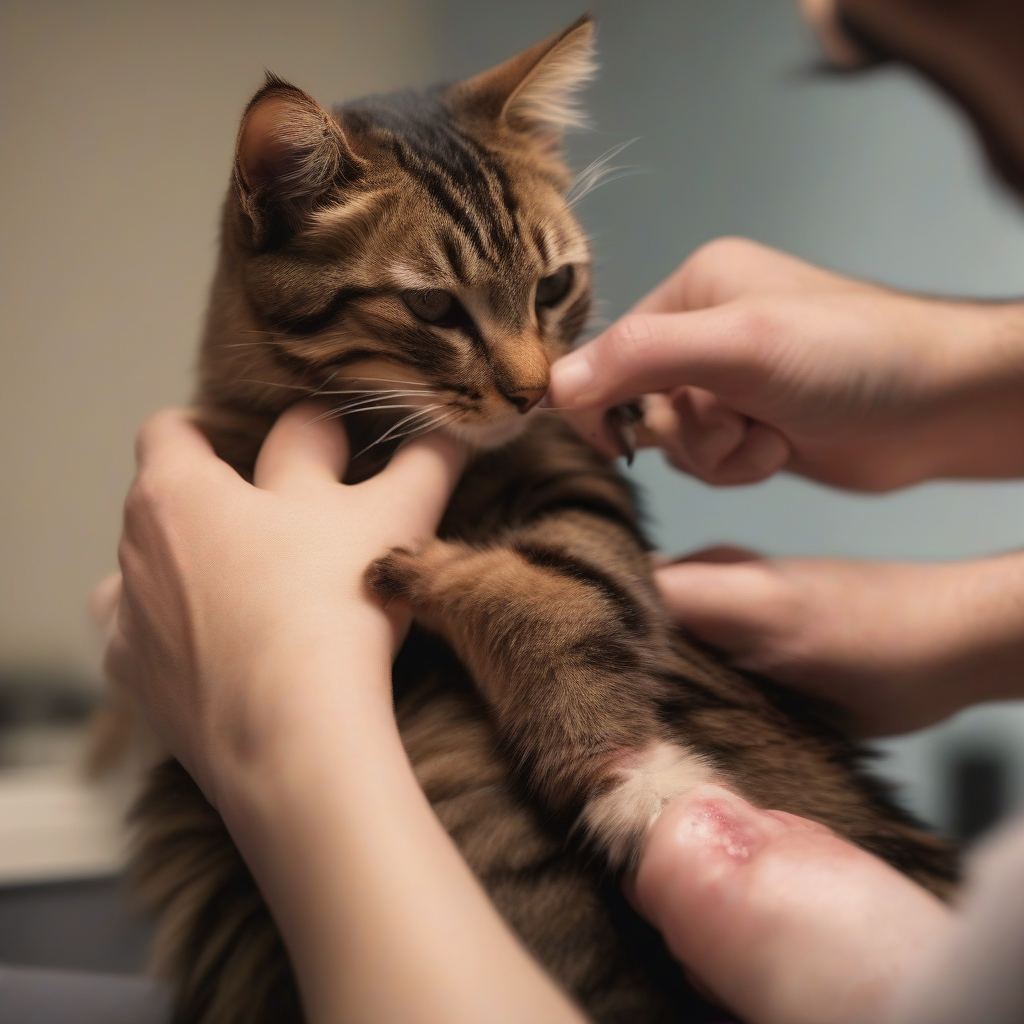
Burns in cats are much more than superficial skin damage; they represent a complex trauma that deeply affects the central nervous system and the body's entire physiological balance. In this article, you will discover the types of burns your cat may suffer, their insidious neurophysiological effects on the brain, and lifesaving emergency intervention codes with a scientific approach.


In this article, you will find comprehensive information on the insidious neurotoxic effects of lead poisoning on the bird's brain and lifesaving emergency intervention codes.

While cats possess a surprising ability to adapt to high-rise fall traumas, the insidious neurophysiological effects on their brain carry vital risks. In this article, we reveal 5 critical neurobiological effects your cat may experience after a fall and the lifesaving emergency intervention codes with scientific secrets.

In this article, you will discover how your rabbit copes with unexpected situations and its neurocognitive responses to non-routine events. Learn scientific secrets to enhance mental flexibility and manage stress.
One of the most devastating and urgent situations we can encounter in the lives of our beloved pets is undoubtedly burns. A burn trauma in a cat is not limited to superficial skin damage; it triggers complex neurophysiological chain reactions that deeply affect the central nervous system, the body's most intricate system, posing a life-threatening risk. A burn suffered by your cat means they are facing a complex physiological and neurological crisis that we can call a 'Firestorm'. In this critical moment, correct and rapid intervention directly impacts your cat's quality of life and chances of survival. So, what insidious effects do burns in a cat create in the brain, and how can we formulate a lifesaving action plan against this dangerous situation?
In this comprehensive guide, starting with the different types of burns seen in cats, we will delve into the 5 insidious neurophysiological effects of this trauma on the brain and present emergency intervention codes that every cat owner should know, from a scientific perspective.
Cats, by their curious nature, are susceptible to many potential hazards in the home. Burns are among these dangers and can occur in various ways:
Burn degrees are classified as first, second, and third degree, similar to humans, and this determines the severity of the brain's response.
Burn trauma in a cat not only disrupts the physical integrity of the skin but also triggers complex and destructive neurophysiological processes in the brain. Here are the main insidious effects:
The pain a cat experiences during and after a burn is one of the body's most potent stress factors. Nociceptors (pain receptors) in the skin are activated, sending intense signals to the spinal cord and brain. This leads to an excessive release of stress hormones like cortisol and adrenaline, as well as pain-related neurotransmitters such as substance P and glutamate, in the brain. This neurotransmitter overload can cause inflammation and oxidative stress in the brain, damaging nerve cells and negatively impacting the cat's general perception and behavior. Understanding Your Cat's Brain's 'Emotion Receptors': 5 Mysterious Neurobiological Secrets to Sensing Your Owner's Mood and Scientific Ways to Build a Deep Bond! can help in recognizing distress signals.
Burns, especially large-surface and deep burns, cause significant fluid and electrolyte loss from the body. This leads to a decrease in blood volume (hypovolemia) and subsequent hypovolemic shock. The body's response to this condition involves a series of physiological adaptations that also affect the central nervous system. Heart rate increases, blood vessels constrict, and the body attempts to prioritize blood flow to the brain. However, as shock progresses, the oxygen and nutrient supply to the brain becomes insufficient. This oxygen deprivation impairs the function of brain cells, leading to loss of consciousness and even permanent brain damage. Your cat exhibiting Your Cat's 'Silent Shock' Alarm: The Body's 5 Hidden Neurobiological Defense Mechanisms and Lifesaving Emergency Intervention Codes! is an unavoidable consequence in this critical situation.
Burn trauma triggers a strong systemic inflammatory response in the body. Inflammatory mediators (cytokines, chemokines) are released into the bloodstream and can cross the blood-brain barrier to reach the brain. This causes neuro-inflammation, which can lead to nerve cell damage, impaired cognitive functions, and long-term behavioral problems. Pain, stress, and conditions like Your Cat's Hidden 'Blood Loss Alarm': 5 Neurobiological Signals Crucial in Emergencies and Lifesaving Intervention Codes! in your cat also trigger this systemic inflammation.
The skin is the body's largest organ and a key component of thermoregulation. In large-surface burns, the skin barrier is damaged, causing the body to lose heat. This can lead to hypothermia (a dangerously low body temperature). The brain, specifically the hypothalamus region that regulates body temperature, responds to this dysfunction by overworking, further straining neurological functions. Hypothermia slows metabolic rate, affects blood clotting, and further reduces blood flow to the brain, posing a life threat.
Burn trauma in cats not only causes acute physiological effects but can also lead to long-term psychological and behavioral consequences. Severe pain, hospitalization, and treatment procedures can trigger symptoms of post-traumatic stress in cats. This can affect the connections between the amygdala (the region associated with fear and stress) and the prefrontal cortex (the region associated with decision-making and learning) in the brain. As a result, your cat may exhibit behavioral changes such as fear, anxiety, aggression, hiding, or Your Cat's 'Silent Touch Rejection': 5 Neurocognitive Barriers Turning Vet Visits into a Nightmare and Scientific Training Secrets for Smooth Appointments!. These changes make vet visits and home care processes even more challenging.
Remaining calm and acting quickly when you notice a burn on your cat is vital. Here are the emergency intervention codes you should follow:
Here are some simple but effective measures you can take at home to minimize your cat's risk of burns:
Coping with burn trauma in your cat is a challenging process for both you and your pet. However, by following the scientific information and emergency intervention codes provided in this article, you can significantly increase your cat's chances of survival and recovery in these critical moments. Remember, in the slightest doubt, seeking veterinary attention without delay is always the best approach.
