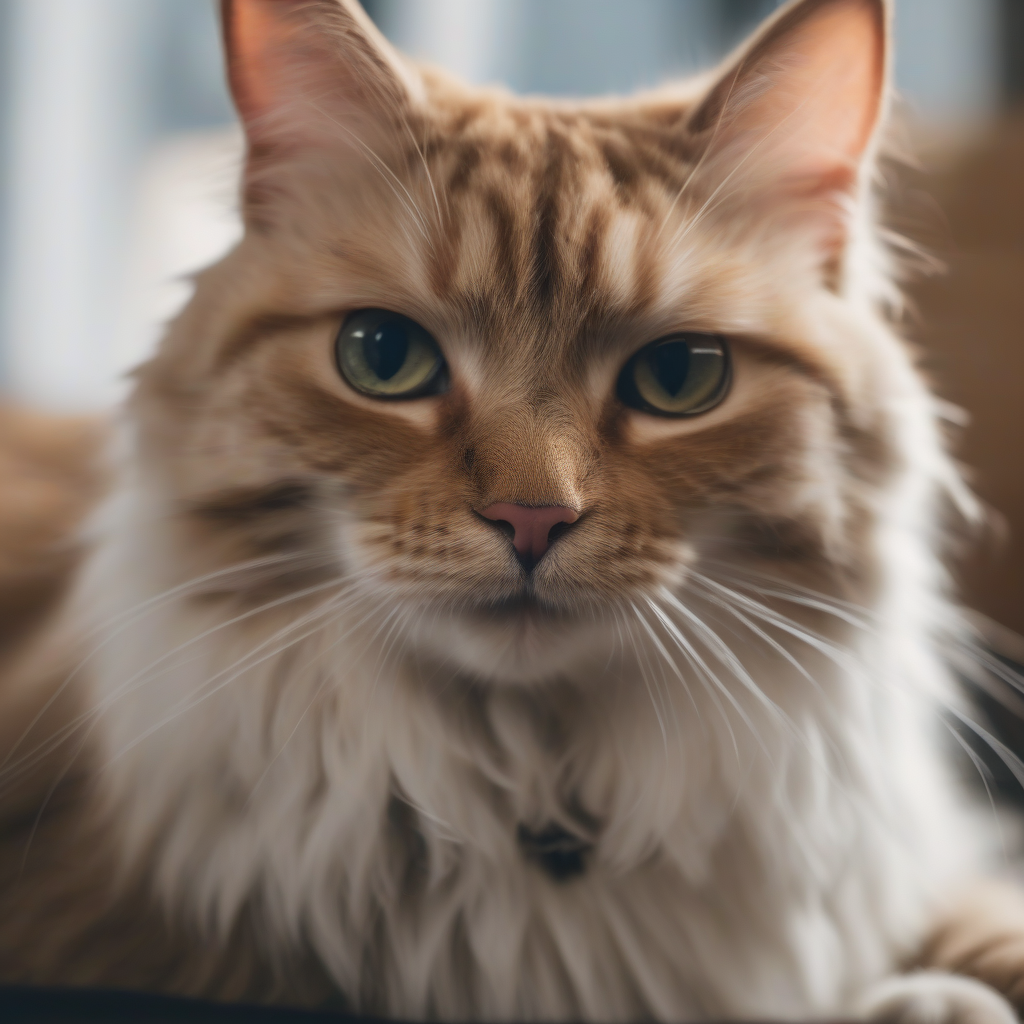
Observing non-seasonal fur loss in your cat? This article reveals 5 insidious causes that jeopardize fur health and scientific secrets for effective care.


Discover the types of burns your dog can suffer, the 5 insidious neurophysiological effects these burns create in the brain and body, and lifesaving emergency intervention strategies in this comprehensive guide. We shed light on the dangers behind forgotten household accidents from a scientific perspective.

Discover the neurobiological signals of hidden stress your newly adopted cat experiences during adaptation to a new social environment. This article reveals 5 insidious signs of your cat's silent struggle and scientific strategies for peaceful, long-term harmony.

Your dog's anal sacs, located beneath the tail, can be hidden alarm bells often overlooked but profoundly affecting their quality of life. In this article, you will discover the 5 insidious neurobiological effects of anal sac problems on the brain and the lifesaving care secrets you need to know for your furry friend to live a peaceful life.
Your cat's lustrous and full fur is a reflection of its overall health and happiness. However, sometimes we encounter sudden and excessive shedding unrelated to seasonal changes. This can be a cause for concern for both you and your cat. So, what could be lurking behind these 'hidden fur loss' traps? Scientific research sheds light on 5 insidious reasons for non-seasonal shedding and scientifically proven ways to manage these issues.
Cats are sensitive creatures and can react excessively to changes in their environment. A sudden move, the arrival of a new pet, changes in routine, or even an insufficiently enriched living space can cause your cat to become stressed. Stress disrupts your cat's hormonal balance, leading to increased cortisol levels. This triggers a domino effect that causes hair follicles to enter a resting phase and subsequently shed. This situation also negatively impacts your cat's overall happiness and health.
Scientific studies show that chronic stress can trigger inflammatory processes in the cat's body. This inflammation can damage hair follicles, exacerbating non-seasonal hair loss.
Your cat's food bowl not only provides satiety but also offers essential nutrients critical for fur health. Inadequate or unbalanced nutrition can lead to deficiencies in key components that build and maintain fur structure, such as protein, omega-3 and omega-6 fatty acids, zinc, and B vitamins. These deficiencies can make fur weak, brittle, and prone to shedding. Monitoring your cat's 'Secret Gut Signals' is important to understand how well their digestive system absorbs nutrients.
High-quality protein, in particular, is essential for the healthy growth of your cat's hair follicles. In its absence, the hair growth cycle is disrupted, and shedding increases. The 'Genius Brain' nutrients feeding your cat also play a critical role in fur health.
Food allergies and environmental sensitivities are common issues in cats, often leading to skin problems, itching, and consequently, fur loss. Common allergens like dairy, wheat, corn, and soy, as well as environmental factors such as pollen, dust mites, or mold, can trigger your cat's immune system, causing inflammatory reactions. These reactions can lead to redness, irritation, and excessive itching on the skin, prompting your cat to pull out fur or increasing shedding. It's important to be aware of your cat's 'Hidden Food Rebels'.
These allergic reactions weaken the cat's skin barrier, making it more vulnerable to infections and exacerbating fur loss.
Internal and external parasites can have a devastating impact on your cat's fur health. External parasites like fleas, ticks, and mites can cause severe itching, irritation, and subsequent fur loss on your cat's skin. Sensitivity to flea bites (flea allergy dermatitis) is one of the most common causes of fur loss. Internal parasites can hinder nutrient absorption, reducing overall health and thus fur quality. This weakens your cat's 'Fur Shield'.
Itching caused by parasites leads to constant scratching and biting, which damages hair follicles and causes localized hair loss.
In some cases, non-seasonal fur loss can be a symptom of underlying serious medical conditions. Conditions such as thyroid problems (hypothyroidism or hyperthyroidism), Cushing's disease, autoimmune diseases, or fungal infections (ringworm) can cause fur loss. These diseases affect your cat's hormonal balance or immune system, disrupting the functioning of hair follicles. It is important not to ignore your cat's 'Secret Organ Exhaustion' alarm.
These medical conditions can compromise your cat's overall health, preventing adequate nutrients and oxygen from reaching the hair follicles, which leads to abnormal fur loss.
Your cat's shiny and healthy fur is a reflection of its happiness and vitality. By recognizing the 'hidden traps' mentioned above and implementing the correct care strategies, you can maintain your cat's fur health for many years. Remember, your cat's health and well-being should be your top priority.
