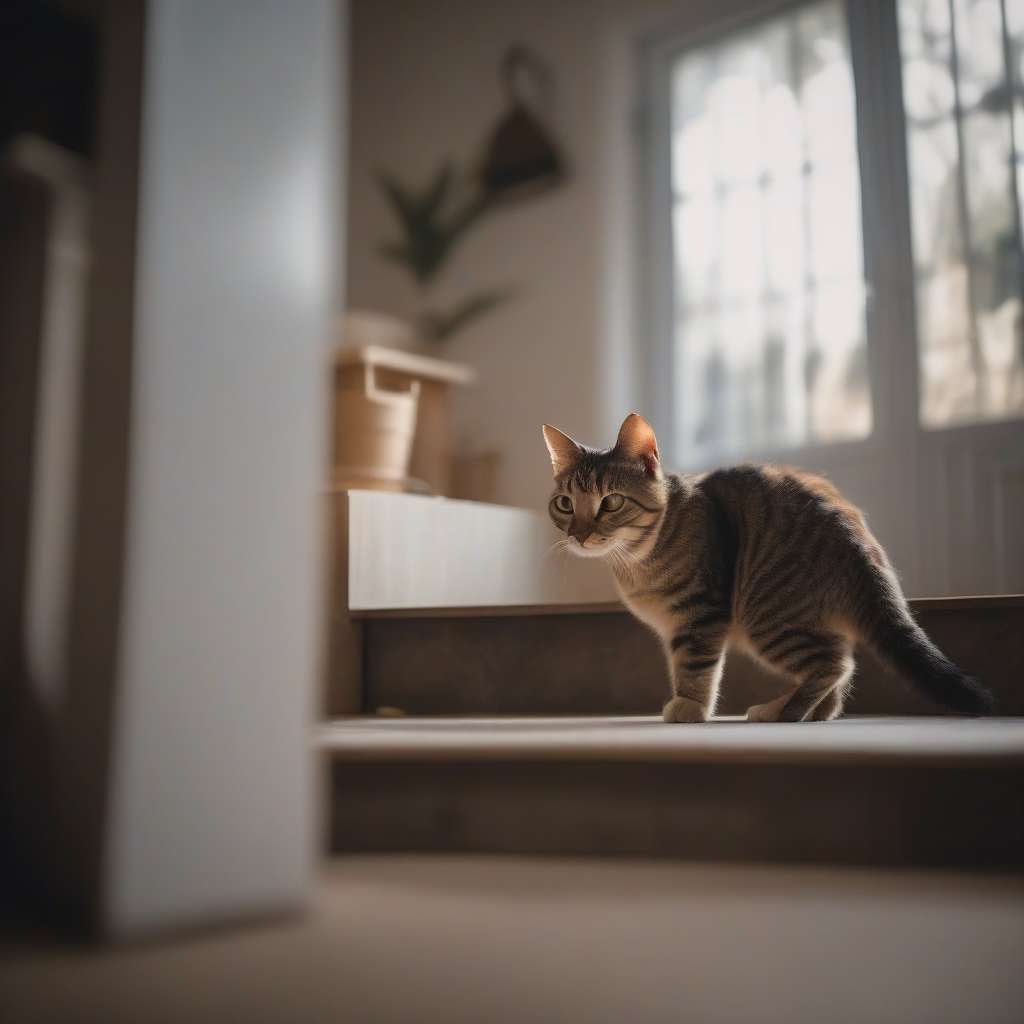
Discover your cat's hidden 'escape zones' at home and their unknown effects on safety and stress. Learn scientific design secrets to eliminate stress.


Discover the types of burns your dog can suffer, the 5 insidious neurophysiological effects these burns create in the brain and body, and lifesaving emergency intervention strategies in this comprehensive guide. We shed light on the dangers behind forgotten household accidents from a scientific perspective.
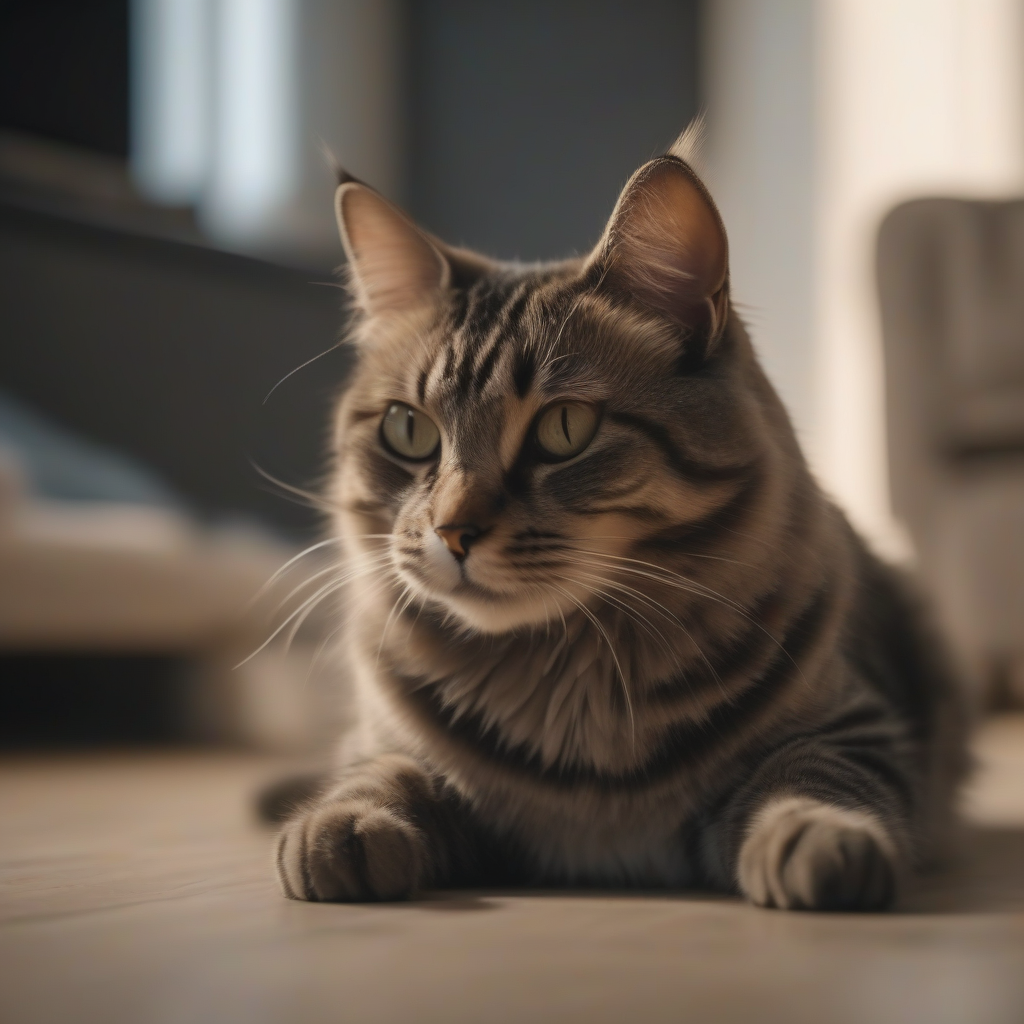
Discover the neurobiological signals of hidden stress your newly adopted cat experiences during adaptation to a new social environment. This article reveals 5 insidious signs of your cat's silent struggle and scientific strategies for peaceful, long-term harmony.
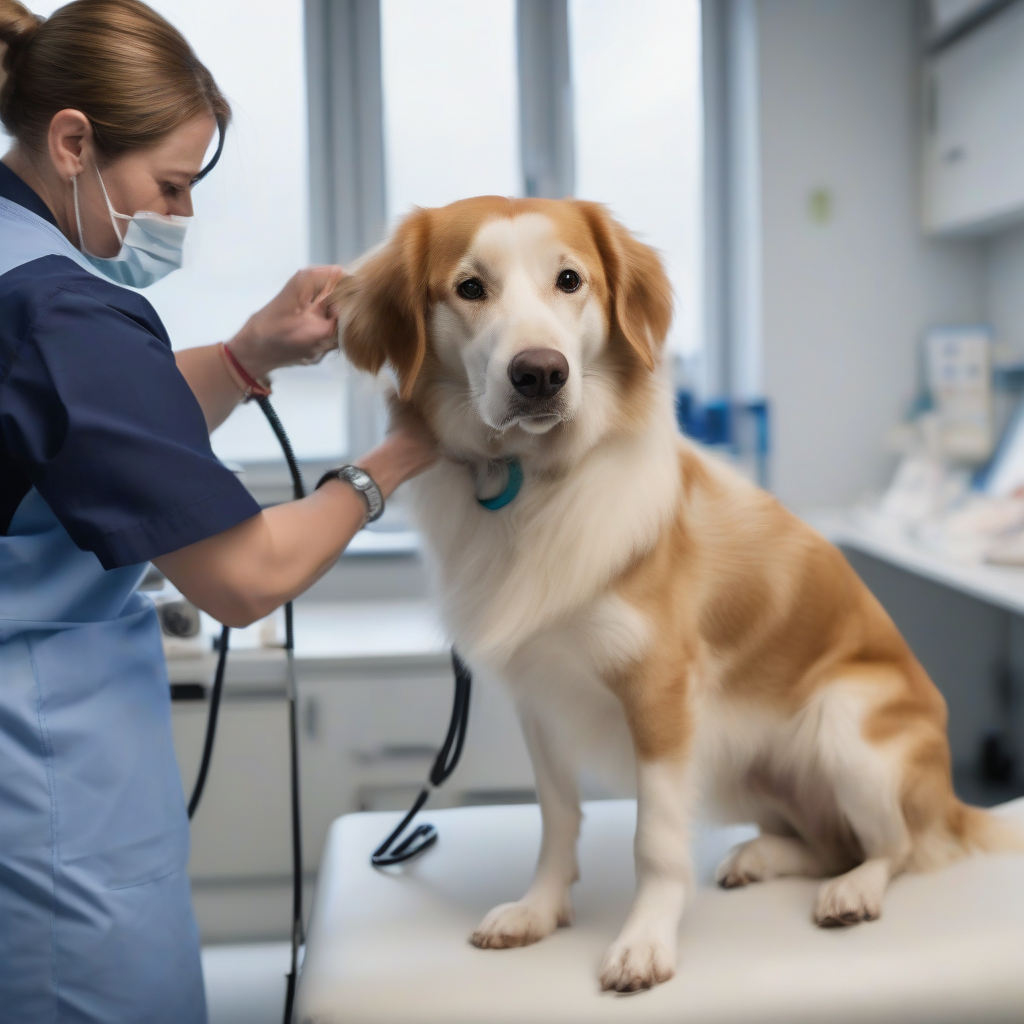
Your dog's anal sacs, located beneath the tail, can be hidden alarm bells often overlooked but profoundly affecting their quality of life. In this article, you will discover the 5 insidious neurobiological effects of anal sac problems on the brain and the lifesaving care secrets you need to know for your furry friend to live a peaceful life.
Cats, due to their survival instincts and complex neurobiological makeup, require specific areas in their environment to feel safe and secure. These areas can manifest as 'hidden escape zones' that may escape the owner's notice or are sometimes not consciously designed. These zones can profoundly impact your cat's overall well-being, stress levels, and even physical health. So, what are these hidden zones, and how can we provide them with a safe and peaceful environment?
Cats love to climb to high places due to their predatory instincts. This allows them to survey their surroundings and escape from threats. Shelves, the tops of cabinets, and the highest levels of cat trees are ideal 'escape zones' for your cat. However, factors such as the accessibility, stability, and distance from the ground of these areas can pose potential safety threats. Overly high, unstable, or narrow spaces can increase the risk of your cat falling, leading to sudden trauma. This can negatively impact your cat's hidden mind map and undermine their overall sense of security.
Solution: Ensure high areas are stable and have adequate access and exit points. Provide safe access with cat stairs or ramps. Create stable platforms and soft landing areas to reduce the risk of falls.
Boxes, inside cabinets, under beds, or in narrow corners are havens where cats feel secure. These areas can help them detach from external stimuli and calm down. However, if these spaces are restricted in their passages, difficult to exit, or create a feeling of being trapped, they can become 'traps' rather than 'escape zones.' In a moment of sudden fear or emergency, being unable to exit these areas can cause severe stress and panic attacks for your cat. This can create situations that may be linked to your cat's secret 'breathing traps'.
Solution: Ensure that frequently used narrow spaces have multiple exit points. For example, leave both sides of a box open, or keep cabinet doors slightly ajar. Make sure these areas are clean and comfortable, allowing your cat to choose them voluntarily.
The predatory instinct inherent in cats directs them to hide and stalk. The back of long curtains, under sofas, or even among large plants can be potential areas where your cat can assume the role of a 'secret hunter.' These areas help your cat satisfy its instincts and become mentally stimulated. However, if these areas are not consistently accessible or if your cat does not perceive them as 'safe,' it can become a source of stress. Your cat's secret hunter brain may experience unease due to such unfulfilled instincts.
Solution: Create hiding spaces of various sizes and shapes for your cat. These safe areas, which offer visibility and are easy to exit, help satisfy their predatory instincts while ensuring they feel secure.
Cats seek warm and comfortable areas to maintain their body temperature. Sunny window sills, proximity to radiators, soft blankets, or specially designed heated cat beds are an important part of their 'escape zones.' These areas aim to provide physical comfort and thermoregulation for the cat. However, excessively hot or cold spots can disrupt sleep quality and even lead to long-term health problems. Overheating is a condition that can be particularly sensitive for cats. This highlights the importance of correctly adjusting your cat's secret 'heat sources'.
Solution: Provide your cat with comfortable, accessible resting areas that remain at an ideal temperature year-round. Avoid overly hot environments and ensure there is always a place where they can cool down.
Cats can find visual clutter and sudden movements in the house disturbing. Therefore, areas like furniture corners, behind doors, or behind large plants that block the line of sight serve as 'invisible safety walls' for them. These areas allow cats to feel less exposed and reduce their stress. However, if these areas are insufficient, or if the cat constantly feels exposed, it can increase their general anxiety levels. Along with your cat's 'hidden scent mazes', these visual barriers form their map of security at home.
Solution: Create viewpoints in your home where your cat can hide and observe comfortably, while also being protected from disturbing stimuli. This indirectly strengthens your cat's 'trust map'.
Understanding and securing these hidden 'escape zones' for your cat's well-being will contribute to them living a happier, less stressed, and healthier life. Remember, seeing your cat's environment through their eyes will allow you to best meet their neurobiological needs.
