
In this article, you will find comprehensive protection strategies against toxic plants and household chemicals that may pose a threat to your pets during the Spring 2026 season. This guide provides vital information for pet owners with curious paws, helping you make your home environment safe.


Discover the neurobiological signals of hidden stress your newly adopted cat experiences during adaptation to a new social environment. This article reveals 5 insidious signs of your cat's silent struggle and scientific strategies for peaceful, long-term harmony.

Your dog's anal sacs, located beneath the tail, can be hidden alarm bells often overlooked but profoundly affecting their quality of life. In this article, you will discover the 5 insidious neurobiological effects of anal sac problems on the brain and the lifesaving care secrets you need to know for your furry friend to live a peaceful life.
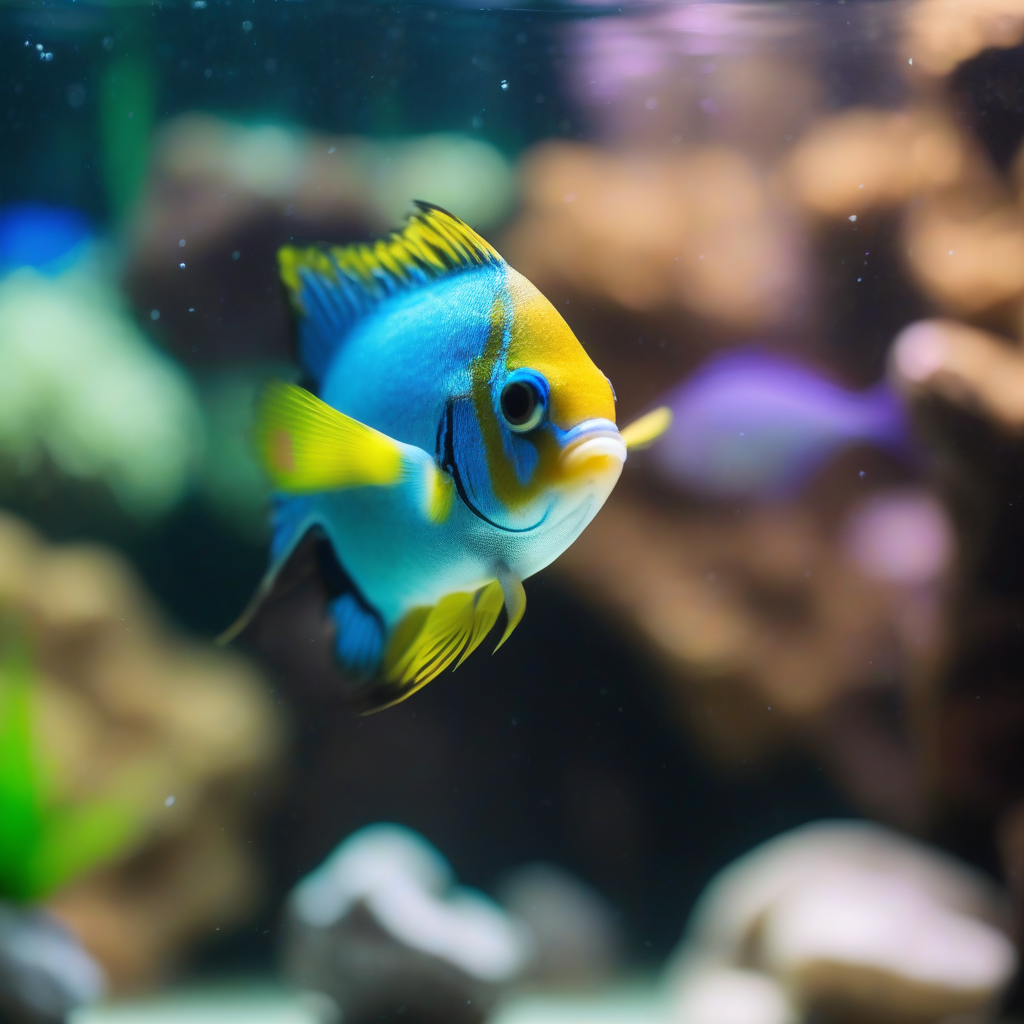
In this article, you will find comprehensive information on the insidious neurotoxic effects of heavy metal poisoning in aquarium fish, its symptoms, and lifesaving emergency intervention codes. This condition, which can arise from household water sources, improper equipment, or neglect, can severely threaten your fish's quality of life and lifespan.
As we enter March 2026, the awakening of nature brings new risks to our pets' living environments. Sunny days, increased outdoor activities, and the hustle of spring cleaning unfortunately come with some dangers. As pet owners, being aware of these 'invisible dangers' during this period is vital for the health and safety of our beloved companions. In this comprehensive guide, we will discuss common toxic plants and household chemicals encountered in spring, their potential effects on pets, and the protective measures to be taken.
Spring means renewal and spending more time outdoors for both us and our pets. However, this increased activity also raises certain risks.
Nature, awakening from its winter slumber, fills gardens and parks with colorful flowers. But among these beauties, there are many plants that can be toxic to our pets. Especially young or curious animals can face the risk of poisoning by chewing, sniffing, or eating newly sprouted plants. Cats and dogs are instinctively inclined to explore new scents, and this can lead them into direct contact with dangerous plants. This is a significant aspect of the risks emerging with spring's arrival and how to protect them.
Spring cleaning is a great way to freshen up our homes and get rid of accumulated winter grime. However, cleaning products, insecticides, fertilizers, and other household chemicals used can pose serious dangers to pets. These substances, in spray, liquid, or granular form, can easily be licked, inhaled, or spread on paws and ingested into the digestive system. Our guide to pet toxin defense and detoxification emphasizes the importance of being aware of such threats.
Plants that threaten our pets' health are usually found in gardens, parks, or as houseplants. Here are some to watch out for:
Symptoms of poisoning typically include vomiting, diarrhea, loss of appetite, lethargy, excessive drooling, tremors, seizures, or difficulty breathing. If you notice any of these symptoms, you should immediately consult a veterinarian.
Harmful household chemicals for pets are not limited to cleaning products. The following substances also require caution:
Being proactive is crucial to protecting our pets from these dangers.
Even with all precautions, accidents can happen. If you suspect your pet has ingested a toxic substance:
Remember that early intervention is critical for a successful outcome in poisoning cases. Boosting our pets' immune system and preparing for spring risks also provides general protection for such emergencies.
Ensuring your pets stay safe and healthy in spring is in your hands. By taking conscious steps and proactive measures, you can offer them a joyful and danger-free season.
