
In this article, you will find comprehensive information about understanding environmental toxins, protection strategies, and effective detoxification methods for your pets during spring 2026.


Discover the neurobiological signals of hidden stress your newly adopted cat experiences during adaptation to a new social environment. This article reveals 5 insidious signs of your cat's silent struggle and scientific strategies for peaceful, long-term harmony.

Your dog's anal sacs, located beneath the tail, can be hidden alarm bells often overlooked but profoundly affecting their quality of life. In this article, you will discover the 5 insidious neurobiological effects of anal sac problems on the brain and the lifesaving care secrets you need to know for your furry friend to live a peaceful life.
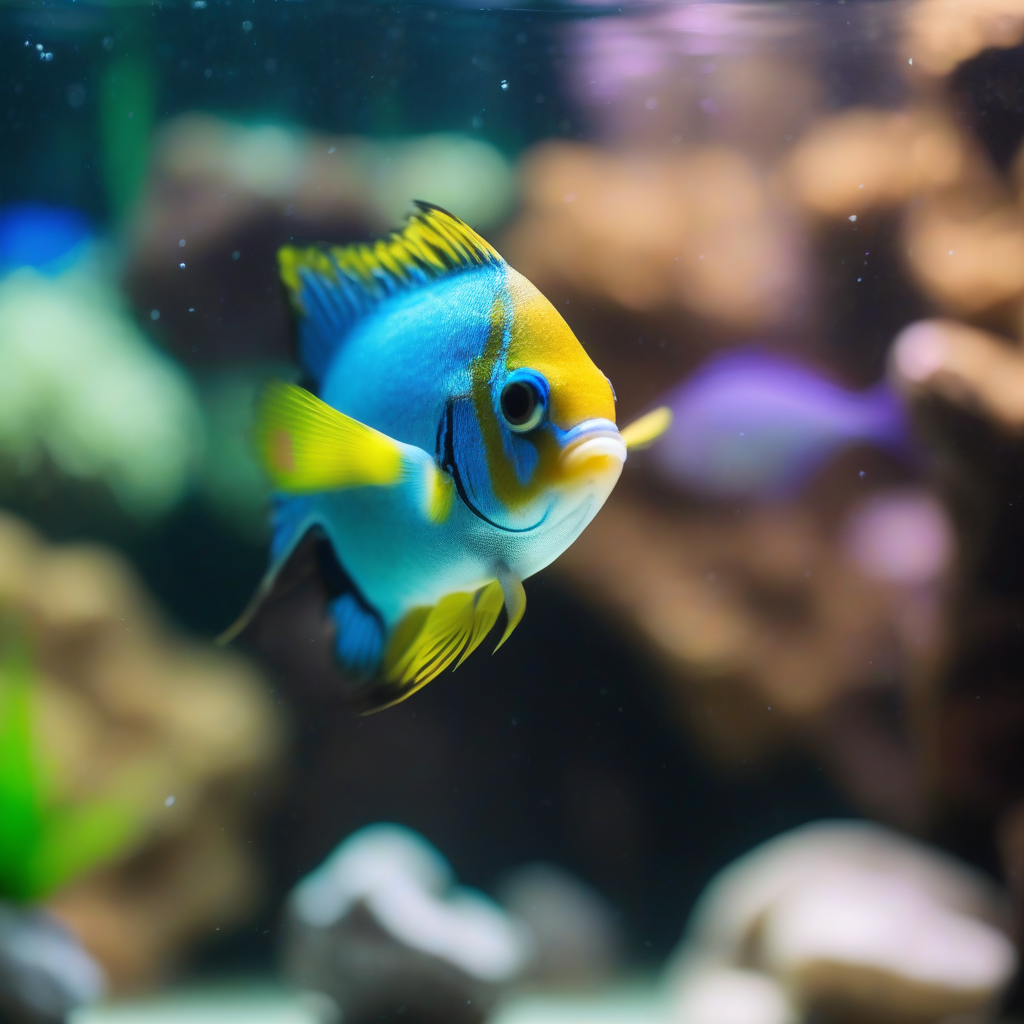
In this article, you will find comprehensive information on the insidious neurotoxic effects of heavy metal poisoning in aquarium fish, its symptoms, and lifesaving emergency intervention codes. This condition, which can arise from household water sources, improper equipment, or neglect, can severely threaten your fish's quality of life and lifespan.
The arrival of spring signifies nature's renewal and means more outdoor activities for our beloved pets. However, this vibrant period also brings a time when we need to be more vigilant against environmental toxins that can harm them. As of March 2026, new trends and approaches are gaining prominence in both pet health and environmental awareness. In this guide, we will delve into how we can prepare for the hidden dangers our pets might encounter during the spring months and how we can lead them to a healthier life.
Spring months, with blooming gardens, lush park grass, and generally warmer weather, encourage our pets to spend more time outdoors. However, these pleasant environments can be filled with toxins we are unaware of:
Our pets' bodies have natural defense mechanisms against these harmful substances. However, the effectiveness of these mechanisms depends on the animal's overall health, age, and the type and concentration of toxins they are exposed to. Strengthening the immune system, especially during spring, helps them become more resistant to toxins.
The most effective way to protect against toxins is to minimize exposure. Here are ways to create a safer environment for your pets during spring:
Spring months can also be viewed as a detoxification period. A gentle spring detox for our pets can improve their overall health. However, this process should always be undertaken under the guidance of your veterinarian.
Spring 2026 is a season of adventure and potential risks for our pets. Being aware of environmental toxins, implementing the right protection strategies, and adopting gentle detoxification methods under veterinary guidance will ensure they have a healthier, more energetic, and happier spring. Remember, proactive health strategies are the key to your pets living a long and high-quality life. Our article Advanced Diagnostics and Early Disease Detection in Pets: Proactive Health Strategies for Spring 2026 offers additional information to support this proactive approach.
