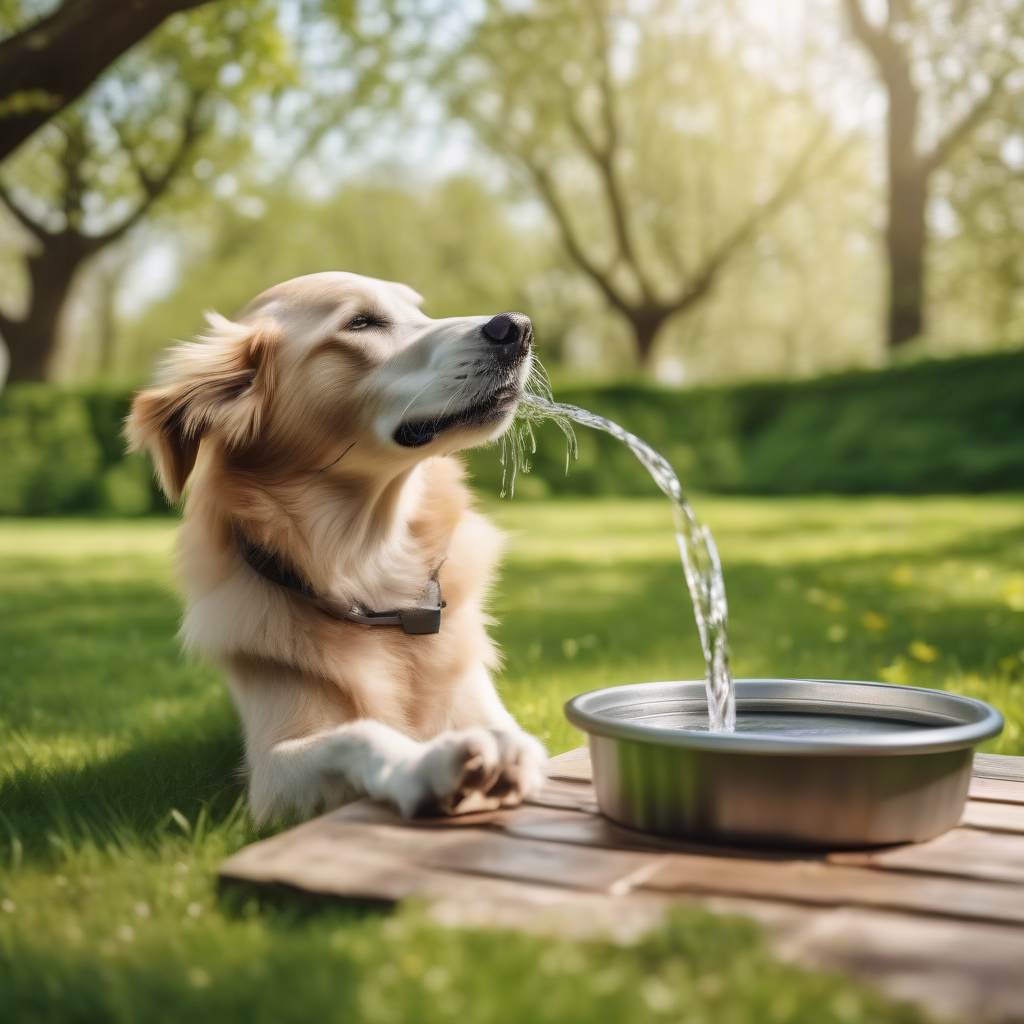
In this article, you will find comprehensive information on how to protect your pets from waterborne diseases and parasites, their symptoms, and preventive strategies in March 2026.


Discover the neurobiological signals of hidden stress your newly adopted cat experiences during adaptation to a new social environment. This article reveals 5 insidious signs of your cat's silent struggle and scientific strategies for peaceful, long-term harmony.

Your dog's anal sacs, located beneath the tail, can be hidden alarm bells often overlooked but profoundly affecting their quality of life. In this article, you will discover the 5 insidious neurobiological effects of anal sac problems on the brain and the lifesaving care secrets you need to know for your furry friend to live a peaceful life.
In this article, you will find comprehensive information on the insidious neurotoxic effects of heavy metal poisoning in aquarium fish, its symptoms, and lifesaving emergency intervention codes. This condition, which can arise from household water sources, improper equipment, or neglect, can severely threaten your fish's quality of life and lifespan.
As we enter March 2026, the arrival of spring awakens nature, bringing an increase in outdoor activities for our beloved pets. After long winter days, running in parks, exploring nature, or playing in the garden are wonderful energy sources for both dogs and cats. However, with increased rainfall, melting snow, and flourishing vegetation, these joyful moments can also bring some invisible threats: waterborne diseases and parasites.
As a veterinary content strategist, our goal is to inform pet owners about these potential risks and empower them to take proactive steps to protect their companions' health. In this comprehensive guide, we will delve into common spring waterborne pathogens, their symptoms, prevention methods, and treatment options.
Major waterborne diseases affecting our pets include bacterial infections and protozoan parasites. Additionally, toxic algae that can emerge in spring pose a serious risk.
Leptospirosis is a severe bacterial disease typically spread through exposure to water and soil contaminated with the urine of infected animals. Dogs can become infected by wading in ponds, standing water, or muddy areas contaminated by the urine of infected rodents and other wildlife. This disease poses a serious and Rising Zoonotic Risks to humans as well, requiring immediate veterinary intervention.
Giardia and Cryptosporidium are microscopic protozoa transmitted through water sources contaminated with the feces of infected animals. Dogs and cats can contract these parasites by drinking contaminated water or licking contaminated surfaces. They can cause severe digestive problems, especially in young or immunocompromised animals. The risk of these parasites spreading increases in spring with abundant waterways and natural water sources.
With the mild days and increased sunlight of spring, blue-green algae (cyanobacteria) can rapidly proliferate in stagnant ponds, lakes, or rivers. These algae contain toxic compounds that can produce neurotoxins or hepatotoxins. Pets can suffer severe poisoning if they drink or come into contact with these waters. Symptoms of poisoning appear quickly and can be fatal.
Water sources that pose a potential risk to your pets include:
If you notice one or more of the following symptoms in your pet, consult your veterinarian immediately:
There are proactive steps you can take to protect your pets from waterborne diseases in the spring months:
Ensure your pet always has access to clean, fresh water. Carry your own water and bowl when outdoors to prevent them from drinking from suspicious water sources.
Keep your pet away from ponds, standing puddles, and muddy areas along riverbanks. This is one of the most important steps for Spring Outdoor Safety for Pets. Absolutely do not allow them to approach green, foamy waters where algae are dense.
Talk to your veterinarian to determine if the Leptospirosis vaccine is appropriate for your pet. Additionally, do not neglect regular internal and external parasite control programs. This will also provide protection against parasites like Giardia.
After returning from outdoors with your pet, clean their paws and body. If they have played in muddy or suspicious waters, wash their paws thoroughly. This prevents pathogens from being carried into the home and spreading.
If you suspect your pet has a waterborne illness, contact your veterinarian without delay. Early diagnosis and treatment positively affect the course of the disease. Your veterinarian will use various advanced diagnostics and early disease detection methods, such as fecal analysis, blood tests, or urine tests, to make an accurate diagnosis and implement an appropriate treatment plan. Treatment typically includes antibiotics, antiparasitic medications, and supportive care.
Spring 2026 offers opportunities to enjoy nature with our pets, but it also brings some risks that require our attention. Waterborne diseases and parasites are serious threats that should not be overlooked. By acting consciously, taking preventive measures, and promptly contacting your veterinarian if any symptoms arise, you can ensure your pet has a healthy and happy spring. Remember, preventive medicine is the key to a happy and long life.
