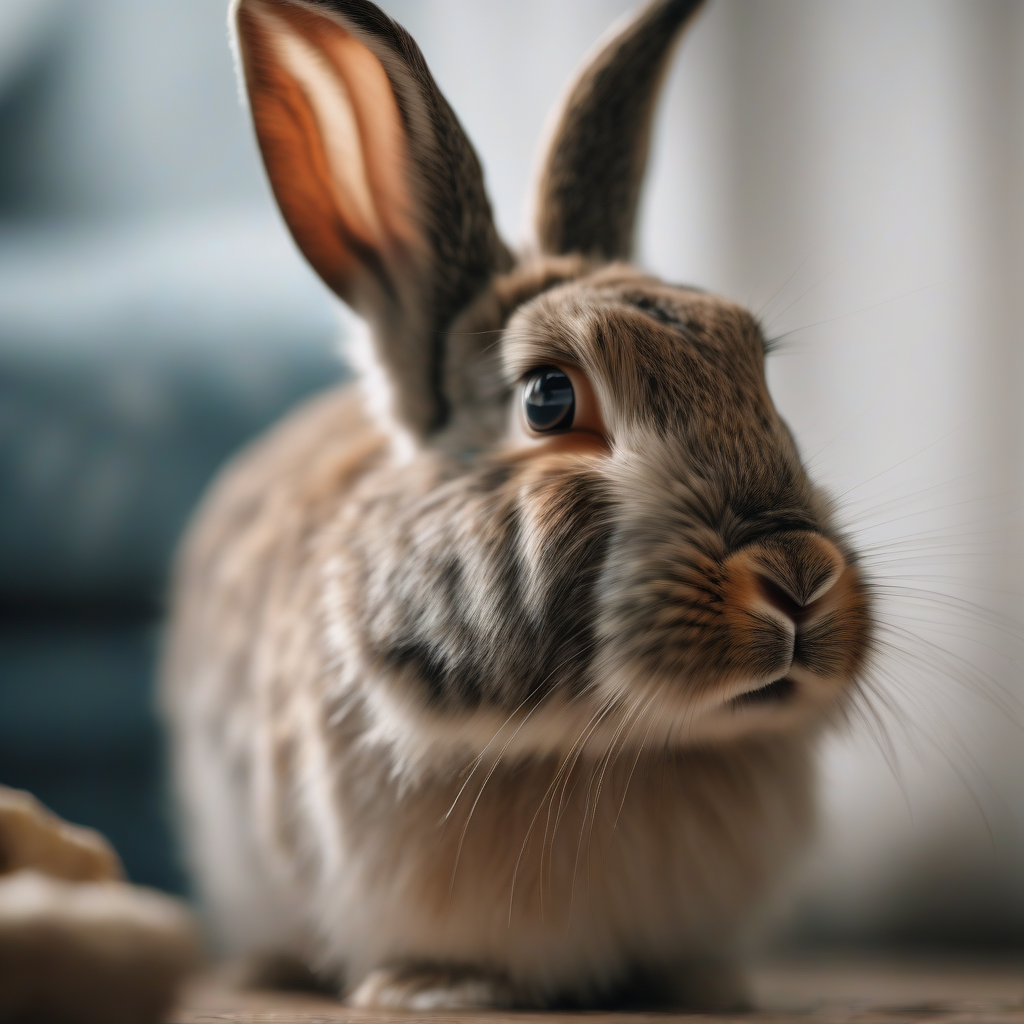
Discover the hidden neurobiological factors triggering sudden stops in your rabbit's digestive system and the lifesaving scientific interventions for these emergencies.

In this article, you will find comprehensive information about the insidious neurobiological effects of artificial colorings, preservatives, and flavors found in commercial bird feeds on your bird's brain health and mental vitality. We explore scientific nutritional secrets to combat these hidden dangers, shedding light on a wide spectrum of effects from behavioral changes to cognitive decline.

In this article, you can discover the scientific secrets to understanding your cat's undesirable habits, deciphering the neurocognitive mechanisms in their brain, and establishing lasting new routines.

Discover the types of burns your dog can suffer, the 5 insidious neurophysiological effects these burns create in the brain and body, and lifesaving emergency intervention strategies in this comprehensive guide. We shed light on the dangers behind forgotten household accidents from a scientific perspective.
Rabbits are known for their sensitive digestive systems, and even minor disruptions can lead to serious health issues. In particular, 'GI stasis,' where the digestive system slows down or stops completely, is a life-threatening condition for our beloved pets. However, behind these sudden stops lie hidden neurobiological triggers that are often overlooked. In this article, we will delve into 5 critical neurobiological factors that trigger these sudden digestive stoppages in your rabbit and the scientific solutions to be applied in such situations.
A rabbit's digestive system is governed by a complex network of nerves and hormonal balance. When this delicate balance is disrupted, the digestive process can halt. Here are 5 hidden neurobiological triggers that can cause this stoppage:
Stress is one of the biggest enemies of a rabbit's digestive system. Sudden noises, new environments, improper socialization, or veterinary visits can activate the autonomic nervous system, suppressing intestinal movements (motility). This creates a 'neuro-motility trap,' preventing the progression of digestive contents. Prolonged or severe stress increases the risk of GI stasis.
Related Articles:
Sudden changes in a rabbit's diet or deficiencies in certain nutrients can disrupt the digestive system's neural response. For example, a lack of fiber cannot provide the necessary mechanical stimulus for the intestines to function properly. Similarly, the deficiency of specific vitamins or minerals can affect nerve transmission and muscle contractions, slowing digestion. Particularly, the inability of certain 'Hidden Food Locks' to be digested or their adverse effects can lead to this condition.
Related Articles:
Rabbits tend to hide their pain. When they feel internal discomfort or pain, it can create a 'fear map' in their brains, reducing their desire to move. Mild pains at the onset of GI stasis, in particular, make the rabbit more lethargic, further slowing the progression of digestive contents. This leads to a vicious cycle. A sudden feeling of immobility can trigger a similar neurobiological response to 'Silent Fracture' pain.
Related Articles:
High levels of stress hormones like cortisol in rabbits or hormonal imbalances, such as thyroid issues, directly affect the 'neuromuscular synchronization' of the digestive system. These hormones regulate the speed and coordination of contractions in the intestinal wall muscles. An imbalance can disrupt this coordination, halting the forward movement of digestive contents.
Rabbits are less adept than humans at regulating their body temperature. Extreme heat can trigger the 'Thermal Alarm' in their brains, leading to general lethargy and slowing of digestive activity. The body tends to shut down secondary processes like digestion to protect vital organs. Similarly, cold environments can also affect metabolism and slow digestion.
Related Articles:
If you notice signs of digestive system stoppage in your rabbit (e.g., loss of appetite, decreased or absent stool production, lethargy, bloating), seeking immediate veterinary care is crucial. Delay can rapidly turn the situation fatal. Veterinarians typically employ the following scientific approaches to manage this condition:
Remember, early diagnosis and appropriate intervention are vital for your rabbit's health. Understanding these neurobiological triggers will help you recognize potential problems early and improve your beloved companion's quality of life.
Related Articles:
