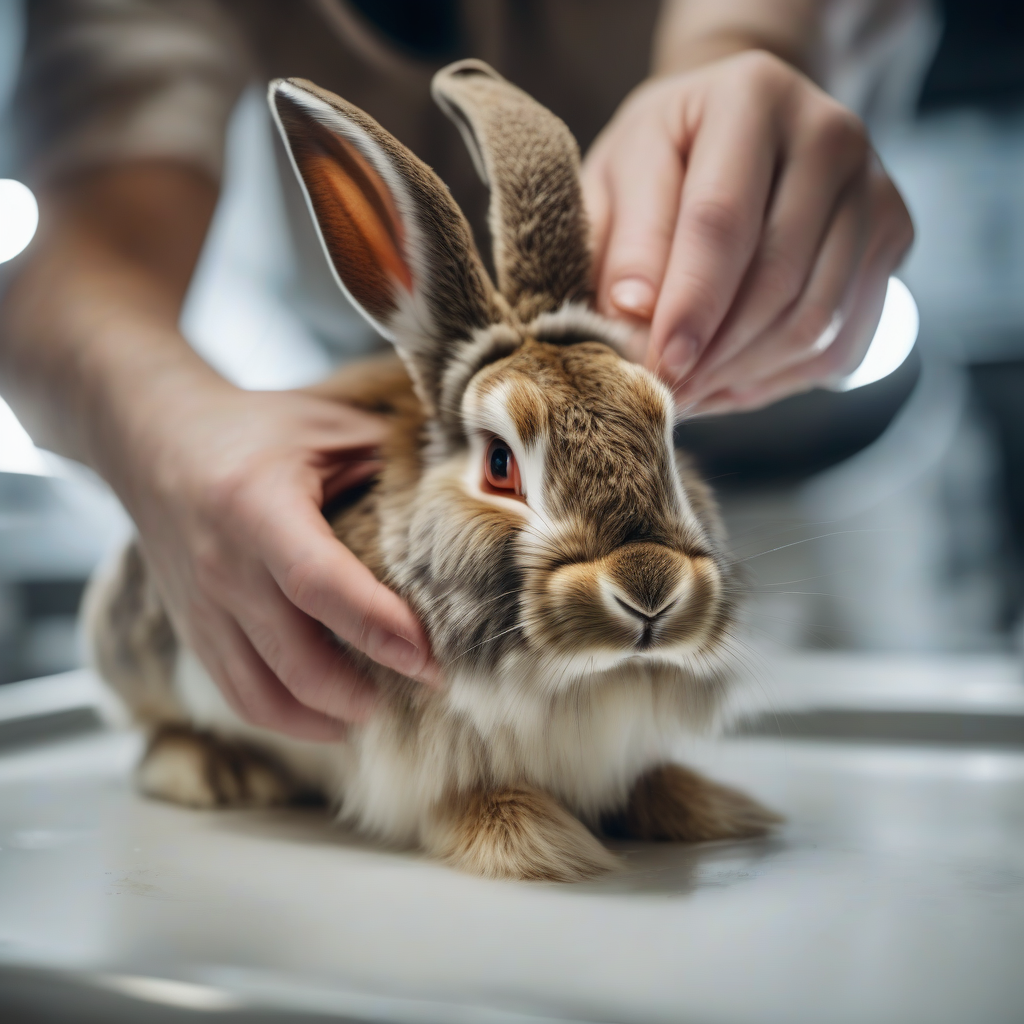
In this article, you will find comprehensive information about the care of your rabbit's often overlooked scent glands, potential health issues, and the scientific impact of these hygiene routines on your pet's behavioral well-being.


In this article, we will deeply explore the insidious neurobiological effects of gut microbiome imbalance (dysbiosis) on your rabbit's brain health and provide scientific-based solutions to maintain mental vitality.

In this article, you can find comprehensive information on how pancreatitis in dogs not only affects the digestive system but also insidiously impacts the brain, its neuroinflammatory mechanisms, and lifesaving emergency intervention strategies.

Discover the 5 insidious effects of overfeeding, one of the most stealthy threats to your fish's health, causing neurometabolic destruction in their brains, and learn scientific feeding strategies to prevent this demise. Uncover the silent danger in your aquarium!
While rabbits may bring joy to our homes with their adorable looks, there are specific care needs that are often overlooked during ownership but are of vital importance. One of these needs is the care of a rabbit's 'secret scent glands.' These glands play a critical role in your rabbit's overall health, hygiene, and even behavioral well-being. Unfortunately, many rabbit owners are unaware of the existence and care requirements of these glands, which can lead to serious health problems over time.
Rabbits generally have two types of scent glands: perineal glands and submandibular (chin) glands. However, the ones most important in the context of 'care' and prone to problems are the perineal glands. While submandibular glands are more related to social marking and territorial declaration, perineal glands are directly associated with hygiene.
Perineal glands are small pockets located on either side of your rabbit's anus, near the genital area. These glands produce a waxy, dark-colored, strong-smelling secretion that rabbits use to mark their territory and communicate. Normally, this secretion is expelled by the rabbit through self-grooming, but in some rabbits (especially older, obese, or those with mobility limitations), these glands can become impacted and infected. This impaction leads to problems such as bad odor, pain, and inflammation.
Unlike the anal glands common in dogs and cats, rabbits do not have this type of anatomical structure. Perineal glands are often mistakenly referred to as anal glands by the public. Knowing the correct terminology will ensure proper communication with your vet and that your rabbit receives appropriate care.
Regular checking and, if necessary, cleaning of scent glands are crucial for your rabbit's quality of life. This care routine can prevent many potential health issues and help your rabbit lead a happier, more comfortable life.
Uncleaned or impacted scent glands create a perfect environment for bacterial growth. This can lead to inflammation (sacculitis) and abscess formation. Infected glands can be quite painful for your rabbit, manifesting as symptoms such as loss of appetite, lethargy, and aggressive behavior. Early diagnosis and intervention are critical to prevent more serious complications. Similarly, your rabbit's secret ear labyrinth also requires regular checks against infection risks.
Rabbits use their scent glands to mark their territory. Impacted or painful glands can affect your rabbit's natural marking behaviors, leading to stress. Some rabbits may exhibit excessive licking, rubbing their hindquarters, or changes in litter habits due to discomfort. These behavioral changes can be an indicator of your rabbit's overall rabbit stress level.
Impacted scent glands can emit a foul odor and negatively affect your rabbit's general hygiene. This is important not only for the home environment but also for your rabbit's own comfort. Clean glands ensure your rabbit feels more comfortable and can exhibit natural behaviors without hindrance. This can also prevent problems related to your rabbit's communication protocols, as scent glands are a key part of social signaling.
Cleaning scent glands is a procedure that requires care and gentleness. If you are unsure or your rabbit is restless, you should always seek help from a veterinarian.
The best time for cleaning is when your rabbit is relaxed and calm. First, create a serene environment. Have sterile cotton swabs, warm water or a special cleaning solution recommended by your vet (never use alcohol or irritating chemicals!), and a towel ready.
Gently pick up your rabbit and position it on its back so its hindquarters face you. This position allows you to easily view your rabbit's perineal area. Observe for any redness, swelling, foul odor, or excessive discharge. It's important to keep your rabbit calm without triggering its space defense instincts.
Dampen a cotton swab with warm water or the cleaning solution. Locate the small pockets hidden within the folds of skin on either side of your rabbit's anus. Very gently and carefully remove the dark, waxy secretion from inside these pockets. Avoid excessive pressure and ensure your rabbit is not in pain. Usually, this secretion can be removed easily. If the secretion is very hardened or your rabbit is in pain, do not force it and consult a veterinary professional.
Despite regular checks and care, problems with scent glands can arise. In such cases, early diagnosis and veterinary intervention are crucial.
Symptoms of scent gland problems can include; a bad body odor, soiling around the hindquarters, redness or swelling around the anus, constant licking or scratching of the hindquarters, loss of appetite, lethargy, or aggressive reactions when touched. These symptoms can be confused with those of other painful conditions, such as your rabbit's silent jaw problem, thus requiring a comprehensive check.
If you have difficulty cleaning the scent glands, notice excessive swelling, redness, pus, or blood in the glands, or if your rabbit appears painful or uncomfortable, you should immediately consult a veterinarian experienced with exotic animals. Your vet can safely clean the glands, treat any infection, and guide you on preventing future problems.
Scent gland care is an essential part of your rabbit's overall grooming routine that should not be overlooked. This simple yet effective routine will help your companion lead a healthier, more hygienic, and behaviorally happier life.
