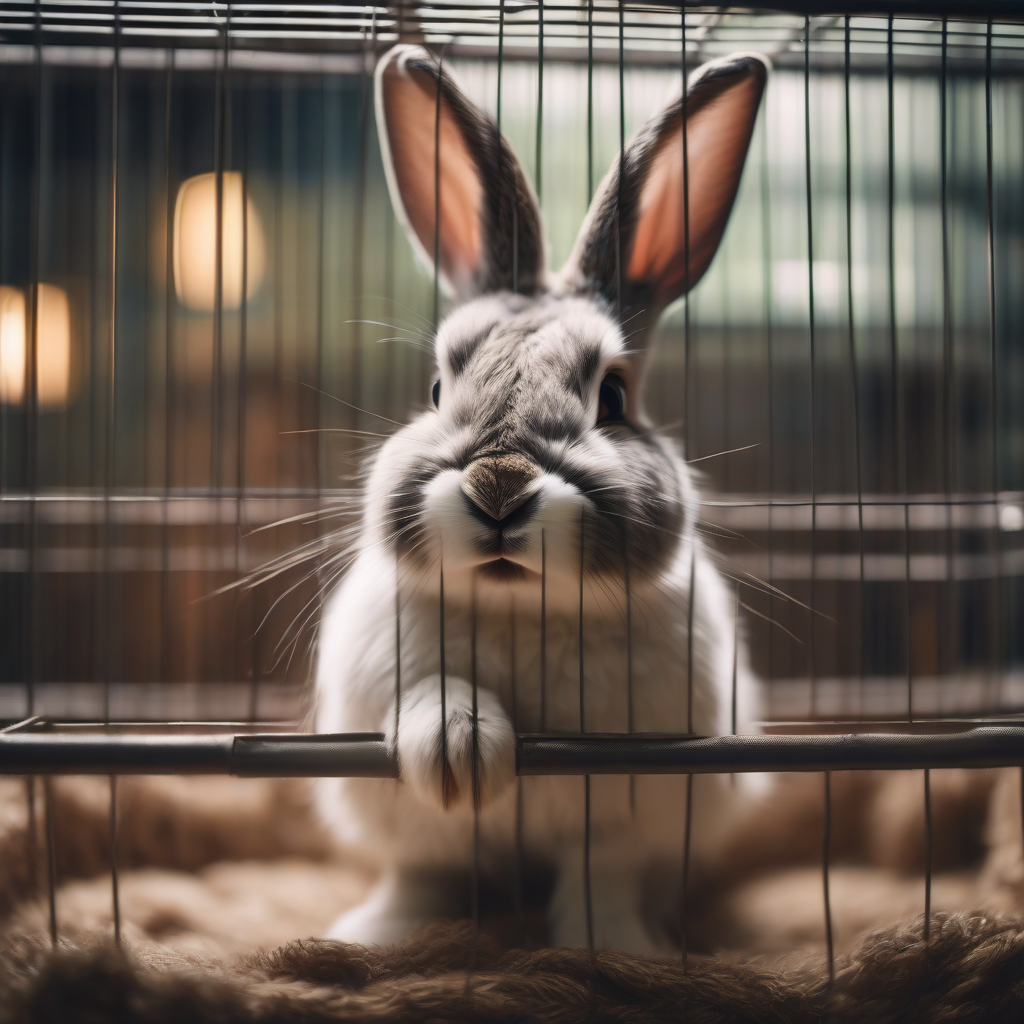
Discover the hidden stressors in your rabbit's new cage setup and the scientific strategies to eliminate them. Layouts that reset stress.


In this article, you will discover the 5 insidious neurobiological effects of the Encephalitozoon Cuniculi parasite, which is often overlooked in rabbits but severely affects the brain, along with lifesaving early diagnosis methods.
In this article, we will deeply explore the insidious neurobiological effects of gut microbiome imbalance (dysbiosis) on your rabbit's brain health and provide scientific-based solutions to maintain mental vitality.

In this article, you can find comprehensive information on how pancreatitis in dogs not only affects the digestive system but also insidiously impacts the brain, its neuroinflammatory mechanisms, and lifesaving emergency intervention strategies.
Rabbits are known for their sensitivity, and even the slightest changes in their living environment can be a significant source of stress. Especially a new cage arrangement or relocating an existing cage can trigger their natural security and territory control mechanisms. This is what we call 'Secret Space Defense' – it's not just about drawing a physical boundary but about securing a psychological comfort zone.
Rabbits, by nature, are prey animals. This dual status makes them constantly need to feel alert and secure in their surroundings. Their cage is not just a shelter for them; it's a sanctuary, a 'safe zone.' The arrangement within it, the position of items, and even the noise level in the environment directly affect their mood.
Several factors can trigger a rabbit's 'Secret Space Defense.' Some of the most common include:
Here are scientific strategies you can implement to eliminate your rabbit's 'Secret Space Defense' and provide them with a peaceful living space:
Create at least two distinct hiding spots in your rabbit's cage. Position these in different corners, ideally not directly facing each other. This provides them with areas for rest and quick escape if they perceive a threat. As we noted in Your Rabbit's 'Secret Floor Science': From Linoleum to Carpet, Scientific Secrets to Reduce Environmental Stress!, the arrangement of items on the floor is as important as the floor material itself.
Your rabbit's sleeping area should be calmer and more secluded than their feeding and water stations. Placing food and water bowls in a more active part of the cage allows them to feed more comfortably and be immediately aware of any activity. This helps alleviate their 'prey' instincts.
Increase vertical space in the cage by adding small ramps, platforms, or multi-level beds. This allows your rabbit to expend energy and satisfy their natural jumping and climbing instincts. Additionally, observation points at different heights enable them to better control their surroundings.
Instead of a standard cage setup, create a comfortable dining area like in a café. Position the food and water bowls close together but slightly separated. This allows your rabbit to eat and drink without disturbing each other, similar to how quality and placement of feeding areas are crucial for rabbits, much like Your Fish's 'Mini Chefs': The Vital Secrets of Micronutrients in Feed and Insidious Deficiency Dangers!.
Dedicate a corner of your rabbit's cage entirely as a 'quiet corner.' Place soft bedding material here and position this area away from high-traffic human or animal activity. Ensuring this corner is both quiet and dimly lit, considering the suggestions in our article Your Rabbit's 'Invisible Shadow Zones': Scientific Secrets to Identifying Hidden Stressors from Light Exposure in Your Home and Creating Optimal Comfort Areas, will create a space where they can feel truly secure.
Subtle details in your rabbit's living environment are crucial for their overall well-being and happiness. Understanding 'Secret Space Defense' and implementing proper cage layout strategies will not only reduce your rabbit's stress levels but also strengthen your bond. Remember, a happy rabbit is an energetic and healthy rabbit.
