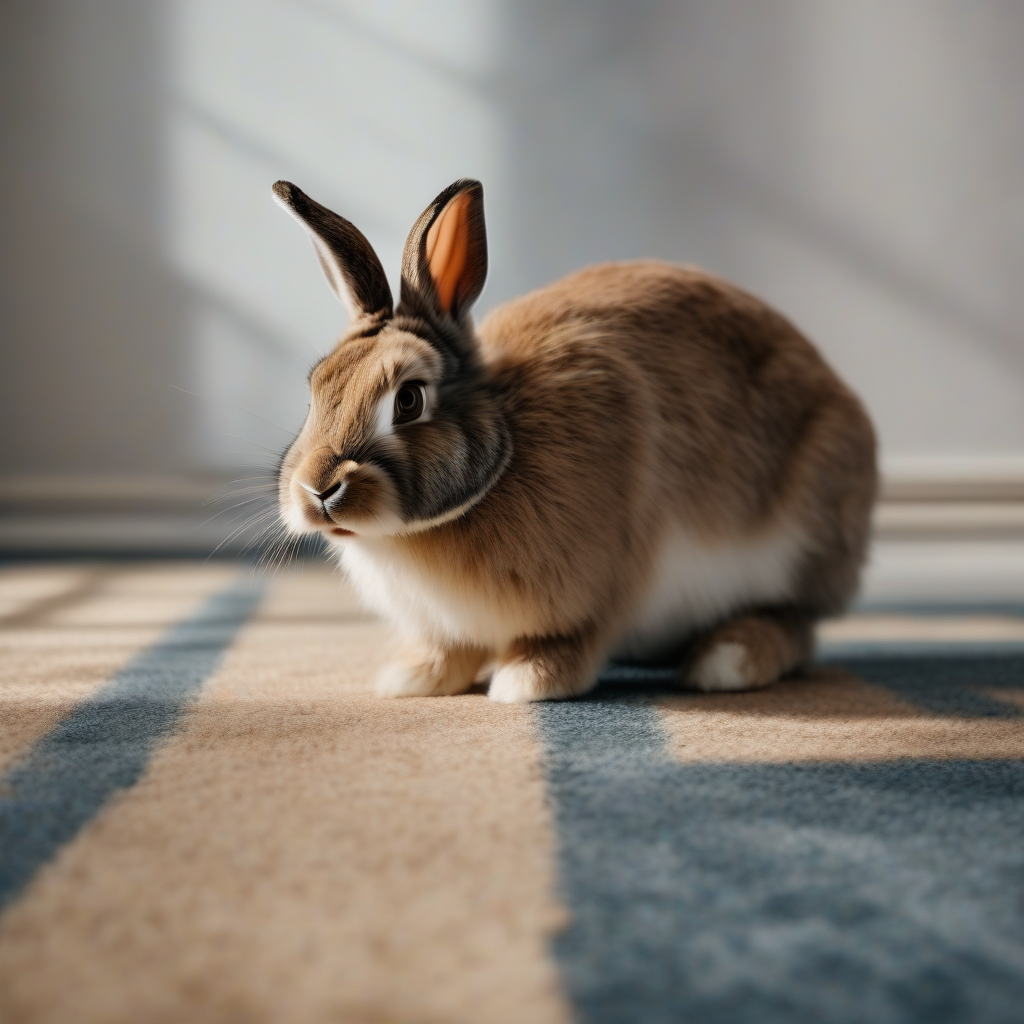
The type of flooring in your rabbit's living space can trigger more stress than you think. In this article, we scientifically explain the effects of different flooring types, from linoleum to carpet, on your rabbit's well-being and how to minimize these hidden stress sources.


In this article, you will discover the 5 insidious neurobiological effects of the Encephalitozoon Cuniculi parasite, which is often overlooked in rabbits but severely affects the brain, along with lifesaving early diagnosis methods.

In this article, we will deeply explore the insidious neurobiological effects of gut microbiome imbalance (dysbiosis) on your rabbit's brain health and provide scientific-based solutions to maintain mental vitality.

In this article, you can find comprehensive information on how pancreatitis in dogs not only affects the digestive system but also insidiously impacts the brain, its neuroinflammatory mechanisms, and lifesaving emergency intervention strategies.
Rabbits are often known as quiet and calm creatures. However, in their world, the floor of their living space plays a much more complex role than we might assume. This detail, often overlooked by many pet owners, can have a significant impact on a rabbit's overall well-being and stress levels. As of March 2026, current research indicates that flooring materials are not just an aesthetic choice but a hidden 'environmental trigger' that can directly affect a rabbit's cognitive and emotional state.
Linoleum floors, commonly found in our homes, may seem like a practical and easy-to-clean solution at first glance, but they can be a significant source of stress for rabbits. The smooth and slippery surface of linoleum restricts a rabbit's natural movements. Just as a baby might struggle to walk on a slippery surface, rabbits can have difficulty maintaining their balance. This can cause great anxiety and fear, especially when they feel the need to move quickly or escape.
This constant sense of insecurity can lead to chronic stress in rabbits. Consequently, the risk of health problems such as pododermatitis (foot sores) increases. Furthermore, slippery floors prevent rabbits from enacting their escape or hiding reflexes, making them feel vulnerable. This, combined with other environmental dangers mentioned in articles like Your Rabbit's 'Secret Poison Detector': Recognizing Insidious Household Dangers and 5 Lifesaving Scientific Intervention Steps!, can heighten a rabbit's overall anxiety levels.
On the other hand, carpets generally offer a more comfortable living environment for rabbits. The soft and textured surface of carpet provides rabbits with a sense of secure footing. This texture helps their paws grip, which both enhances their freedom of movement and makes them feel safer. High-quality, short-pile, and chemical-free carpets can be an ideal flooring option for rabbits.
Studies show that rabbits living in carpeted areas exhibit fewer stress-related behaviors compared to those on slippery floors. This allows them to be more active, explore more comfortably, and generally display a happier disposition. This can also positively influence social interactions, as mentioned in articles like Your Rabbit's 'Secret Hierarchy Map': Scientific Secrets of Group Dynamics and Strategies for Harmonious Coexistence!, because rabbits who feel more comfortable and secure tend to be more outgoing in their social relationships.
If fully carpeted areas are not always feasible, strategically placed rubber mats offer a great solution. Rubber mats with high grip, especially when placed on slippery surfaces like linoleum or tile, create safe movement corridors for your rabbit. These mats reduce the risk of rabbits encountering slippery surfaces on their way to food bowls, water dishes, or resting areas.
Such safe transition zones encourage a rabbit's exploratory nature while also addressing their security concerns. This is particularly important for rabbits in the post-adoption adaptation phase. As discussed in articles like Your Rabbit's 'Secret Emotional Map': 5 Scientific Secrets Behind Misunderstood Behaviors and the Art of Building Trust (March 2026), a secure environment increases your rabbit's trust in you and speeds up the adaptation process.
Natural wood floors or ceramic/tile surfaces can also be used for rabbits. Wood, being a natural material, is tolerated by most rabbits. However, since polished or treated woods can contain chemicals, it is advisable to choose natural options that are safe for pets and have a low risk of asthma. Like linoleum, tile and ceramic can be slippery, so placing rubber mats on top is important.
Another important point to consider with these types of flooring is maintaining hygiene. Rabbits tend to urinate and defecate in specific areas. The correct use of bedding and regular cleaning make management easier on these surfaces.
When arranging your rabbit's living space, flooring choice is a critical factor for their physical health and emotional well-being. Slippery and insecure floors can be a constant source of stress, while soft, textured, and safe surfaces help them lead happier, healthier, and more energetic lives.
Remember that every rabbit is an individual. By observing their behavior, you can understand which flooring types make them feel more comfortable and secure. Listening to their silent language and arranging their living space according to their needs is the most scientific way to enhance their overall well-being and ensure they live a long, healthy life. Coupled with topics like Your Rabbit's 'Secret Bonding Language': Scientific Secrets to Deepening Existing Relationships and Overcoming Social Crises!, a safe and comfortable living environment will further strengthen the bond you have with them.
In summary, flooring choice is not just a matter of simple decoration; it is a scientific issue directly related to your rabbit's health and happiness. By understanding these hidden sciences, you can create a better living space for them.
