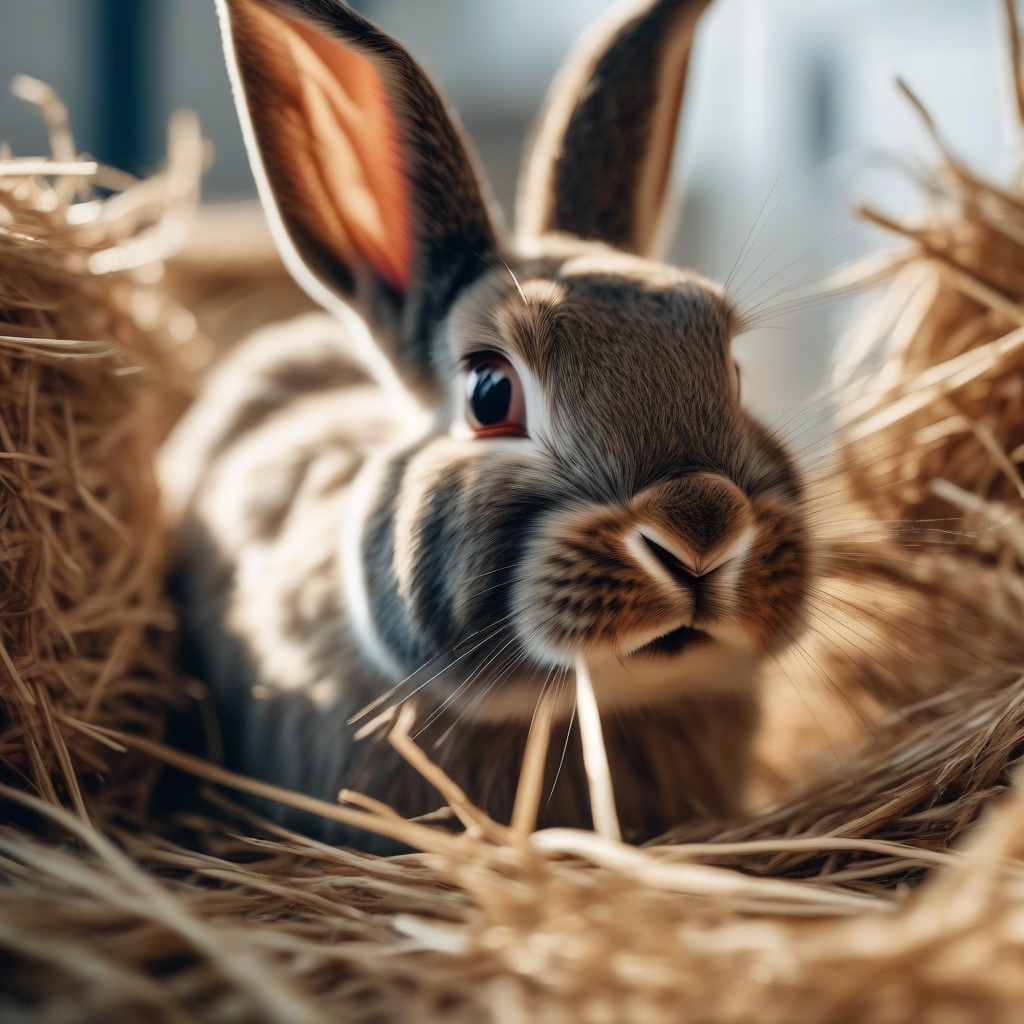
Rabbits' continuously growing teeth can lead to silent and fatal problems if not properly cared for. In this article, you will discover the scientific mechanics of rabbit teeth, the insidious signals of malocclusion, and 5 vital care strategies to ensure your little friend lives a pain-free life.


In this article, we will deeply explore the insidious neurobiological effects of gut microbiome imbalance (dysbiosis) on your rabbit's brain health and provide scientific-based solutions to maintain mental vitality.

In this article, you can find comprehensive information on how pancreatitis in dogs not only affects the digestive system but also insidiously impacts the brain, its neuroinflammatory mechanisms, and lifesaving emergency intervention strategies.

Discover the 5 insidious effects of overfeeding, one of the most stealthy threats to your fish's health, causing neurometabolic destruction in their brains, and learn scientific feeding strategies to prevent this demise. Uncover the silent danger in your aquarium!
Rabbits, despite their cute appearance and gentle nature, carry a critical health secret that often goes unnoticed by owners: their continuously growing teeth. If not managed correctly, this condition can lead to what is known as the "silent jaw problem," which can severely reduce quality of life and even be fatal. Even in March 2026, despite being among the most basic information about rabbit health, dental health remains an area that is not fully understood. So, what is the science behind your rabbit's teeth, and how can you eliminate this silent danger?
Rabbits, although not rodents (they are classified as lagomorphs), have continuously growing teeth. This biological adaptation stems from their ancestors, who naturally fed on fibrous plants and had to wear down their teeth constantly. However, in a domestic environment, improper diet or insufficient chewing opportunities disrupt this natural process.
A rabbit has a total of 28 teeth: 6 incisors (4 upper, 2 lower), 10 premolars, and 12 molars. The incisors, in particular, grow approximately 2-3 mm per week, while the molars grow slightly slower. This continuous growth must be balanced by the rabbit's eating habits. In their natural habitat, they chew hard, fibrous foods like grass and hay to wear down their teeth. For pet rabbits, maintaining this balance is the owner's responsibility. If regular and natural tooth wear is not ensured, overgrowth becomes inevitable.
Rabbits' digestive systems have evolved to process low-nutrient, high-fiber plants most efficiently. This diet also triggers the mechanism that ensures continuous tooth wear. During chewing, the upper and lower teeth rub against each other, preventing overgrowth. Modern pet rabbit diets often do not adequately support this natural wear process, forming the basis of dental problems.
Malocclusion is a condition where a rabbit's teeth do not align properly and cannot meet correctly. This prevents the teeth from wearing down evenly, leading to the formation of sharp points, hooks, or bridges. These sharp points can dig into the cheeks or tongue, causing severe pain, inflammation, and infections.
Malocclusion has devastating effects not only within the mouth but also on the rabbit's overall health. Due to pain, the rabbit may refuse to eat, which can lead to a slowdown or complete stoppage of the digestive system (Your Rabbit's 'Silent Gut Obstruction': Overlooked Early Signals of GI Stasis and Lifesaving First Aid Strategies!). This is an emergency medical condition for rabbits and can be fatal if neglected. Furthermore, chronic pain invites serious health problems such as infections and abscess formation. Tooth roots can elongate, putting pressure on the eyes, nasal passages, or jawbone, which may manifest as symptoms like eye discharge or respiratory issues.
A rabbit suffering from tooth pain will often try to hide its discomfort. This stems from their prey animal instinct; showing weakness makes them a target in the wild. Therefore, owners must be very observant. Overlooked signals include:
If you notice any of these symptoms, it is vital to contact your veterinarian immediately.
Protecting your rabbit's dental health requires a careful and scientifically based approach. Here are 5 strategies you can implement to help your little friend live a pain-free life:
80-90% of a rabbit's diet should consist of high-quality hay (timothy hay, oat hay, etc.). Hay, with its long fibrous structure, naturally and continuously wears down the rabbit's teeth. Pellets and vegetables should make up a small portion of the diet, while fruits should be given very rarely as treats. Our article, Your Rabbit's 'Invisible Hydration Language': Vital Secrets of Water Consumption and Insidious Dehydration Threats! explores the importance of water consumption in more detail, which is a critical factor for digestion and overall health.
Provide your rabbit with safe and appropriate chewing materials. Apple tree branches, willow branches, specially designed chewing toys, or even cardboard tubes (ink-free) will keep their teeth busy and help with wear. Chewing is important not only for dental health but also for cognitive stimulation and stress relief.
Your rabbit should be examined by a veterinarian experienced in rabbits at least once a year, ideally every six months. During these check-ups, the veterinarian will thoroughly inspect the mouth, teeth, and jaw structure. Early diagnosis can halt the progression of malocclusion and prevent serious surgical interventions. Remember, rabbits are masters at hiding their pain.
Adequate water intake is crucial for the regular functioning of the digestive system and the cleaning of food debris in the mouth. Provide continuous access to clean and fresh water. Water bowls, instead of bottles, can encourage rabbits to drink more naturally, thus contributing to oral hygiene.
Stress can indirectly affect dental health in rabbits by causing loss of appetite and behavioral changes. Providing a safe, peaceful, and enriched living environment improves overall well-being and reduces negative impacts on dental health. Our article, Your Rabbit's 'Secret Space Defense': How to Reset Stress with New Cage Layouts? Scientific Codes Revealed! can guide you on optimizing their living space. Additionally, it's important to be prepared for emergencies that may arise due to the progression of dental problems, such as Your Rabbit's 'Silent Gut Obstruction': Overlooked Early Signals of GI Stasis and Lifesaving First Aid Strategies!.
Your rabbit's dental health is an integral part of its overall health and happiness. Understanding the nature of continuously growing teeth and implementing proactive care strategies are key to preventing insidious problems like malocclusion. By providing a fibrous diet, chewing materials, regular veterinary check-ups, and a stress-free environment, you can help your little friend live a pain-free, healthy, and happy life. Dental problems often develop over the long term, so awareness and early intervention are vital.
