In this article, you will discover the overlooked scientific secrets of your rabbit's water consumption, the insidious signs of dehydration, and optimal hydration strategies that enhance their quality of life.


In this article, you will discover the 5 insidious neurobiological effects of the Encephalitozoon Cuniculi parasite, which is often overlooked in rabbits but severely affects the brain, along with lifesaving early diagnosis methods.

In this article, we will deeply explore the insidious neurobiological effects of gut microbiome imbalance (dysbiosis) on your rabbit's brain health and provide scientific-based solutions to maintain mental vitality.

In this article, you can find comprehensive information on how pancreatitis in dogs not only affects the digestive system but also insidiously impacts the brain, its neuroinflammatory mechanisms, and lifesaving emergency intervention strategies.
Rabbits, by their very nature, are extremely delicate and sensitive creatures. When it comes to the health of these beloved companions, we often focus on nutrition, housing, and grooming. However, there's an overlooked yet critically important area: hydration, or water consumption. Whether your rabbit is getting enough water can either open the door to many serious health problems or, conversely, lay the foundation for a healthy and long life. In this article, we will delve into the overlooked scientific secrets of your rabbit's water intake, the insidious signs of dehydration, and optimal hydration strategies that enhance their quality of life.
Water is fundamental for life for all living beings, and rabbits are no exception. However, the rabbit's digestive system and overall physiology amplify the importance of water even further. Adequate water intake for rabbits is indispensable for the following fundamental biological processes:
Rabbits are herbivores, and their digestive systems are adapted to process high-fiber foods. Sufficient water ensures that fiber moves smoothly through the intestines. In cases of water deficiency, digestion slows down, gut motility decreases, and this condition can lead to life-threatening "Silent Gut Stasis" (GI Stasis) in rabbits. This is a serious health crisis requiring immediate veterinary intervention.
Rabbits metabolize calcium differently than other animals, and their urine can normally be more concentrated and calcium-rich. Adequate water consumption facilitates the kidneys' ability to excrete excess calcium and other toxins from the body. Water deficiency can lead to further concentration of urine, increasing the risk of "Invisible Sand Grains" known as bladder sludge or urinary stones. This condition can lead to serious kidney problems in the long run.
Water also plays a critical role in regulating body temperature. Rabbits do not sweat, so water helps them cool down through evaporation. Furthermore, adequate hydration is essential for joint lubrication, optimal organ function, and maintaining cell health. Dehydration lowers the overall well-being and negatively impacts the rabbit's energy, activity, and even mood.
Rabbits are masters at hiding their pain and discomfort, making it challenging to recognize signs of dehydration. However, with careful observation, you can catch these insidious signals by deciphering your rabbit's "Secret Emotional Map":
It's important to take proactive steps to ensure your rabbit is getting enough water:
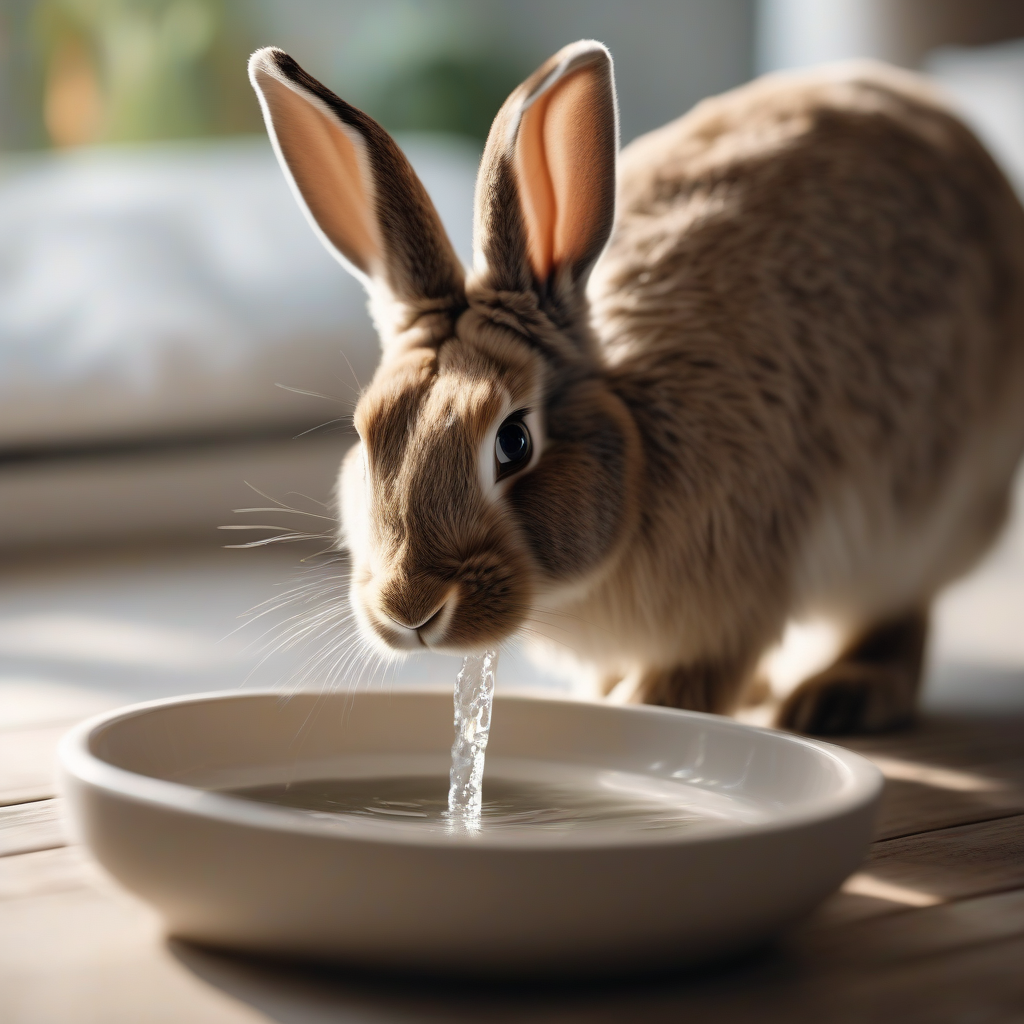
While traditional water bottles may seem hygienic, they go against rabbits' natural drinking patterns and can restrict adequate water intake. Using a wide, heavy ceramic or metal bowl encourages your rabbit to drink more comfortably and naturally. Place the water bowl in different areas of the cage or living space to facilitate access.
Tap water is sufficient in most regions, but filtered water may be preferred in some cases. The important thing is that the water is always fresh and clean. Daily changes and regular cleaning of the bowl prevent bacterial growth. Be careful not to let the water be too cold or too hot; room temperature is ideal.
Diet is a significant factor in your rabbit's water intake. Fresh vegetables and greens with high water content (such as lettuce, celery, cucumber) contribute to your rabbit's hydration. However, these foods should never replace the main water source.
High temperatures and stress can increase your rabbit's water needs or decrease its desire to drink. Ensure your rabbit's living space is cool, shaded, and calm. Minimizing overlooked stress triggers positively affects overall health and water consumption.
Understanding your rabbit's "invisible hydration language" and providing an appropriate environment for it is one of the most crucial steps to ensure a healthy and happy life. At the slightest concern about water consumption, contacting a veterinarian immediately is vital to prevent possible serious health problems. Remember, good hydration not only quenches thirst but also ensures the perfect functioning of all your rabbit's biological systems.
