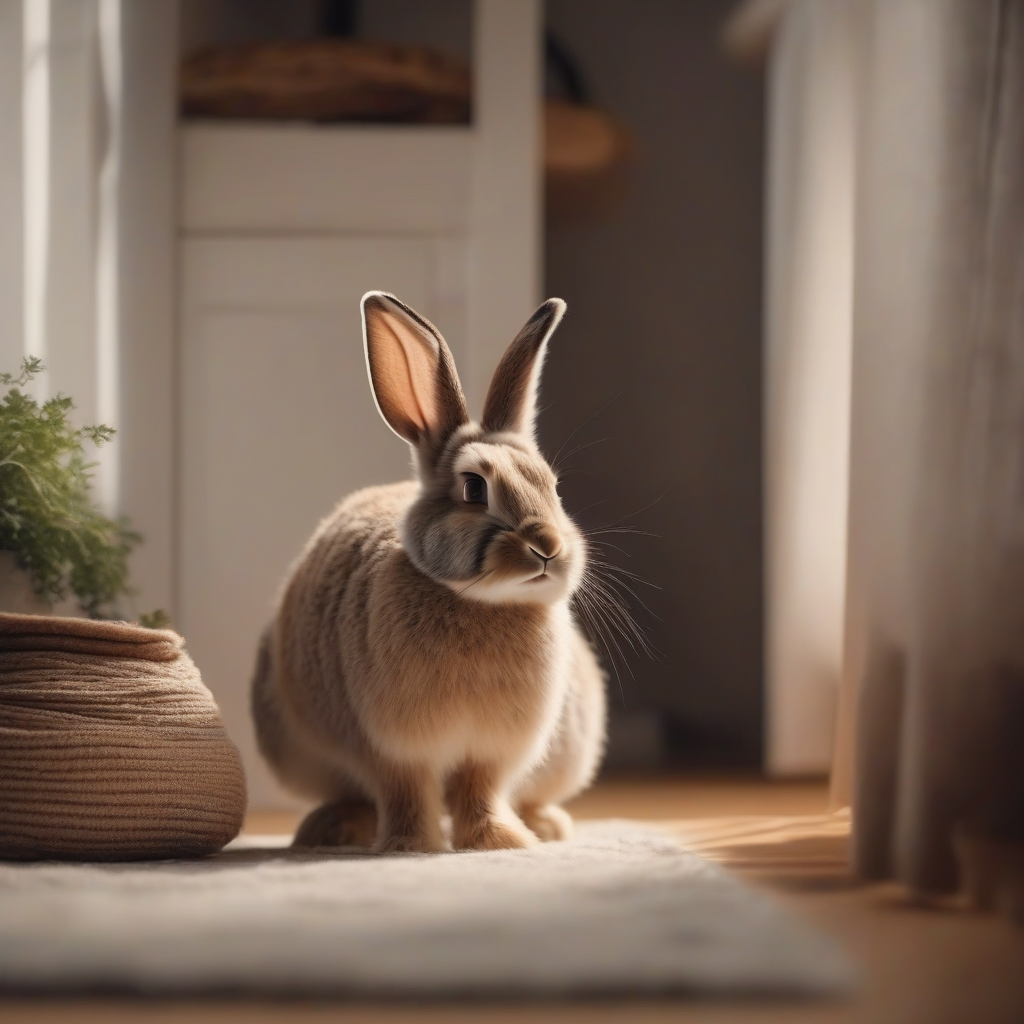
In this article, you will find comprehensive information on the invisible sources of acoustic stress for rabbits in a home environment, the scientific basis of this stress, and strategies you can implement to transform your rabbit's living space into a peaceful haven.


In this article, we will deeply explore the insidious neurobiological effects of gut microbiome imbalance (dysbiosis) on your rabbit's brain health and provide scientific-based solutions to maintain mental vitality.

In this article, you can find comprehensive information on how pancreatitis in dogs not only affects the digestive system but also insidiously impacts the brain, its neuroinflammatory mechanisms, and lifesaving emergency intervention strategies.

Discover the 5 insidious effects of overfeeding, one of the most stealthy threats to your fish's health, causing neurometabolic destruction in their brains, and learn scientific feeding strategies to prevent this demise. Uncover the silent danger in your aquarium!
Rabbits, by their nature, are extremely sensitive and alert prey animals. One of their most prominent characteristics is their extraordinary hearing abilities. In domestic life, these keen senses can be both an advantage and an invisible source of stress for your rabbit. Modern home environments are filled with numerous sounds and vibrations that the human ear barely notices or completely ignores. So, how do these sounds affect your rabbit's quality of life, and how can you manage this 'invisible sound labyrinth'?
Rabbits' ears can perceive a wide frequency range, approximately between 40 Hz and 40,000 Hz (40 kHz), whereas the human ear typically hears between 20 Hz and 20,000 Hz. Additionally, rabbits have a pronounced sensitivity to high-frequency sounds. Their ability to rotate their ears independently by 270 degrees allows them to instantly detect the direction of even the slightest rustle or a distant threat. This adaptation is vital for their survival in the wild. However, in a home environment, this can turn into a constant sensory bombardment.
Not only the loudness of the sound (decibels) but also its character (tone, continuity, sudden onset) is of great importance to rabbits. Sudden, high-frequency, or continuously monotonous sounds can lead to chronic stress in rabbits. For example, the sound of a vacuum cleaner, a slamming door, sudden bursts from the television, or loud children's play can trigger a 'fight or flight' response in rabbits.
Many daily sounds at home are potential stress factors for your rabbit:
This constant exposure can elevate rabbits' stress levels, leading to a range of behavioral and physiological problems. For instance, stress can cause dehydration in rabbits, paving the way for issues like those described in Your Rabbit's 'Invisible Hydration Language': Vital Secrets of Water Consumption and Insidious Dehydration Threats!.
Rabbits typically express their discomfort silently. Symptoms of acoustic stress can include:
Making your rabbit's living space acoustically more comfortable is vital for their well-being:
Understanding and managing your rabbit's 'invisible sound labyrinth' is critically important for them to lead a happy and healthy life. By optimizing the acoustic environment at home, you can demonstrate respect for your rabbit's natural instincts and provide them with the peaceful sanctuary they deserve. Remember, silence is not just the absence of noise, but a fundamental component of well-being.
