
In this article, you will discover the insidious neurobiological effects of incorrect handling on rabbits' brain health and the scientific secrets to building a trust-based relationship with them.

In this article, you will discover the insidious neurobiological effects of incorrect handling on rabbits' brain health and the scientific secrets to building a trust-based relationship with them.
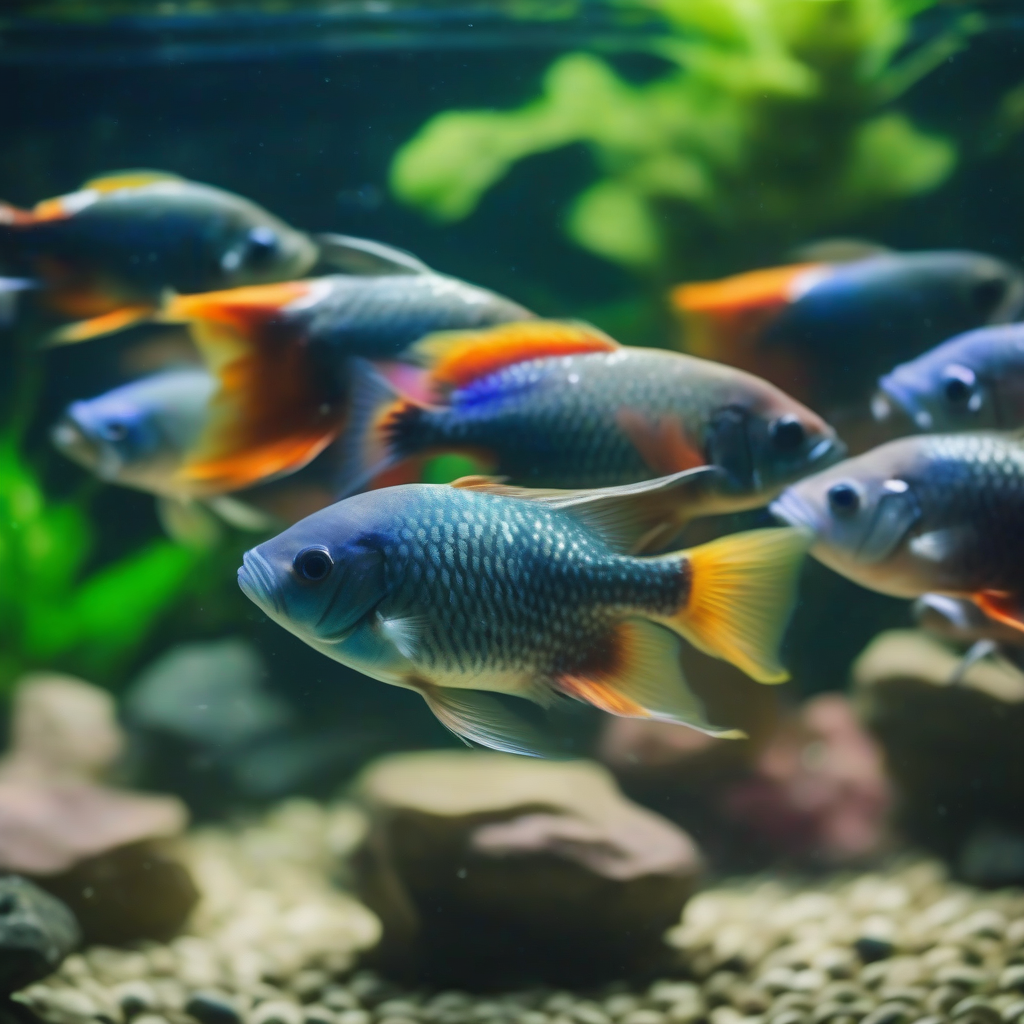
In this article, you will discover the surprising capacity of fish to develop emotional resonance towards their stressed tank mates and learn scientific training tactics to encourage these 'helping' behaviors. Delve into the depths of fish social intelligence to uncover neurocognitive secrets for creating a more peaceful and cooperative environment in your aquarium.

In this article, you will find comprehensive information on the neurobiological changes occurring in your dog's brain during separation anxiety and scientifically proven strategies to manage this condition. Delve deep into your dog's fear of being alone to discover the secrets to providing a more peaceful life and happier reunions for them.
Rabbits are inherently sensitive and delicate creatures. Their nature as prey animals makes them extremely susceptible to even the slightest perceived threat. This highlights how critical our physical contact, or "handling," is for them. Many rabbit owners, wanting to cuddle and pet their adorable companions, might be unaware that they could be creating deep and insidious neurobiological effects in the animal's brain. Incorrect handling techniques can lead to far more than just momentary discomfort, causing chronic stress, eroding your rabbit's trust in you, and even contributing to physical health issues. As of September 2026, recent scientific research is shedding light on how this "hidden touch terror" leaves lasting imprints deep within the brain.
In this article, you will discover the insidious neurobiological effects of incorrect handling on rabbits' brain health and the scientific secrets to building a trusting, peaceful relationship with them. Our goal is to help you understand the correct care protocols for a happier and healthier life for both you and your little companion.
Rabbits are species that live under the constant threat of predation. This reality has shaped their survival mechanisms. Sudden movements, pressure from above, or being held tightly are immediately interpreted as danger signals by a rabbit's brain. The "flight, fight, or freeze" response is ingrained in their genetic code. When handled incorrectly, a rabbit can feel as though it's in the clutches of a predator. This situation can create not only momentary fear but also long-term traumatic effects.
If your rabbit consistently exhibits avoidance behaviors, doesn't approach you, or resists being handled, it's often a result of negative handling experiences. The underlying neurobiological mechanisms for this are quite complex:
The amygdala is the brain's primary center for processing fear and threat perception. When a rabbit experiences incorrect or traumatic handling, its amygdala becomes overactive, causing the brain to go into an "alarm state." Repeated bad experiences can teach the amygdala to trigger this response even at the slightest attempt at handling (or even just your approach). Chronic stress can cause the amygdala to remain hyperactive, leading the rabbit to live in a constant state of fear or anxiety. This significantly reduces its overall quality of life.
The hippocampus is a vital brain region involved in learning and memory formation. Chronic stress can lead to a reduction in the hippocampus's volume or a decrease in its functionality. The constant fear and stress stemming from incorrect handling experiences can dull a rabbit's ability to learn new, positive experiences and record them in its memory. For instance, it becomes harder for them to perceive calm and gentle touches as positive. This can also lead to obstacles in training processes, such as Your Rabbit's 'Stubborn Repetition' Syndrome, because the brain's capacity to process new information is diminished.
Stressful situations in rabbits trigger the release of stress hormones like cortisol. Incorrect handling can lead to sudden and significant increases in cortisol, while chronic negative experiences contribute to persistently high cortisol levels. Elevated cortisol levels suppress the immune system, making the rabbit more vulnerable to diseases. This can also have detrimental effects on gut health, potentially setting the stage for serious health issues like Your Rabbit's 'Insidious Bowel Paralysis' Nightmare.
Oxytocin, known as the "love hormone" or "bonding hormone," plays a central role in forming social bonds. Positive and secure physical contact promotes oxytocin release. However, incorrect or frightening handling experiences can reduce the density of oxytocin receptors in the brain. This makes it harder for the rabbit to form a secure bond with its owner, leading to avoidance of social interactions and a more distant demeanor towards its owner. For a healthy rabbit-owner relationship, active and positive oxytocin pathways are essential.
The prefrontal cortex is responsible for higher-level cognitive functions such as planning, decision-making, impulse control, and regulating social behaviors. Chronic stress and fear can negatively impact the activity of this region. Rabbits experiencing stress due to incorrect handling may exhibit more impulsive, aggressive, or excessively timid behaviors. Overreacting to sudden movements or panicking in unexpected situations can be a sign of impaired prefrontal cortex functionality.
Adopting correct handling techniques is vital for establishing a safe and positive relationship with your rabbit. Here are some science-backed tips:
If you observe behavioral problems in your rabbit such as chronic fear, aggression, or extreme timidity, and your own efforts are not yielding results, it's important to seek help from an exotic animal veterinarian or a rabbit behavior specialist. Professional support will help you understand the underlying causes of your rabbit's behavior and find appropriate solutions.
The physical contact you share with your rabbit is not merely an act of affection; it's a vital aspect of care that deeply impacts its mental and physical well-being. Incorrect handling can lead to insidious neurobiological effects deep within the brain, such as chronic fear, learning difficulties, and bonding issues. However, by approaching with correct, patient, and scientific methods, you can build a trusting, strong, and happy relationship with your rabbit. This conscious approach will enhance your little friend's quality of life and make your time together much more meaningful.
