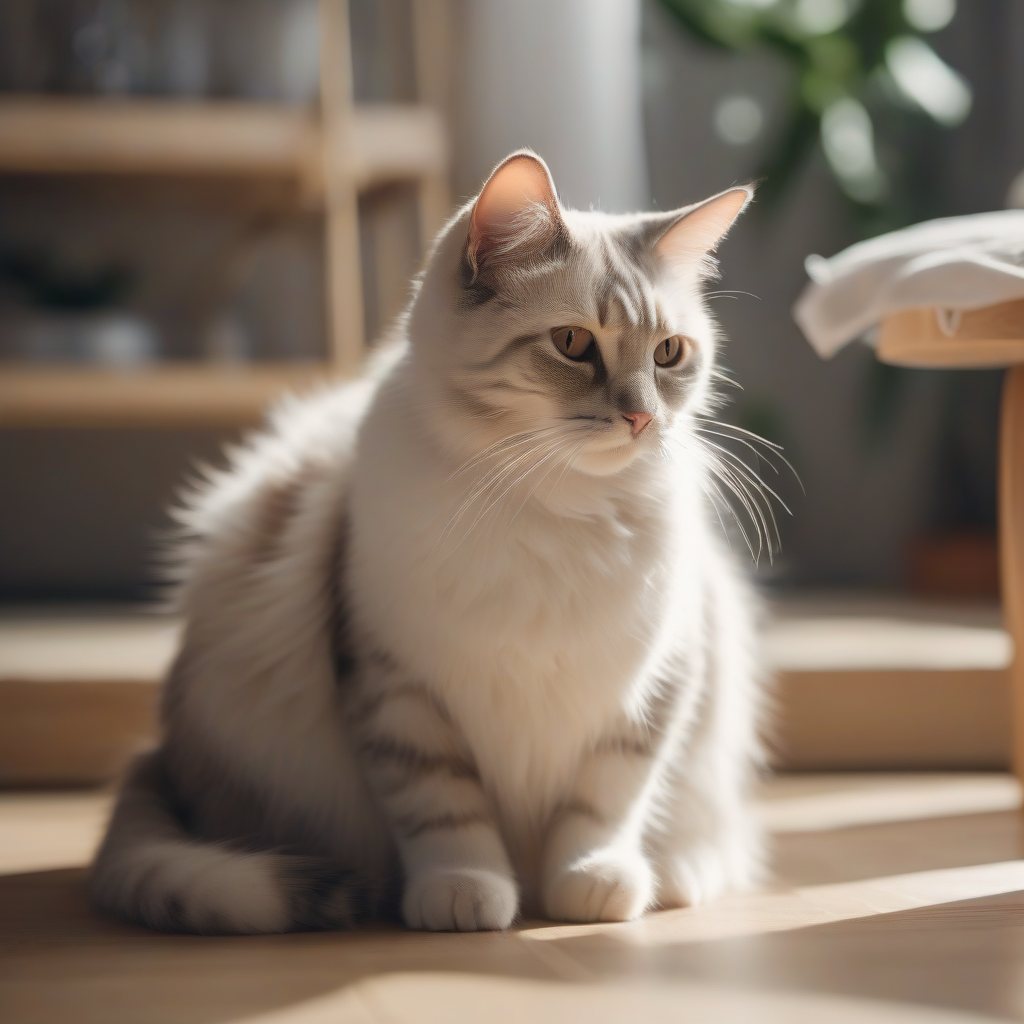
In this article, you will discover comprehensive preventative care strategies such as stress management, special nutrition, and environmental enrichment to prevent the formation of urinary crystals and stones, common in cats. With up-to-date March 2026 information, learn the scientific secrets to maximize your cat's bladder health.


Discover the neurobiological signals of hidden stress your newly adopted cat experiences during adaptation to a new social environment. This article reveals 5 insidious signs of your cat's silent struggle and scientific strategies for peaceful, long-term harmony.

Your dog's anal sacs, located beneath the tail, can be hidden alarm bells often overlooked but profoundly affecting their quality of life. In this article, you will discover the 5 insidious neurobiological effects of anal sac problems on the brain and the lifesaving care secrets you need to know for your furry friend to live a peaceful life.
In this article, you will find comprehensive information on the insidious neurotoxic effects of heavy metal poisoning in aquarium fish, its symptoms, and lifesaving emergency intervention codes. This condition, which can arise from household water sources, improper equipment, or neglect, can severely threaten your fish's quality of life and lifespan.
Cats, especially those living indoors, are quite prone to urinary tract problems. Chief among these issues are crystals forming in the bladder and the stones these crystals can combine to create. Known as Feline Lower Urinary Tract Disease (FLUTD), this condition can severely diminish your cat's quality of life and lead to situations requiring emergency veterinary intervention. But don't worry! As of March 2026, scientific research illuminates comprehensive preventative care strategies that can be implemented to avoid such problems. In this article, we will delve into the "invisible" roles of stress, diet, and environmental factors on your cat's bladder health and how to manage them.
Urinary crystals in cats typically appear in two main types: struvite or calcium oxalate. These crystals begin to form in the bladder under the right conditions (usually urine pH, mineral concentration, and dehydration) and can grow over time, causing pain, frequent urination, straining to urinate, bloody urine, and even life-threatening urinary blockages. These conditions often appear suddenly and may have progressed before you notice your cat's pain.
Cats' unique physiology and behaviors make them more susceptible to urinary tract problems. Male cats, in particular, have narrower urethras, increasing their risk of blockages. Additionally, cats naturally tend to drink less water. This can lead to concentrated urine, creating a suitable environment for crystal formation. Inactivity and obesity are also risk factors.
Symptoms of urinary tract problems may not always be obvious. Sometimes subtle changes in your cat's behavior can signal a silent problem. For example, pay attention to signs such as urinating outside the litter box, going to the litter box more frequently than usual, meowing or straining while urinating, excessive licking of the genital area, or loss of appetite. To understand these signs, you can refer to our article Decoding Your Cat's Secret Language: Unknown Ways to Understand Their Emotional Intelligence Through Body Language and Signals. Early diagnosis and intervention are vital for long-term health.
Modern veterinary medicine emphasizes that stress is one of the most significant triggers for urinary tract problems in cats. Environmental stressors can trigger sterile inflammation in cats, known as Feline Idiopathic Cystitis (FIC), which can lead to crystal formation. Understanding your cat's Secret Emotional World is the first step in managing stress.
Enriching your cat's living space is one of the most effective ways to lower stress levels and encourage natural behaviors. Opportunities for climbing to high places, observing, hiding, and satisfying hunting instincts should be provided. Our article Your Cat's New Play Zone: The Invisible Stress-Reducing Effects of Cat Trees and the Mysterious Science of High Places can guide you in this regard. Toys, scratching posts, opportunities to look out windows, and even interactive games are crucial for your cat's mental and physical well-being.
Cats love routines, and unexpected changes can be a source of stress for them. Maintaining consistency in meal times, playtime, and general household order is important. Additionally, providing safe spaces for interactions with other animals or people in the home helps your cat feel secure. Each cat should have its own bed, food bowl, and litter box, and these areas should be accessible.
Your cat's diet is one of the cornerstones of urinary tract health. Incorrect nutrition can alter urine pH and trigger crystal formation. Therefore, specially formulated veterinary diet foods are often recommended.
Urine pH is a critical factor in crystal formation. Struvite crystals typically form in alkaline urine, while calcium oxalate crystals form in acidic urine. Veterinary diet foods are designed to prevent the formation of these crystals by maintaining urine pH within a specific range and controlling the levels of minerals like magnesium and phosphorus. For other essential nutrients like taurine, crucial for your cat's healthy life, please refer to our article Your Cat's Secret Energy Source: The Invisible Effects of Taurine Deficiency and the Risk of Acute Heart Failure (March 2026).
Adequate water intake helps dilute urine, reducing the risk of crystal formation. Since cats naturally tend to drink less water, you need to be creative:
Your cat's living environment has a direct impact on urinary tract health. Eliminating stressors and supporting their litter habits is essential.
Litter box management is indispensable for your cat's urinary tract health. As a rule, you should have one more litter box than the number of cats in your household (e.g., 2 litter boxes for 1 cat). The litter box should be in an easily accessible, quiet, and safe location, never next to food or water bowls. Daily cleaning and regular litter changes are vital to ensure your cat doesn't hesitate to use the litter box. A dirty litter box can cause your cat to hold its urine, triggering bladder problems.
Just as important as the litter box being easily accessible is your cat feeling secure while eliminating. For older cats or those with joint issues, low-sided litter boxes may be preferred. Knowing they won't be disturbed while eliminating helps your cat stay stress-free.
Despite the preventative care strategies mentioned above, regular veterinary check-ups should not be neglected. Annual or semi-annual check-ups allow for early detection of potential problems. Your veterinarian can monitor your cat's bladder health through urinalysis and, if necessary, imaging methods. To make vet visits less stressful for your cat, we recommend reading Cooperative Care Training for Cats: Scientific Ways to Say Goodbye to Stress During Vet Visits and Grooming. Early diagnosis means less invasive treatment methods and a better prognosis.
Protecting your cat from urinary crystals is not just a matter of diet, but a comprehensive care philosophy. By combining factors such as stress management, appropriate nutrition, and environmental enrichment, you can support your cat's bladder health and offer them a longer, happier, and healthier life. Remember, every step taken for your cat's health is a testament to their gratitude towards you. Understanding your pet's silent signals and investing in preventative care is one of the most important veterinary trends of 2026. A healthy cat is a happy cat!
