
In this article, you will find comprehensive information about the potential health issues of taurine deficiency, especially its critical effects on heart health, and how to prevent this hidden danger in your cat's diet.


Discover the neurobiological signals of hidden stress your newly adopted cat experiences during adaptation to a new social environment. This article reveals 5 insidious signs of your cat's silent struggle and scientific strategies for peaceful, long-term harmony.

Your dog's anal sacs, located beneath the tail, can be hidden alarm bells often overlooked but profoundly affecting their quality of life. In this article, you will discover the 5 insidious neurobiological effects of anal sac problems on the brain and the lifesaving care secrets you need to know for your furry friend to live a peaceful life.
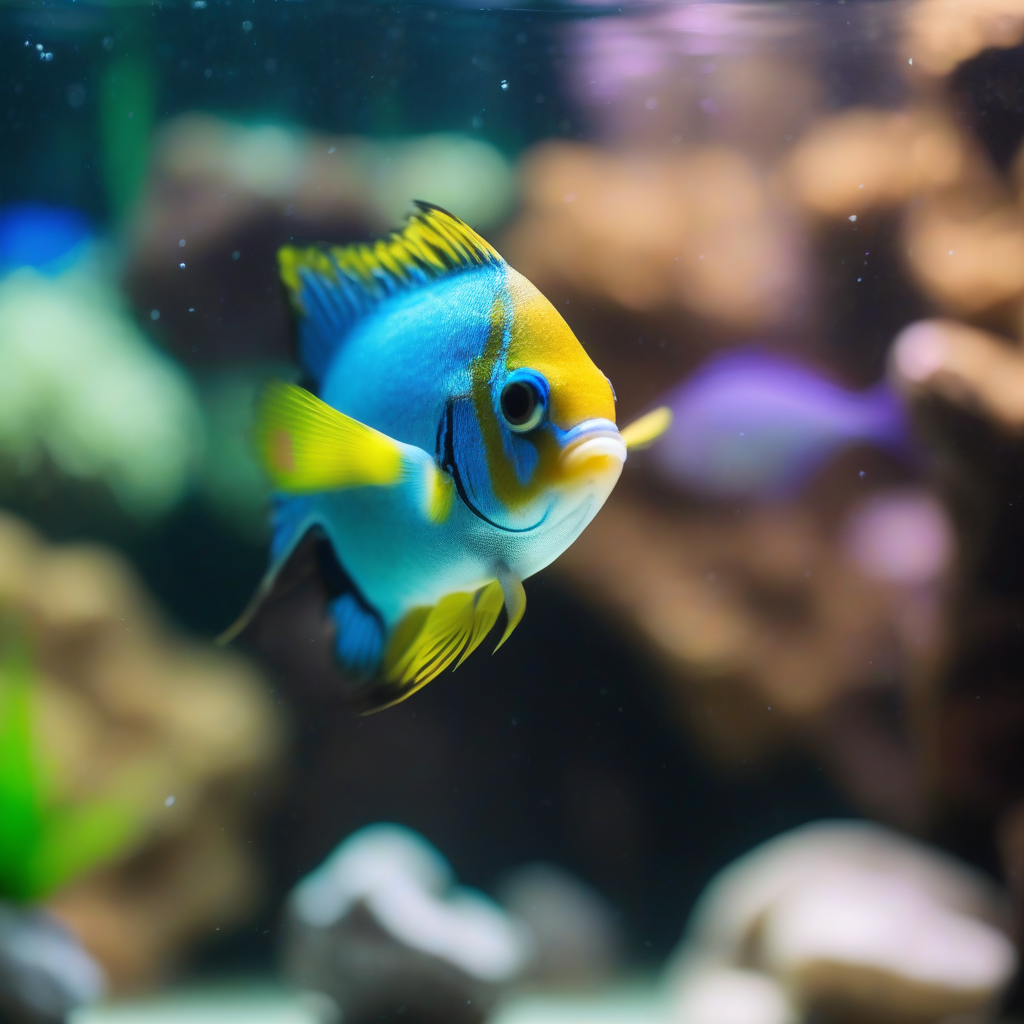
In this article, you will find comprehensive information on the insidious neurotoxic effects of heavy metal poisoning in aquarium fish, its symptoms, and lifesaving emergency intervention codes. This condition, which can arise from household water sources, improper equipment, or neglect, can severely threaten your fish's quality of life and lifespan.
Cats, despite their small size, possess incredible energy and a complex physiology. A crucial component in maintaining this energy and overall health, yet often overlooked, is taurine. An amino acid, taurine cannot be synthesized by cats' bodies, making it a vital nutrient they must obtain from their diet. With our up-to-date information as of March 2026, we will delve into the insidious effects of taurine deficiency on cats, particularly the risk of acute heart failure.
Taurine plays a key role in cats' protein metabolism, fat digestion, central nervous system function, and, of course, heart health. Unlike humans, cats cannot produce sufficient amounts of taurine on their own. Therefore, the presence of adequate taurine in a cat's diet is paramount.
One of taurine's most recognized and critical benefits is its support for cardiac health. Heart muscle cells require taurine to maintain normal function. Insufficient taurine intake can lead to weakening of the heart muscle, enlargement, and ultimately, a serious condition called dilated cardiomyopathy (DCM). DCM is one of the most common causes of heart failure in cats and, unfortunately, can progress rapidly.
Taurine deficiency often progresses subtly, and the initial symptoms may not be immediately noticeable. However, careful observation can help you detect potential risks early:
Cats experiencing taurine deficiency may exhibit general lethargy and reduced energy levels. A once-energetic cat might become more sleepy and apathetic. This can be a sign of an underlying health issue. While cats have various energy sources, similar to how your rabbit's secret energy source: the delicate dance between the digestive microbiome and immune system is important, taurine holds a special place in this regard.
Taurine also plays a role in eye health. Its deficiency can lead to retinal degeneration and vision loss in cats. Early diagnosis of this condition is critical for successful treatment.
Taurine is involved in the production of bile acids, which aid in fat digestion. Therefore, taurine deficiency can sometimes lead to diarrhea and general digestive problems.
The most alarming consequence of taurine deficiency is the sudden onset of acute heart failure. This condition directly threatens the cat's life and requires immediate veterinary intervention. Symptoms such as sudden difficulty breathing, rapid and weak pulse, coughing, and bluish gums (cyanosis) may be observed. Such emergencies require the same level of urgency as situations like end your fish's breathing crisis: 5 lifesaving steps for sudden gill blockage!, but are related to the heart.
Taurine deficiency is most common in cats that are fed inadequate or unbalanced diets. Cats fed primarily homemade diets, low-nutrient dry foods, or low-quality commercial cat foods are at higher risk. Some unbranded or carelessly produced cat foods may not contain sufficient taurine, or their taurine content may degrade over time.
If your cat exhibits any of the symptoms mentioned above, it is crucial to consult your veterinarian immediately. Your veterinarian will assess your cat's overall health, perform a physical examination, and request blood tests if deemed necessary. Blood tests can measure taurine levels in cat plasma, confirming the presence of a deficiency.
Once a diagnosis is made, your veterinarian will likely prescribe taurine supplements for your cat. Oral taurine supplements can help improve symptoms and heart function within a few weeks. However, in cases of chronic heart failure, a lifelong treatment plan may be necessary.
The most effective way to ensure your cat meets its taurine needs and prevent potential health issues is to establish proper dietary habits from the start. Remember, as with the gut-brain axis in dogs: secrets to boosting mental sharpness and behavioral balance through nutrition, there is a profound connection between nutrition and overall health in cats.
Taurine is your cat's secret energy source and is indispensable for them to live a long, healthy life. With this knowledge in mind as of March 2026, by paying attention to your little companion's nutrition, you can eliminate potential dangers and ensure their happiness and health.
