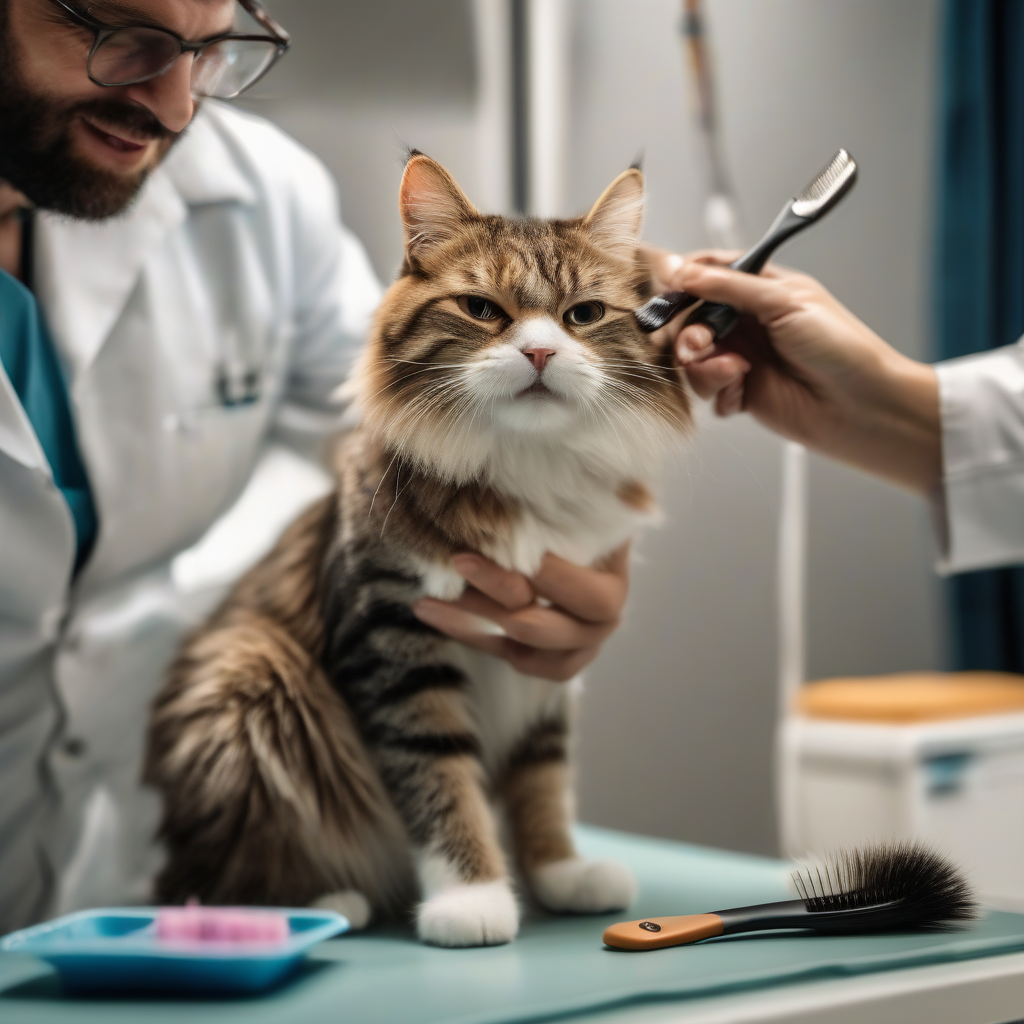
In this article, you will discover cooperative care training techniques and scientific secrets to minimize stress for your cats during veterinary visits and daily grooming routines. You will enhance your cat's well-being while strengthening your bond.


Discover the neurobiological signals of hidden stress your newly adopted cat experiences during adaptation to a new social environment. This article reveals 5 insidious signs of your cat's silent struggle and scientific strategies for peaceful, long-term harmony.

Your dog's anal sacs, located beneath the tail, can be hidden alarm bells often overlooked but profoundly affecting their quality of life. In this article, you will discover the 5 insidious neurobiological effects of anal sac problems on the brain and the lifesaving care secrets you need to know for your furry friend to live a peaceful life.

In this article, you will find comprehensive information on the insidious neurotoxic effects of heavy metal poisoning in aquarium fish, its symptoms, and lifesaving emergency intervention codes. This condition, which can arise from household water sources, improper equipment, or neglect, can severely threaten your fish's quality of life and lifespan.
Cats, with their mysterious and independent spirits, are indispensable members of our homes. However, when it comes to routine care such as vet visits, nail trims, brushing, or administering medication, their independence can often turn into stress and struggle. This situation can be traumatic for our feline friends and a major challenge for their owners. As of March 2026, with increasing awareness of pet welfare, managing these processes through cooperative care training in collaboration with our cats is gaining more and more importance.
Cooperative care training is a positive reinforcement-based approach aimed at ensuring your cat's active and voluntary participation in medical procedures and care routines. This involves progressing by offering them choices and associating each step with pleasant experiences, rather than forcing, pressuring, or breaking your cat's resistance. So, how can we achieve this transformation?
Cooperative care is a philosophy where an animal is trained to willingly participate in a procedure, remain calm, and even hold a specific position in response to a cue. This ensures the animal associates the process with a reward and a positive experience. Traditionally, cats are often examined or cared for through force or restraint. This can lead to anxiety, fear, and aggression in cats, making the next care or vet visit even more difficult.
While cats are natural predators, they are also highly sensitive animals vulnerable to stressful situations. Forced interventions elevate stress levels in cats, can weaken their immune systems, and even lead to behavioral problems. This also negatively impacts the diagnostic and treatment processes for veterinarians. A stressed cat in a veterinary setting may have elevated blood pressure, increased heart rate, and distorted clinical data essential for accurate diagnosis.
At the heart of cooperative care lies a sense of trust and control. Your cat will be more cooperative when they feel safe and believe they have some control over a given situation. This process begins with small steps and is supported by ample positive reinforcement (tasty treats, praise, play). The goal is to help the cat perceive a procedure not as a threat, but as a beneficial or neutral experience.
Cooperative care training requires patience, consistency, and the right techniques. Here are the fundamental steps to guide you on this journey:
Positive reinforcement is the cornerstone of cooperative care training. When your cat exhibits a desired behavior (e.g., calmly entering the carrier or allowing you to touch their paw), immediately reinforce it with a reward (their favorite treat, wet food, or play). This increases the likelihood of that behavior repeating in the future. The higher the value of the reward for your cat, the more effective the training will be.
These two techniques are used in conjunction. Gradual exposure involves slowly and gradually accustoming the cat to the stimulus they fear or are uncomfortable with (e.g., the carrier or nail clippers) at a very low intensity. Counter-conditioning involves changing the cat's perception by associating this stimulus with something the cat loves (a reward). For example, start giving a delicious treat whenever the cat sees the nail clippers, so the cat associates the clippers with something positive. This process relies on fundamental principles also used in other training approaches like Invisible Intelligence Boom in Cats: The Deep Secrets of Scent Training and Behavioral Improvement.
Vet visits are one of the biggest sources of stress for cats. However, with the right approaches, you can significantly improve this experience.
Don't just use the carrier for vet visits. Leave it open at home at all times, put a comfortable bed and their favorite toys inside. Help your cat see the carrier as a safe place to sleep or hide. Build positive associations by regularly throwing treats into the carrier or feeding them there. Reward your cat when they voluntarily enter the carrier or spend time in it. Remember, the carrier should not just be a tool, but a place where your cat feels secure.
Instead of only going to the vet clinic for examinations, make short, rewarding visits. Bring your cat in their carrier to the clinic waiting room, stay for just a few minutes, and then leave. During this time, give your cat treats and praise them for being calm. Your goal is to associate the clinic with a positive experience. Also, don't forget that mental stimulation techniques, such as those discussed in 2026 Spring: Next-Generation Scent Games and Mental Stimulation for Pets – Bonding and Intelligence Development through Nose Work, can facilitate adaptation in these environments.
Share your cooperative care goals with your veterinarian. Many veterinary clinics adopt cat-friendly approaches and use stress-reducing techniques. Ensure your vet and support staff approach your cat gently and calmly. Provide necessary breaks or treat intervals to help your cat remain calm during examinations.
Grooming routines are crucial for your cat's health and hygiene. You can turn these processes from a struggle into enjoyable moments.
Start brushing when your cat is relaxed or sleeping. Begin with very short, gentle touches and rewards. Start with areas your cat enjoys most (under the chin, cheeks) and slowly move to less favored areas (belly, tail). Always end with a positive experience. Turn brushing into a massage session.
Nail trimming is a nightmare for many cat owners. Before you start trimming your cat's nails, accustom their paws to touch and manipulation. Associate every paw touch with a reward. Give a reward when you show or touch the nail clippers. Start by trimming only one or two nails at a time and reward after each successful attempt. Choosing the right nail clippers is also important.
Dental health in cats is critically important for their overall well-being. As stated in the article March 2026: Comprehensive Oral and Dental Health Guide for Pets – Secrets for Sparkling Smiles and a Healthy Mouth in Spring, early dental care routines reduce the risk of your cat experiencing oral health problems in later life. Gradually accustom your cat to having their mouth and teeth touched, reinforcing each step with a reward. Use special cat-specific toothpaste and toothbrushes.
Cooperative care training does not always progress in a straight line. It is natural to encounter some difficulties.
Recognize your cat's stress signals (ears flattened, tail twitching, growling, hissing) and respect these signs. If your cat is stressed, stop the training and try again later with smaller steps. Never force them.
Sometimes your cat may refuse to perform a learned behavior or show regression. This is normal. Be patient, take the training back to a comfortable step for your cat, and progress gradually again. Consistency is key to success.
Cooperative care training not only enhances your cat's quality of life but also strengthens the bond between you. This process ensures your cat feels trust and comfort instead of fear and anxiety, helping them lead a happier and healthier life. By eliminating your cat's hidden sources of stress, offer them a loving environment and turn every care moment into an opportunity.
