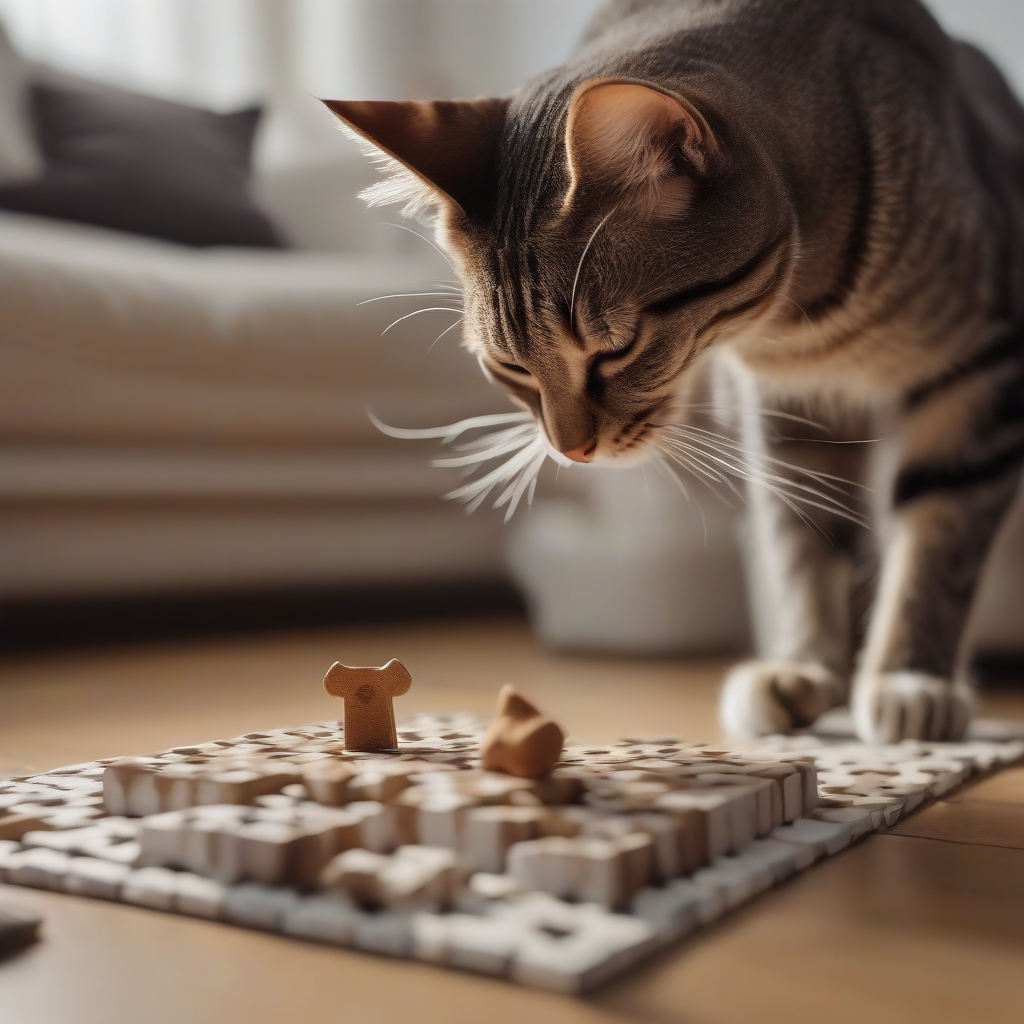
Discover the power of scent training to boost your cat's mental sharpness and behavioral balance. In this article, you'll find comprehensive information on cats' world of scent, the vital benefits of scent training, and scientific techniques you can apply at home.


Discover the neurobiological signals of hidden stress your newly adopted cat experiences during adaptation to a new social environment. This article reveals 5 insidious signs of your cat's silent struggle and scientific strategies for peaceful, long-term harmony.

Your dog's anal sacs, located beneath the tail, can be hidden alarm bells often overlooked but profoundly affecting their quality of life. In this article, you will discover the 5 insidious neurobiological effects of anal sac problems on the brain and the lifesaving care secrets you need to know for your furry friend to live a peaceful life.
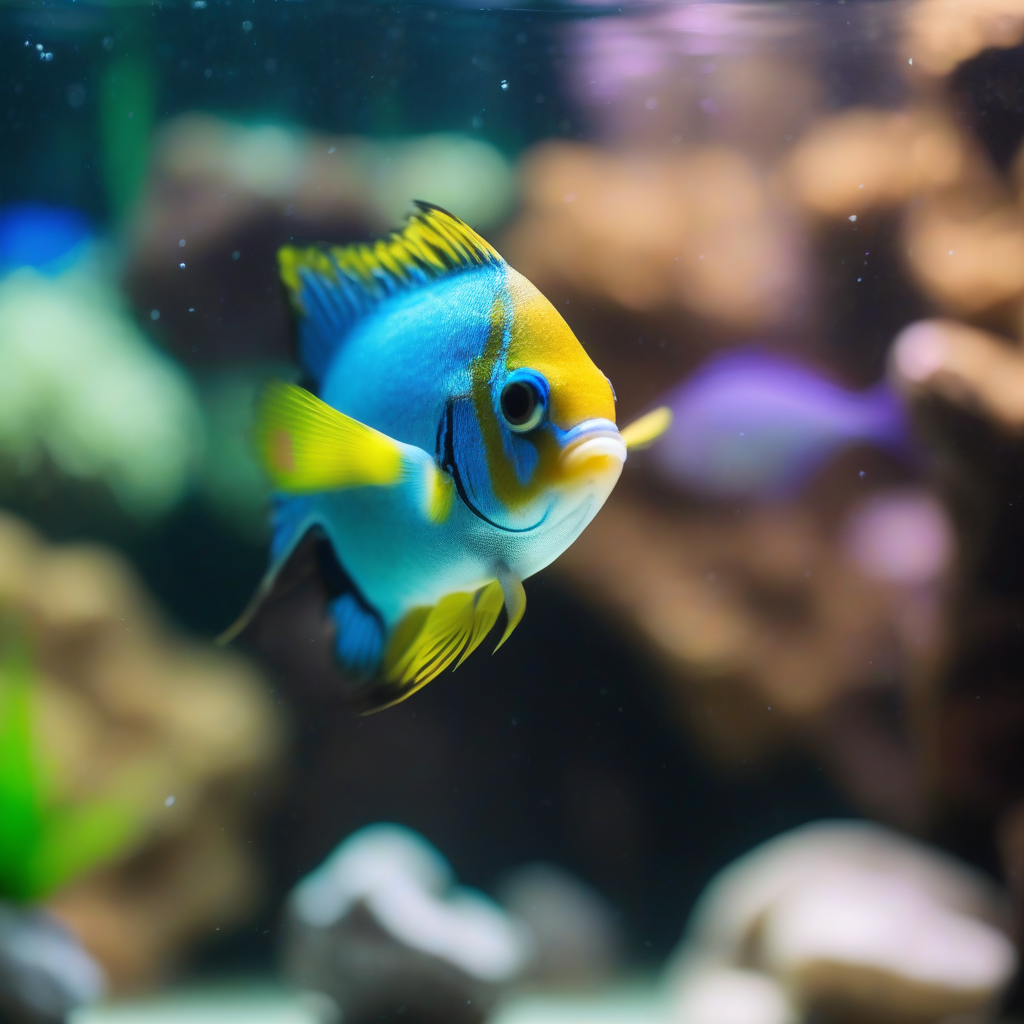
In this article, you will find comprehensive information on the insidious neurotoxic effects of heavy metal poisoning in aquarium fish, its symptoms, and lifesaving emergency intervention codes. This condition, which can arise from household water sources, improper equipment, or neglect, can severely threaten your fish's quality of life and lifespan.
Cats, despite their mysterious and independent nature, are inherently highly intelligent and emotional creatures. While less popular than dog training, cats can also be trained and mentally enriched with the right approach. Especially in March 2026, modern veterinary medicine emphasizes the impact of cats' powerful, sometimes even dominant, sense of smell – as much as sight and hearing – on mental development and behavioral balance. In this article, we will delve into how cats can experience an intelligence boom using their olfactory abilities, how behavioral problems can be resolved, and how you can offer your cat a happier life through these invisible senses.
For cats, the world presents a much richer palette of scents than for humans. With approximately 200 million olfactory receptors in their noses, compared to only 5 million in humans, their sense of smell is profoundly superior. Furthermore, thanks to their Jacobson's organ (vomeronasal organ), they can detect pheromones and other chemical signals. This means cats can 'smell' not just a scent, but the story behind it, the marks left by other cats, the traces of potential prey, and even a human's mood. This exceptional sense of smell influences every aspect of cats, from their hunting instincts and social interactions to stress management and territorial marking.
Understanding this complex world of feline scents allows us to form a deeper bond with them and meet their mental needs appropriately. Developments in this area are continuously researched by animal behaviorists and veterinarians, exploring topics such as New Generation Scent Games and Mental Stimulation in Pets – Connecting Through Nose Work and Developing Intelligence.
Scent training for cats is not just a fun activity; it's a therapeutic method offering significant mental and behavioral benefits. These brain-engaging exercises bring about many positive effects:
Cats are quite sensitive to changes. A new home, a new person, or even rearranged furniture can be a source of stress. Scent activities help reduce stress by distracting cats and satisfying their natural hunting instincts. Focused scent work can have a calming effect and can be an important tool for cats in areas such as boosting mental sharpness and behavioral balance.
Cats that don't receive sufficient mental stimulation may exhibit destructive behaviors due to boredom, such as scratching furniture, excessive meowing, or even inappropriate urination. Scent games can redirect this energy into a positive outlet, preventing undesirable behaviors. This situation provides cognitive and behavioral enrichment in cats through principles similar to cognitive development studies in different species, such as Advanced Cognitive Training in Aquarium Fish.
Just like humans, cats' cognitive functions can decline with age. Regular scent training can help delay cognitive decline by keeping your cat's brain active. This improves their problem-solving abilities and keeps them more engaged with their environment.
Engaging in scent games together is an excellent way to build a strong bond of trust and understanding between you and your cat. These interactions enhance your cat's attachment to you, while also helping you better understand their behaviors and needs.
Starting scent training with your cat is quite easy and doesn't require expensive equipment. Here are some techniques you can apply at home:
Put a drop of a scent your cat loves (e.g., catnip oil or the smell of a favorite food) on a small cotton swab. Create a short trail with this swab around the house and place a treat at the end of the trail. Allow your cat to follow the trail. Start with short and easy trails, gradually increasing the difficulty.
Introduce a specific scent to your cat (e.g., vanilla extract or a lavender oil – ensuring it's safe for cats, of course). Dab this scent onto a box or a small object and let your cat find it. Reward them when they do. Over time, increase the difficulty by hiding the scent in different places.
Veterinarians increasingly emphasize the positive effects of scent training on cats. This is not just recreation, but also a proactive health management strategy:
Integrating scent training into your cat's daily routine is key to offering them a more meaningful, happy, and healthy life. Talk to your veterinarian to learn more about scent exercises appropriate for your cat's age and health condition. Remember, a happy cat is a healthy cat, and a mentally stimulated cat will continue to be your best friend.
