
In this article, you will find comprehensive information on current care strategies for a fast and healthy recovery for your pets after surgery, home care tips, and the importance of veterinary collaboration in 2026.


Discover the neurobiological signals of hidden stress your newly adopted cat experiences during adaptation to a new social environment. This article reveals 5 insidious signs of your cat's silent struggle and scientific strategies for peaceful, long-term harmony.

Your dog's anal sacs, located beneath the tail, can be hidden alarm bells often overlooked but profoundly affecting their quality of life. In this article, you will discover the 5 insidious neurobiological effects of anal sac problems on the brain and the lifesaving care secrets you need to know for your furry friend to live a peaceful life.
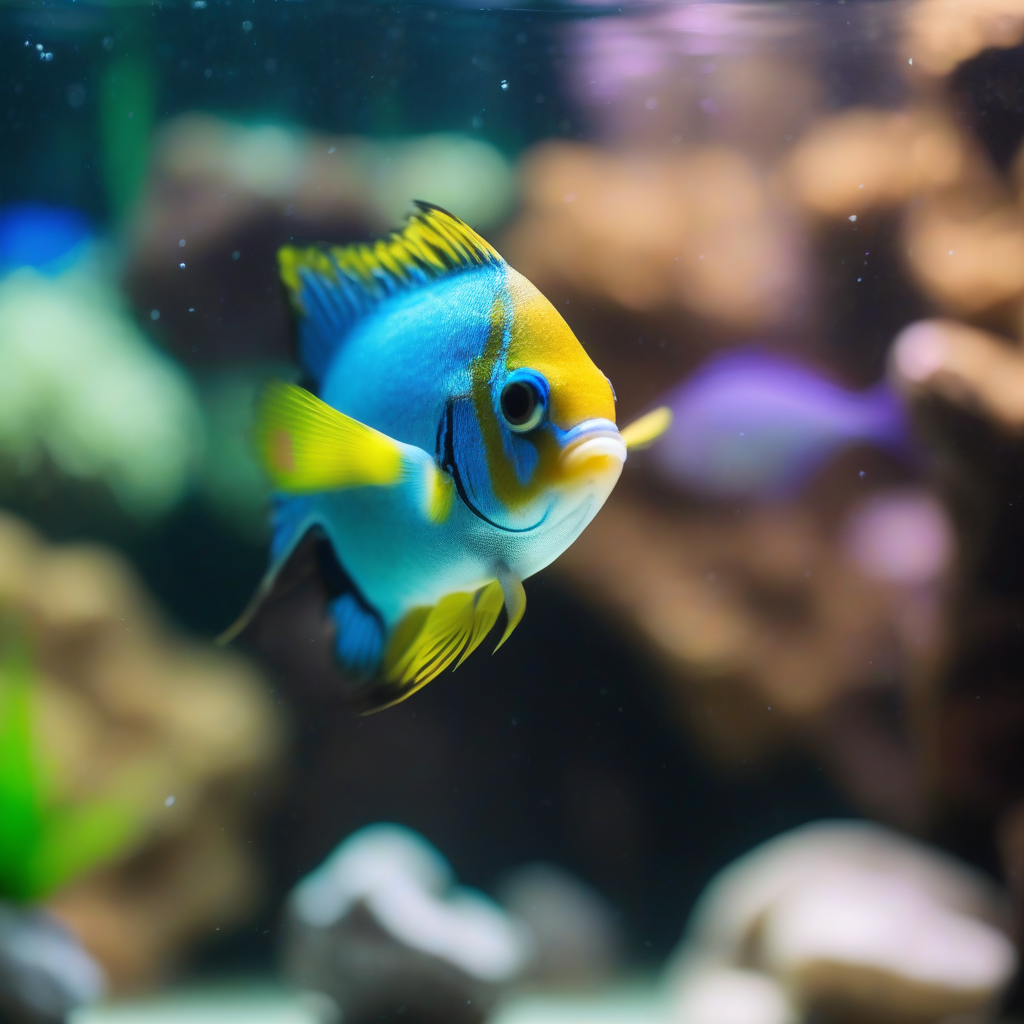
In this article, you will find comprehensive information on the insidious neurotoxic effects of heavy metal poisoning in aquarium fish, its symptoms, and lifesaving emergency intervention codes. This condition, which can arise from household water sources, improper equipment, or neglect, can severely threaten your fish's quality of life and lifespan.
Surgical operations for our beloved pets can be life-saving or life-enhancing critical steps. However, the recovery process following a successful operation is a period that requires as much care and attention as the surgery itself. As of March 2026, veterinary medicine is offering new approaches and technologies to make post-surgical care more comfortable, faster, and more effective. This guide covers current strategies to help you manage your dear companion's post-operative journey in the best possible way.
The first few hours after the operation are when your pet's vital signs stabilize and the effects of anesthesia diminish. Your veterinarian will determine the appropriate discharge time based on your pet's condition. When you return home, remember that your pet may still be groggy, sleepy, or restless. This is normal. Make sure you get detailed information from your veterinarian about expected behaviors after returning home, potential signs of complications, and emergency contact numbers.
Providing a calm, clean, and comfortable environment is crucial for your pet's recovery process.
Post-surgical pain can negatively impact the recovery process and restrict your pet's mobility. Modern veterinary medicine offers various methods to minimize our pets' pain. Your veterinarian may prescribe oral medications, injections, or patch-form pain relievers to manage your pet's pain. It is crucial to administer these medications regularly and according to your veterinarian's instructions. Closely monitor for signs of pain (loss of appetite, whining, hiding, aggression, excessive licking of the surgical site, reluctance to move) and consult your veterinarian if you have any concerns. Effective pain control helps your pet recover faster and return to their normal behaviors.
Keeping the surgical site clean and dry reduces the risk of infection. Your veterinarian will provide specific instructions regarding wound cleaning and dressing changes.
Proper post-surgical nutrition accelerates the healing process and supports the immune system. Your veterinarian may recommend specially formulated prescription diets for the recovery period. These diets are typically high in protein, easily digestible, and enriched with nutrients that support healing. Water consumption is also critically important; always provide fresh and clean water. In cases of appetite loss, you can get information from your veterinarian about appetite stimulants or different feeding methods. Especially during the post-operative period, functional foods and targeted supplements can provide innovative support for optimal health.
Activity restriction during the post-operative period is vital for protecting healing tissues and preventing complications. Limit sudden movements, jumping, or climbing stairs for the duration specified by your veterinarian. Short, leashed walks may be appropriate, but always with your veterinarian's approval. As recovery progresses, a gradual transition to controlled activity will be made.
After some operations, physical rehabilitation and advanced therapy methods may be necessary for your pet to regain full function. Hydrotherapy, laser therapy, massage, or specific exercises can increase muscle strength, restore joint mobility, and accelerate healing. Your veterinarian will guide you on this matter. These therapies can help your pet return to normal activity levels more quickly and safely.
The post-surgical period can be stressful and anxiety-inducing for your pet. Providing them with extra attention and affection, maintaining their routines as much as possible, and ensuring a calm environment will aid their emotional recovery. It is important to watch for signs of stress that may arise due to pain or restricted movement caused by the operation. For animals showing signs of stress and anxiety, anxiety management strategies can be implemented. Calming pheromone sprays, special toys, or behavioral therapies recommended by your veterinarian can help. Gentle communication and providing a sense of security will be a great support during their recovery.
Regular veterinary check-ups are indispensable for closely monitoring the recovery process. During these check-ups, your veterinarian will assess the wound's condition, remove sutures, and check overall health. Detecting any unexpected situation early can prevent more serious complications.
Modern veterinary medicine approaches our pets' health with holistic health and integrated care approaches. The post-surgical period is also a part of this holistic approach. Every step, from nutrition to psychology, physical activity to medical follow-up, aims for your pet's optimal recovery.
Your pet's post-surgical care is a process that requires patience, diligence, and close collaboration with your veterinarian. With current approaches in 2026, armed with the right information and preparation, you can ensure your beloved friend undergoes a fast and comfortable recovery, helping them return to healthy and happy days. Remember, the best care is always personalized care implemented according to your veterinarian's advice. Making your pet feel your constant presence during their recovery is the most valuable support you can offer.
