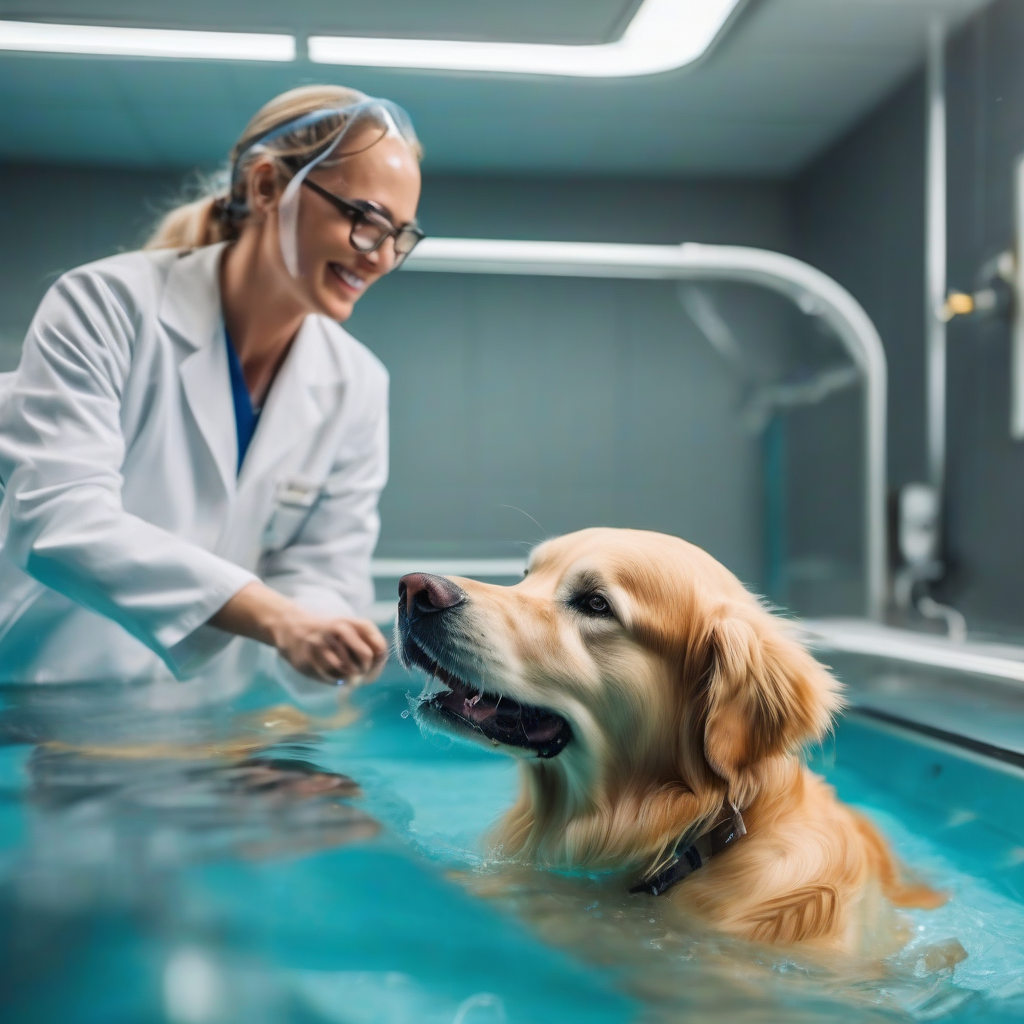
In this article, you will find comprehensive information on the importance of pet physical rehabilitation, advanced therapy methods applied, and strategies to improve our pets' quality of life in March 2026. Discover how rehabilitation makes a difference in areas ranging from post-injury recovery to chronic pain management.


Discover the neurobiological signals of hidden stress your newly adopted cat experiences during adaptation to a new social environment. This article reveals 5 insidious signs of your cat's silent struggle and scientific strategies for peaceful, long-term harmony.

Your dog's anal sacs, located beneath the tail, can be hidden alarm bells often overlooked but profoundly affecting their quality of life. In this article, you will discover the 5 insidious neurobiological effects of anal sac problems on the brain and the lifesaving care secrets you need to know for your furry friend to live a peaceful life.
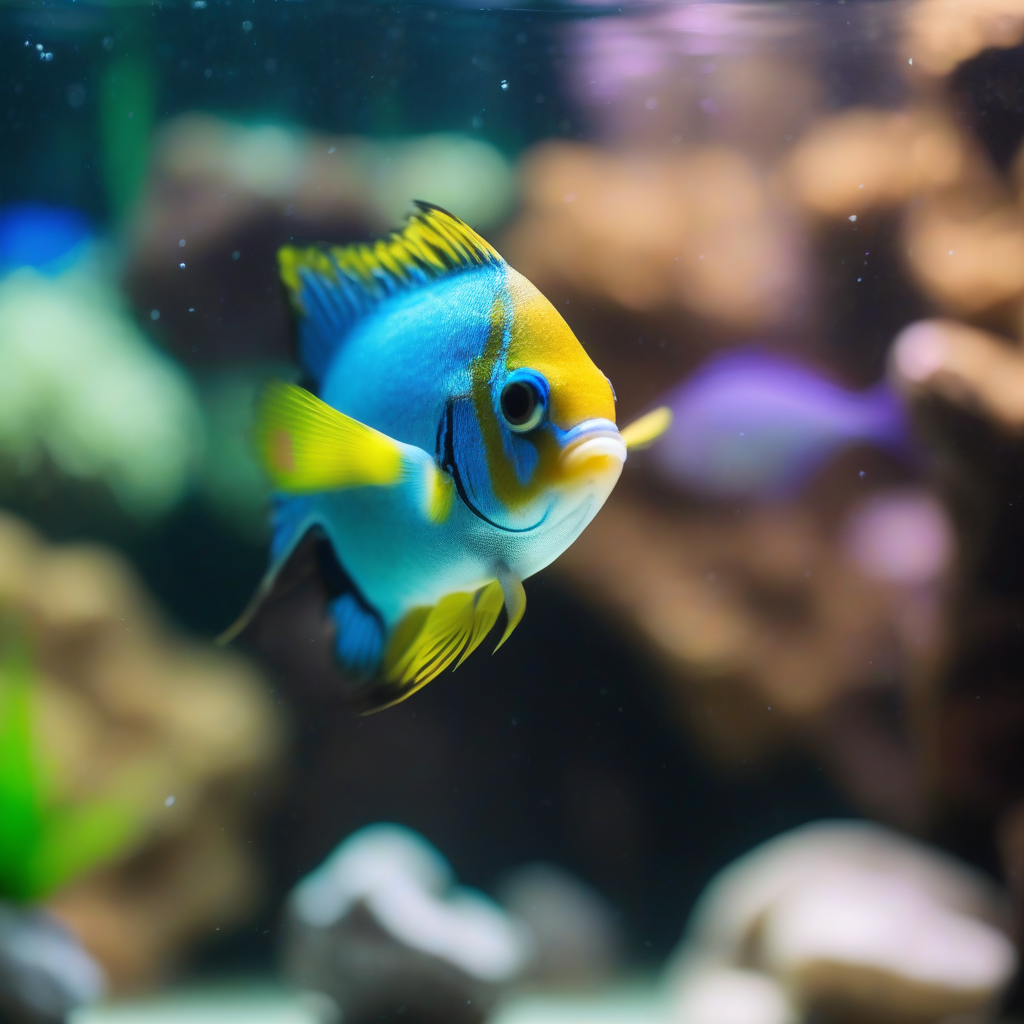
In this article, you will find comprehensive information on the insidious neurotoxic effects of heavy metal poisoning in aquarium fish, its symptoms, and lifesaving emergency intervention codes. This condition, which can arise from household water sources, improper equipment, or neglect, can severely threaten your fish's quality of life and lifespan.
As we enter March 2026, innovative approaches to our pets' health are gaining more importance than ever. Increased outdoor activities with seasonal transitions, chronic conditions emerging in old age, or unexpected accidents can negatively impact our pets' mobility and quality of life. This is where veterinary physical rehabilitation and advanced therapy methods come into play. This guide thoroughly examines modern rehabilitation approaches that will enable our pets to lead a more active, pain-free, and happy life.
Veterinary physical rehabilitation is a multidisciplinary approach aimed at managing mobility limitations and pain caused by injury, surgery, neurological disorders, chronic diseases like osteoarthritis, or old age. Just like in humans, physical therapy for pets focuses on increasing muscle strength, restoring joint mobility, reducing pain, and improving overall function.
With the energy of March, our pets' desire to spend more time outdoors can bring new risks of injury. At the same time, existing joint problems in animals that were inactive during the winter months may become more pronounced during this period. Therefore, exploring the benefits of physical rehabilitation with a proactive approach is critically important for pet owners.
Physical rehabilitation programs for pets offer a wide range of benefits:
Numerous health problems can significantly benefit from physical rehabilitation programs. The most common ones include:
Modern veterinary rehabilitation encompasses various advanced therapy methods:
Exercises performed on an underwater treadmill or in special pools. The buoyancy of the water reduces the load on joints, while resistance strengthens muscles. It is an indispensable method, especially for pet joint health, offering pain-free movement.
Customized exercises designed to improve muscle strength, balance, coordination, and flexibility based on individual needs. Includes applications like balance balls, obstacle courses, and walking exercises.
A non-invasive method that promotes healing at a cellular level, reducing pain and inflammation. It is particularly effective for chronic pain and wound healing.
Uses electrical currents for muscle stimulation (NMES) or pain relief (TENS). Helps prevent muscle atrophy and manage pain.
Based on traditional Chinese medicine, this method involves inserting thin needles into specific points to help reduce pain, accelerate healing, and enhance overall well-being. It is a complementary treatment, especially for chronic pain and neurological issues.
Hands-on techniques such as massage, joint mobilization, and stretching exercises. They relieve muscle spasms, improve blood flow, and increase joint range of motion. These approaches are an important part of your pet's overall holistic health and integrated care philosophy.
A rehabilitation program begins with a detailed assessment by a veterinarian or a certified veterinary rehabilitation specialist. Based on this assessment, a personalized treatment plan is created to meet your pet's specific needs. While treatments are usually performed in a clinical setting, exercises and care recommendations that can be continued at home are an integral part of the program. Progress is evaluated through regular follow-up sessions, and the plan is updated as needed. The rehabilitation process also has positive effects on your pet's behavioral adjustment and mental stimulation, as reduced physical discomfort also improves their mood.
In March 2026 and beyond, physical rehabilitation and advanced therapy methods play an indispensable role in improving our pets' quality of life. Whether they are recovering from an injury or coping with a chronic condition, a professional rehabilitation program provides them with the necessary support to lead a more active, pain-free, and happy life. Remember, consulting your veterinarian about any changes you observe in your pet's mobility or behavior is the most important step for early intervention.
