
In this article, you will find up-to-date strategies for managing pet obesity in March 2026, including healthy nutrition and exercise guides, risks, and prevention methods.


Discover the neurobiological signals of hidden stress your newly adopted cat experiences during adaptation to a new social environment. This article reveals 5 insidious signs of your cat's silent struggle and scientific strategies for peaceful, long-term harmony.

Your dog's anal sacs, located beneath the tail, can be hidden alarm bells often overlooked but profoundly affecting their quality of life. In this article, you will discover the 5 insidious neurobiological effects of anal sac problems on the brain and the lifesaving care secrets you need to know for your furry friend to live a peaceful life.
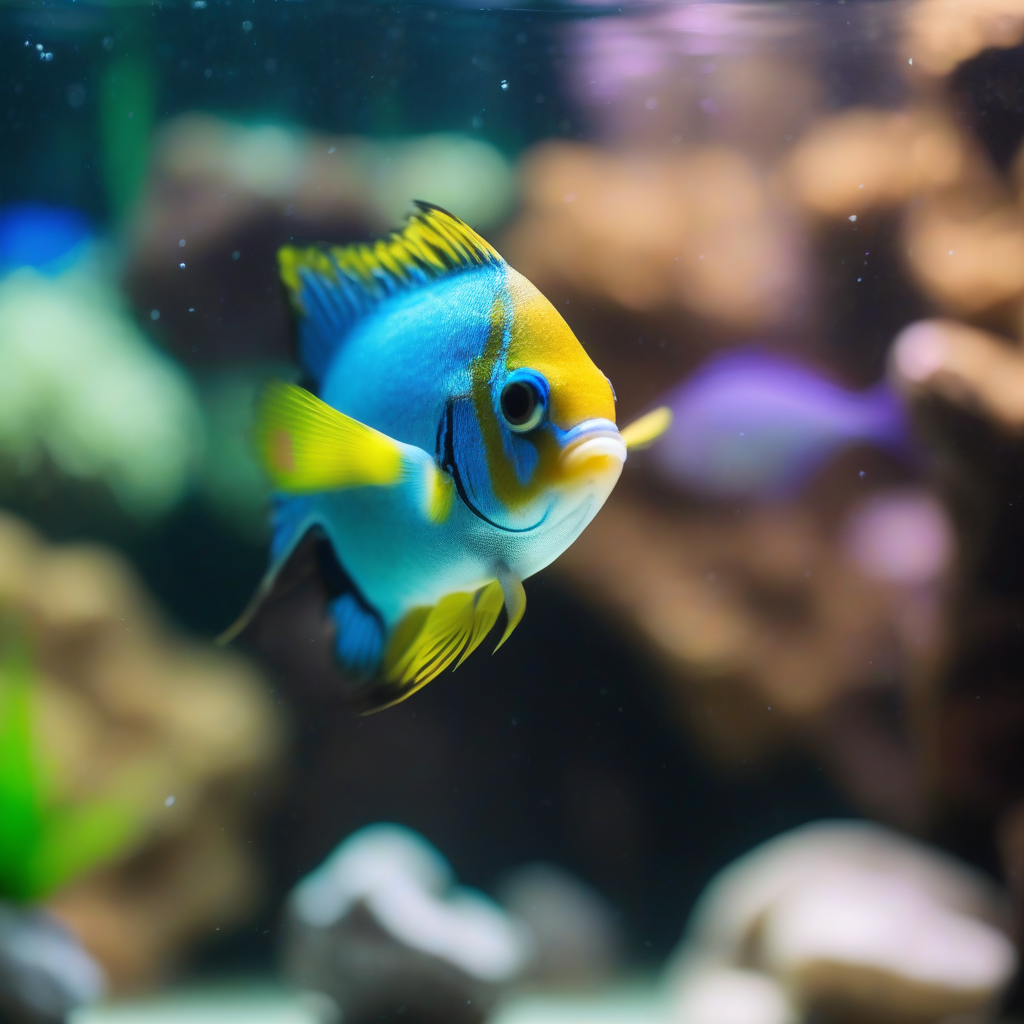
In this article, you will find comprehensive information on the insidious neurotoxic effects of heavy metal poisoning in aquarium fish, its symptoms, and lifesaving emergency intervention codes. This condition, which can arise from household water sources, improper equipment, or neglect, can severely threaten your fish's quality of life and lifespan.
As of March 2026, it's time for a fresh start with our furry friends after the inactivity of winter. Sunny days and increased outdoor activities offer great opportunities for our pets' physical and mental health, yet there's a significant health issue often overlooked by many pet owners: obesity. Pet obesity globally remains one of the most common problems encountered by veterinarians, but it's often not taken seriously enough. In this guide, we will explore strategies for identifying, preventing, and managing pet obesity with 2026's current approaches.
Pet obesity is more than just an aesthetic issue; it's a chronic disease that carries serious health risks. Excess weight diminishes your pet's quality of life and shortens their lifespan. According to 2026 data, the main health problems associated with obesity include:
The most reliable way to determine if your pet is at their ideal weight is through a veterinary assessment. However, there are some observations you can make at home. A Body Condition Score (BCS) scale from 1 to 9 is used (5 being ideal):
The factors contributing to obesity are complex and not limited solely to overfeeding:
Helping your pet reach and maintain their ideal weight is possible with a committed plan and the support of your veterinarian. Here are 2026's prominent strategies:
The foundation of a weight loss program is proper nutrition. Your veterinarian will create a calorie-controlled diet plan tailored to your pet's age, breed, activity level, and current health status. Special diet foods or portion control are critically important. Furthermore, a healthy pet gut microbiome can support weight management.
With the arrival of March, weather conditions become more suitable for outdoor activities. Exercise not only burns calories but also improves your pet's mental well-being.
Boredom can lead to your pet becoming inactive or overeating due to stress. Mental stimulation helps burn calories and prevents behavioral problems.
Weight management is a process. Regular check-ups with your veterinarian are vital to monitor progress, adjust the plan as needed, and detect any underlying health issues early.
Pet obesity remains a significant health issue to be addressed in 2026. However, with the right strategies, determination, and your veterinarian's guidance, you can ensure your furry friends lead healthier, happier, and more active lives. Turn this new season, starting with March, into a fit and energetic beginning for your pet. Remember, a healthy weight is the key to a long and quality life.
