
WikiPet Logo
WikiPet
Encyclopedia
WikiPet Logo
WikiPet

Mırmır-powered, expert-approved, open-source the most comprehensive information platform for your pet friends.

Encyclopedia

  • Dog
  • Bird
  • Rabbit
  • Hamster

Resources

  • Mırmır
  • For Veterinarians
  • About Us
  • FAQ

Legal

  • Terms of Service
  • Privacy Policy
  • Cookie Policy

© 2026 WikiPet. All rights reserved.

Developed with love

March 2026: Your Pet's Eye and Ear Health – Spring Detox and Protective Care
  1. Home
  2. Wiki
  3. March 2026: Your Pet's Eye and Ear Health – Spring Detox and Protective Care

March 2026: Your Pet's Eye and Ear Health – Spring Detox and Protective Care

This article provides a comprehensive guide to protecting and revitalizing your pets' eye and ear health against the changes brought by the spring season, as of March 2026.


WikiPet
WikiPet
Author
4 min read
March 13, 2026

Table of Contents

Related Articles

Your Cat's 'Silent Adaptation Nightmare': 5 Insidious Neurobiological Signs of Social Stress in a New Home and Scientific Secrets for Long-Term Harmony!

Your Cat's 'Silent Adaptation Nightmare': 5 Insidious Neurobiological Signs of Social Stress in a New Home and Scientific Secrets for Long-Term Harmony!

Discover the neurobiological signals of hidden stress your newly adopted cat experiences during adaptation to a new social environment. This article reveals 5 insidious signs of your cat's silent struggle and scientific strategies for peaceful, long-term harmony.

September 16, 2026
Your Dog's 'Hidden Scent Gland Alarm': 5 Insidious Neurobiological Effects of Anal Sac Problems on the Brain and Lifesaving Care Secrets!

Your Dog's 'Hidden Scent Gland Alarm': 5 Insidious Neurobiological Effects of Anal Sac Problems on the Brain and Lifesaving Care Secrets!

Your dog's anal sacs, located beneath the tail, can be hidden alarm bells often overlooked but profoundly affecting their quality of life. In this article, you will discover the 5 insidious neurobiological effects of anal sac problems on the brain and the lifesaving care secrets you need to know for your furry friend to live a peaceful life.
September 15, 2026
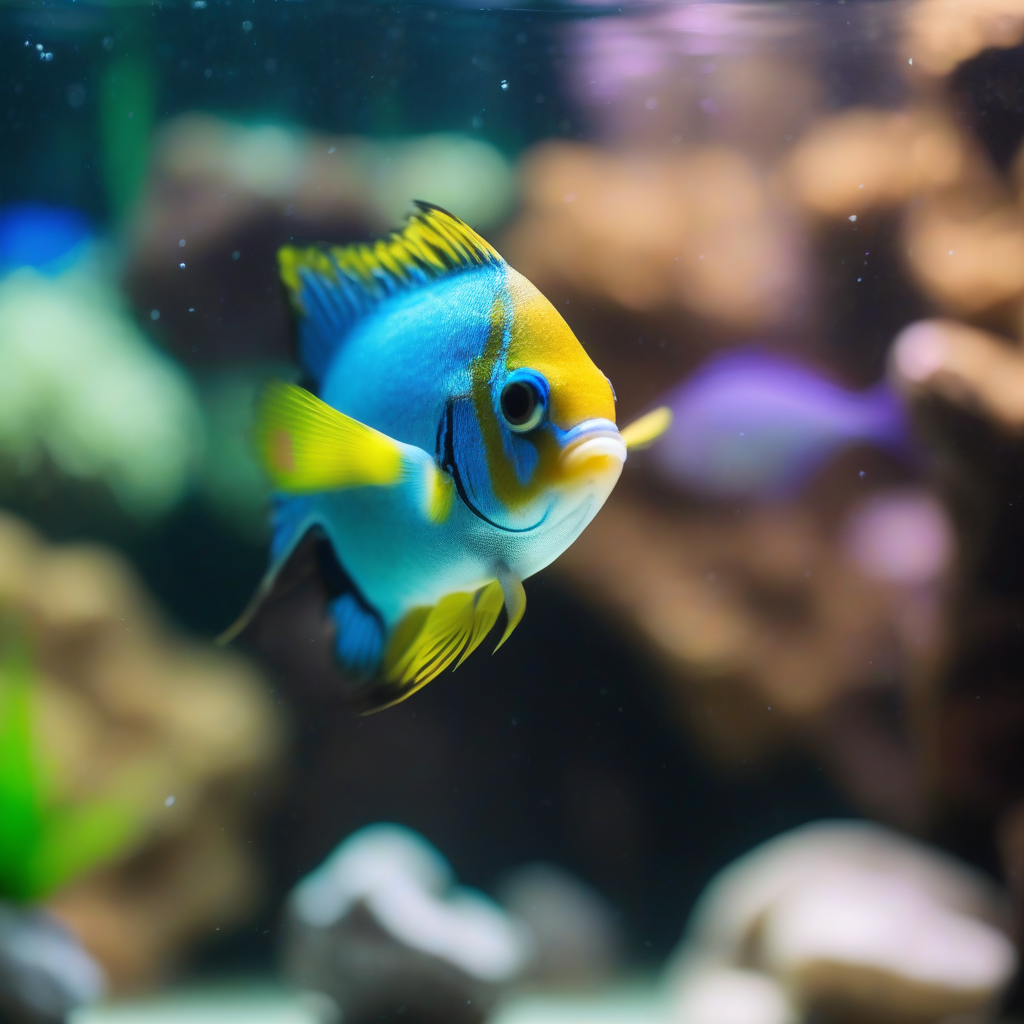
Your Fish's Brain's 'Insidious Heavy Metal Dance': 5 Neurotoxic Effects of Acute Poisoning and Lifesaving Emergency Intervention Codes!

Your Fish's Brain's 'Insidious Heavy Metal Dance': 5 Neurotoxic Effects of Acute Poisoning and Lifesaving Emergency Intervention Codes!

In this article, you will find comprehensive information on the insidious neurotoxic effects of heavy metal poisoning in aquarium fish, its symptoms, and lifesaving emergency intervention codes. This condition, which can arise from household water sources, improper equipment, or neglect, can severely threaten your fish's quality of life and lifespan.

September 15, 2026

March 2026: Your Pet's Eye and Ear Health – Spring Detox and Protective Care

As we enter March 2026, the awakening of nature and the changes brought by seasonal transitions can also affect the health of our beloved pets. Particularly sensitive areas like the eyes and ears require extra attention and care during this period. In this guide, you will find expert advice on how to protect your pets' eye and ear health with the renewal brought by spring.

Why is Eye Health Important in Spring?

Seasonal changes lead to an increase in airborne pollen. This can trigger allergic reactions in many pets, including cats and dogs. Problems such as redness, itching, watery eyes, and conjunctivitis are more common during this season. Furthermore, increased humidity and warmth can create a favorable environment for bacterial and viral infections.

Common Eye Problems and Their Symptoms:

  • Allergic Conjunctivitis: Redness, watering, itching, and sometimes swelling of the eyes.
  • Bacterial Infections: Yellow or green discharge from the eyes, crusting, eyelids sticking together.
  • Foreign Bodies: Sudden redness in the eye, constant blinking, desire to rub the eye.
  • Dry Eye (Keratoconjunctivitis Sicca): Dryness, dullness, inflammation, and vision problems in the eyes.

Preventive Care and Measures:

  1. Pollen Alert: Limit your pet's outdoor time on days with high pollen counts in spring. Gently clean their paws and face upon returning home.
  2. Clean Environment: Perform regular cleaning to reduce dust and allergens in your home. Air purifiers can also be beneficial.
  3. Eye Cleaning: Gently clean the area around your pet's eyes regularly with special eye cleansing solutions recommended by your veterinarian. Use cotton balls or lint-free wipes.
  4. Using Eye Drops: Do not use any drops without consulting your veterinarian if you notice signs of allergic reactions. Seek professional help for accurate diagnosis and treatment.
  5. Nutritional Support: Supplements like Omega-3 fatty acids can contribute to their overall health by supporting eye health. You can review our article Functional Foods and Targeted Supplements for Pets: Innovative Approaches for Optimal Health in Spring 2026 for more information.

Spring Ear Health: Hidden Dangers and Precautions

Seasonal changes can also increase the risk of ear infections. Increased humidity and heat create an ideal environment for the multiplication of microorganisms in the ear canal. Spring is a period that requires attention for ear health, especially for dogs who love to swim or breeds with predisposed ear structures.

Common Ear Problems and Their Symptoms:

  • Ear Infection (Otitis Externa): Itching, head shaking, tilting the head, redness, bad odor, and dark discharge from the ear.
  • Parasites (Mites, etc.): Intense itching, hair loss, crusting on and inside the ear flap.
  • Foreign Bodies: Sudden discomfort, playing with the ear, head shaking.

Effective Ear Care and Protection Methods:

  1. Regular Check-ups: Visually inspect your pet's ears at least once a week. Look for signs of redness, bad odor, or discharge.
  2. Proper Cleaning: Use ear cleaners recommended by your veterinarian that dissolve earwax and have antiseptic properties. Be gentle with the ear canal during cleaning and never insert any foreign objects.
  3. Moisture Control: Thoroughly dry your pet's ears after bathing or swimming. Moist ears invite bacterial and fungal growth.
  4. Allergy Management: If your pet has an allergic constitution, ear infections may recur. For allergy management, refer to the nutritional and care recommendations in our article March 2026 Pet Trends: Comprehensive Guide for an Energetic Spring Start.
  5. Professional Help: If you notice any problems in the ear, contact your veterinarian immediately. Early diagnosis increases treatment success and prevents chronicity. Our article March 2026: The Rise of Specialist Veterinary Care in Pets – A Guide to Exploring Advanced Diagnostics and Treatment Options details the latest developments in this area.

General Health and Immune System Support

Spring is a time when your pets' general energy levels increase. To ensure they can utilize this energy healthily, it's important to keep their immune systems strong. A balanced diet, sufficient exercise, and regular veterinary check-ups will support their overall health, especially their eye and ear health.

Remember that your pet's eye and ear health is of critical importance to their overall quality of life. The precautions you take as spring arrives will ensure your beloved companion has a healthy and happy time during this vibrant season.
