
In this article, you will find comprehensive information about current trends in the pet world as of March 2026, along with health, nutrition, and care recommendations for spring.


Discover the neurobiological signals of hidden stress your newly adopted cat experiences during adaptation to a new social environment. This article reveals 5 insidious signs of your cat's silent struggle and scientific strategies for peaceful, long-term harmony.

Your dog's anal sacs, located beneath the tail, can be hidden alarm bells often overlooked but profoundly affecting their quality of life. In this article, you will discover the 5 insidious neurobiological effects of anal sac problems on the brain and the lifesaving care secrets you need to know for your furry friend to live a peaceful life.
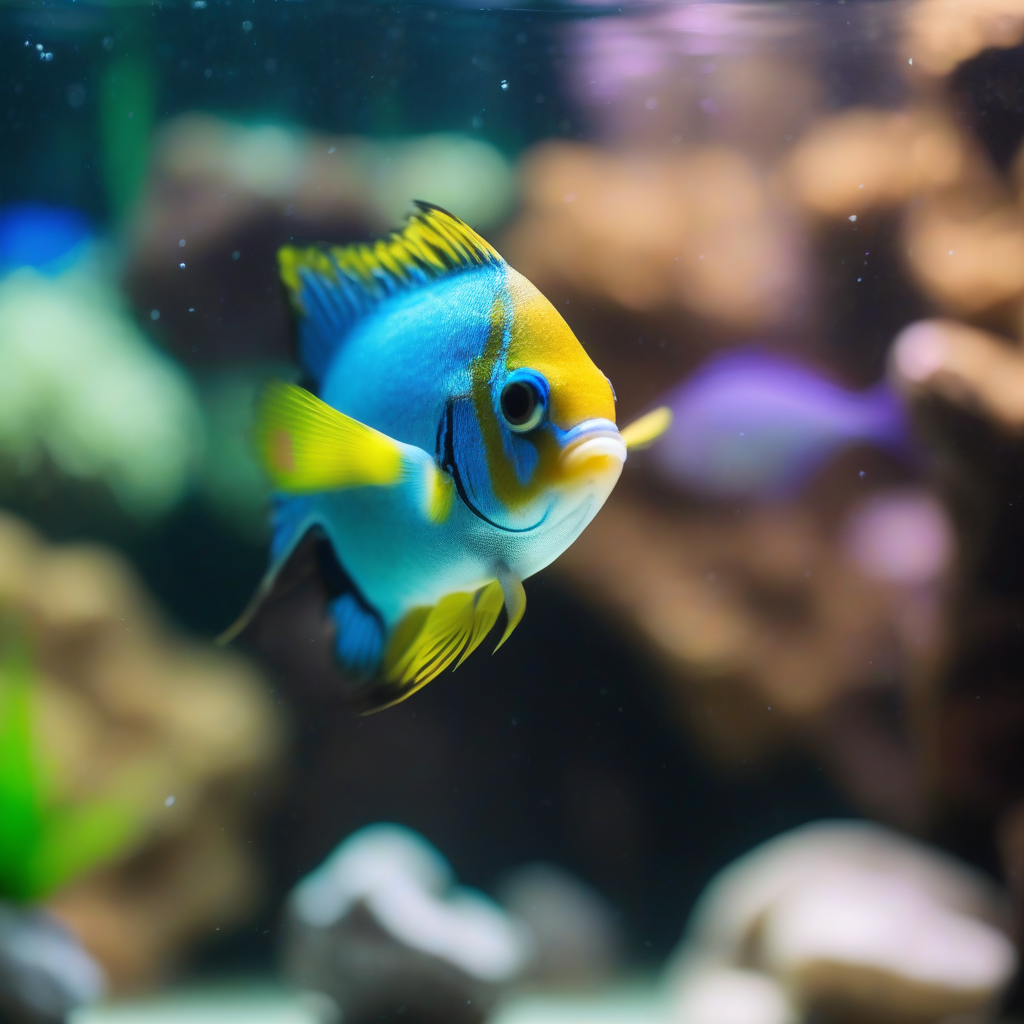
In this article, you will find comprehensive information on the insidious neurotoxic effects of heavy metal poisoning in aquarium fish, its symptoms, and lifesaving emergency intervention codes. This condition, which can arise from household water sources, improper equipment, or neglect, can severely threaten your fish's quality of life and lifespan.
As we enter March 2026, the agenda for pet owners is filled with spring innovations and health trends. Changes in weather, the awakening of nature, and the increase in our pets' life energy are leading to significant shifts in our care routines and preferences. At WikiPet, we have compiled the latest information and professional veterinary advice for this seasonal transition.
Spring signifies a period of revitalization and energy for our pets. However, this season can also bring certain health risks. Seasonal allergies, increased parasites, and potential discomforts due to weather changes should not be overlooked.
Supporting our pets' immune systems is the most effective defense against the challenges of spring. With balanced nutrition, adequate hydration, and seasonal supplements (after consulting your veterinarian), you can strengthen your pet's defense mechanisms. Probiotic and prebiotic supplements, popular in March 2026, play a key role in optimizing gut health and supporting overall immunity.
Our related article: March 2026: Boost Your Pet's Immune System and Prepare for Spring Risks
The increase in pollens and other environmental allergens in spring can lead to allergic reactions and skin problems in pets. Itching, redness, and hair loss are common symptoms. During this period, hypoallergenic shampoos, supplements that strengthen the skin barrier, and, if necessary, allergy medications recommended by your veterinarian can be used. Regular grooming and bathing help in removing allergens.
Our related article: Spring 2026: Revolutionizing Your Pet's Coat and Skin Health – Next-Gen Care Secrets for Shiny Fur and Healthy Skin
Seasonal transitions can also lead to changes in pets' nutritional needs. Increased activity levels and metabolic changes in spring may require a review of their feeding plans.
In 2026, functional foods and targeted supplements continue to be prominent in pet nutrition. Particularly popular are foods containing glucosamine and chondroitin to support joint health, probiotics to regulate the digestive system, and supplements rich in omega-3 fatty acids. With your veterinarian's recommendation, you can choose products formulated for your pet's specific needs.
Our related article: Functional Foods and Targeted Supplements for Pets: Innovative Support for Optimal Health in Spring 2026
Advanced technologies such as genetic testing and microbiome mapping are increasingly used in creating personalized nutrition plans for pets. These approaches ensure more effective health management by identifying the most suitable nutrients for individual needs.
Our related article: Spring 2026: Personalized Nutrition Supported by Genetic Testing in Pets – Innovative Approaches for Optimal Health
The increased activity levels with the arrival of spring also affect the mental health and behavior of our pets. The need for more exercise and mental stimulation arises.
Smart toys and AI-powered games are increasing in popularity for supporting pets' mental fitness. These activities prevent boredom and improve cognitive abilities. The vibrant spring weather offers great opportunities for play and exercise by increasing outdoor time.
Our related article: March 2026: Smart Toys for Your Pet's Mental Fitness – AI-Powered Brain Exercises and Next-Gen Play Guide
Especially for young pets, spring is a critical period for socialization and adapting to new experiences. Park visits, controlled interactions with other pets, and exposure to new environments help them develop social skills. However, it is important to avoid overstimulation and always ensure a safe environment.
Our related article: Optimal Development and Socialization in Young Pets: Laying Healthy Foundations in Spring 2026
Spring is an ideal time to reorganize living spaces, both indoors and outdoors, and update grooming routines.
For indoor pets, environmental enrichment is key to increasing their happiness and vitality. A stimulating habitat with climbing structures, hiding spots, interactive toys, and natural materials reduces stress and prevents behavioral problems.
Our related article: Spring 2026: Environmental Enrichment for Indoor Pets – Keys to Happiness and Vitality at Home
Blooming flowers in spring and chemicals used in gardens can pose potential poisoning risks for our pets. Reviewing indoor plants, identifying toxic species, and safely storing garden products are vital.
Our related article: Spring 2026: Invisible Dangers for Your Pets – A Protection Guide Against Toxic Plants and Household Chemicals
As we welcome spring with our pets in March 2026, it is important to follow current health trends, review nutritional habits, and optimize their living environments. Remember, a proactive approach and close collaboration with your veterinarian will ensure your pet has the healthiest and happiest start to this energetic season.
