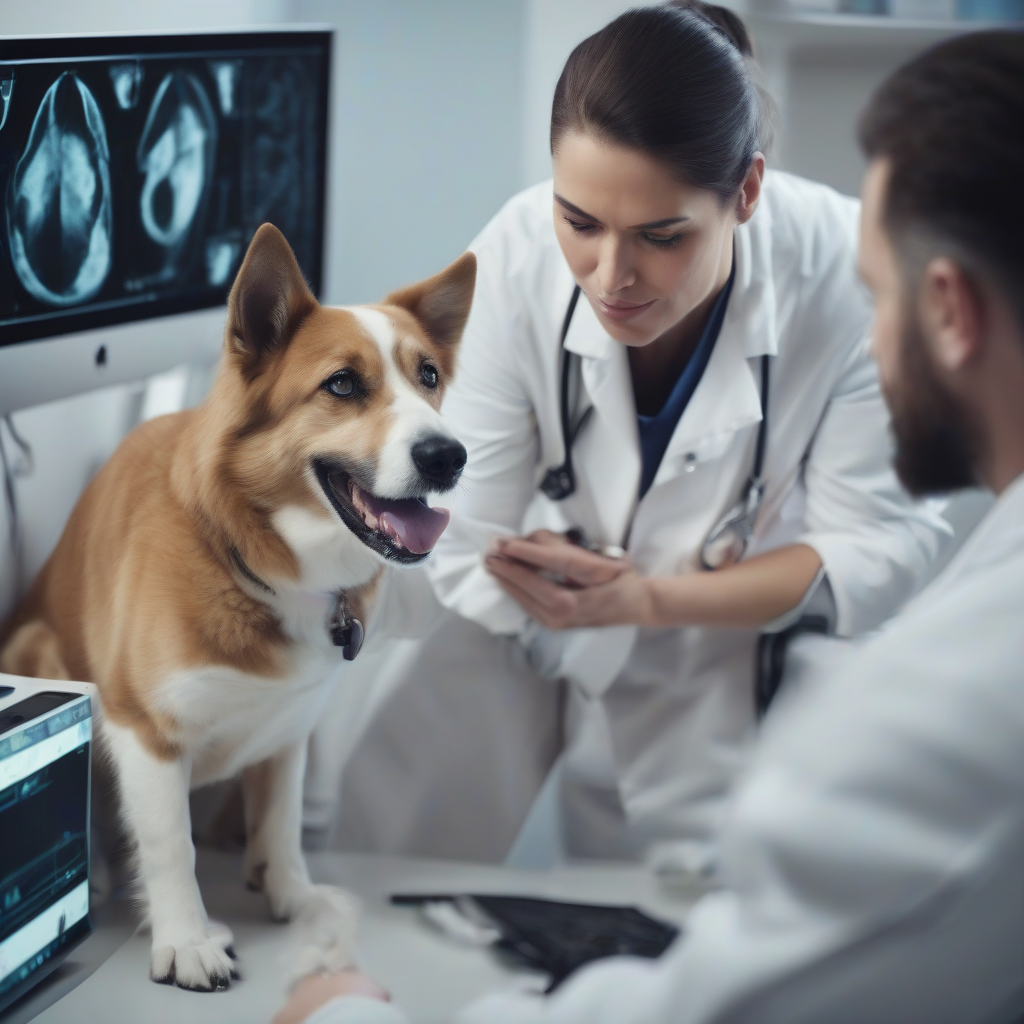
In this article, you will find comprehensive information about the increasing importance of specialist veterinary care, different specialty areas, advanced diagnostic and treatment options, and how to access this specialized care for your pets.


Discover the neurobiological signals of hidden stress your newly adopted cat experiences during adaptation to a new social environment. This article reveals 5 insidious signs of your cat's silent struggle and scientific strategies for peaceful, long-term harmony.

Your dog's anal sacs, located beneath the tail, can be hidden alarm bells often overlooked but profoundly affecting their quality of life. In this article, you will discover the 5 insidious neurobiological effects of anal sac problems on the brain and the lifesaving care secrets you need to know for your furry friend to live a peaceful life.

In this article, you will find comprehensive information on the insidious neurotoxic effects of heavy metal poisoning in aquarium fish, its symptoms, and lifesaving emergency intervention codes. This condition, which can arise from household water sources, improper equipment, or neglect, can severely threaten your fish's quality of life and lifespan.
Today, pets have become an indispensable part of our families, and the importance we attach to their health mirrors our approach to human health. Veterinary medicine is rapidly evolving in parallel with advancements in the medical world, extending beyond general veterinary practice to offer in-depth knowledge and skills in many different specialty areas. As of March 2026, specialized veterinary care for pets plays a critical role in resolving more complex health issues and improving their quality of life.
Veterinary specialists are professionals who, after completing their general veterinary medical education, undergo advanced additional training, internships, and examination processes in a specific field (e.g., cardiology, oncology, surgery) to earn a specialist title. This in-depth knowledge and experience equip them with the ability to diagnose rare diseases, manage complex cases, and apply advanced treatment methods.
While general veterinarians provide a wide range of services such as routine care, vaccinations, and the diagnosis and treatment of common illnesses for our furry friends, specialists possess much deeper knowledge in a specific organ system, disease type, or treatment method. For example, if there is suspicion of a heart condition in a cat, your general veterinarian might refer you to a veterinary cardiologist. The specialist uses advanced techniques to make a more detailed diagnosis of the disease and to create specific treatment plans. Especially in critical conditions, utilizing predictive health analytics services for proactive approaches offers a chance for early intervention.
Consulting a specialist is often the best option when your pet has a chronic illness, a non-healing wound, unexplained symptoms, a condition requiring complex surgery, or if a rare disease has been diagnosed. Referral to a specialist may also occur when your general veterinarian faces challenges in diagnosis or treatment, a second opinion is needed, or more advanced diagnostic methods are required.
The world of veterinary medicine, much like human medicine, is divided into many different fields. Some of the most common specialty areas include:
Veterinary specialists, in addition to their comprehensive knowledge, also have the ability to utilize the latest technology in diagnostic and treatment tools.
In veterinary specialty centers, advanced imaging techniques such as MRI (Magnetic Resonance Imaging), CT (Computed Tomography) scans, advanced ultrasonography, and digital radiography allow for detailed visualization of internal organ problems, tumors, or orthopedic conditions that cannot be seen in a general examination. These techniques form the basis for accurate diagnosis.
Comprehensive blood tests, urinalyses, biopsies, and specialized genetic tests are vital for understanding the origin of diseases and creating personalized treatment plans. Determining genetic predispositions enables the development of preventive medicine approaches.
Specialist surgeons can successfully perform complex operations while providing faster recovery and less pain with minimally invasive surgical techniques (laparoscopy, endoscopy). Such advanced techniques enhance the post-operative comfort of our animal companions.
Modern veterinary medicine is not limited to conventional drug and surgical methods. Innovative approaches such as targeted therapies in cancer treatment, immunotherapy, the regenerative medicine revolution (cell and stem cell therapies), physical therapy, and rehabilitation significantly increase the quality and length of life for our pets.
Specialist veterinary care usually begins with a referral from your general veterinarian. The referral process ensures that your pet's medical history and current condition are conveyed to the specialist. This accelerates the path to accurate diagnosis and treatment. The costs of specialized care may be higher than general veterinary services due to the advanced technology used, the level of expertise, and the complexity of the treatment process. Therefore, having pet health insurance or saving for emergencies can help alleviate the financial burden in such situations.
The rise of specialist veterinary care in pets offers a great opportunity for them to live longer, healthier, and happier lives. Thanks to advanced diagnostic and treatment options, many previously intractable conditions are now manageable. When your pet has a specific health issue, do not hesitate to consult a specialist. Seeking expert support alongside your general veterinarian is the most appropriate approach to make the best decisions for their health and well-being.
