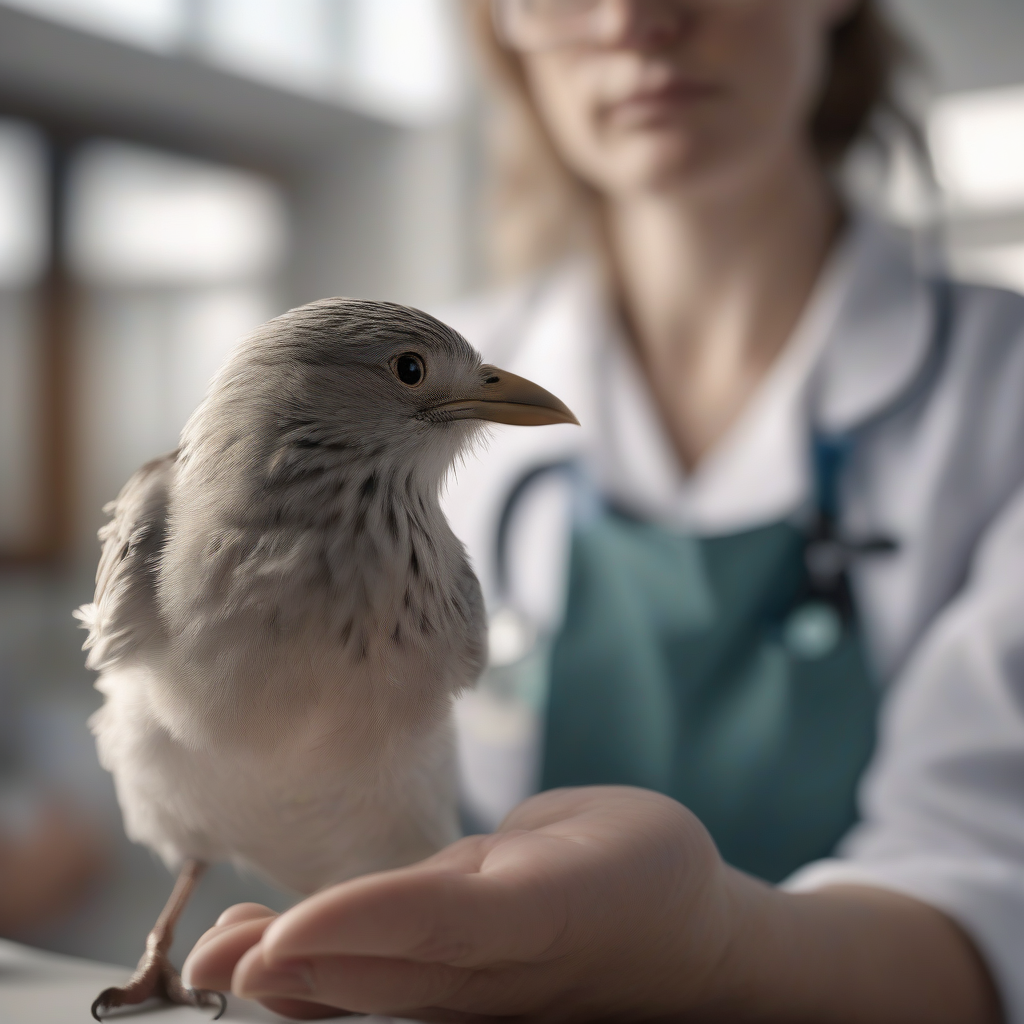
In this article, you will find 5 lesser-known neurobiological signs of life-threatening egg binding in birds and scientific intervention codes to save lives in this emergency.

Acute respiratory obstruction, or choking, in your hamster is one of the most urgent, life-threatening emergencies. In this article, we will delve into the 5 insidious neurophysiological effects of choking on your hamster's brain and the lifesaving emergency intervention codes you can apply in this critical situation. Swift and correct action can save your tiny friend's life.

In this article, we scientifically examine the 'shadow of the past' carried in the brains of rehomed birds, exploring the neurocognitive effects of old home connections and secrets to building lasting trust in their new homes.

Adequate water intake is fundamental for your cat's overall health and especially brain function. This article deeply explores the insidious neurobiological effects of chronic dehydration on your cat's brain and offers lifesaving scientific hydration strategies.
The health of our pet birds is based on a delicate balance that requires careful observation and rapid intervention. One of the most insidious emergencies that can suddenly disrupt this balance, and can be fatal especially for female birds, is egg binding. Egg binding is the inability of a bird to pass an egg normally and often triggers complex neurobiological and physiological processes that are not immediately obvious but profoundly affect the bird's entire system. As of August 2026, owners' awareness of this critical condition can save the lives of our tiny companions.
When a bird experiences egg binding, its body enters a veritable internal war. The egg being stuck in the oviduct is not just a physical obstruction, but a crisis that creates a domino effect on the hormonal, metabolic, and nervous systems. In this article, we will scientifically examine the 5 insidious neurobiological signs behind egg binding and the lifesaving emergency intervention codes you must follow in the face of this vital threat.
One of the most significant yet often overlooked effects of egg binding is the intense internal pain the bird experiences. The stuck egg continuously exerts pressure on the oviduct walls and surrounding tissues, sending severe pain signals. These signals activate pain centers in the bird's brain, leading to the sustained release of stress hormones like cortisol. Chronic stress suppresses the bird's immune system, reduces appetite, and causes changes in its general behavior (lethargy, puffed feathers, remaining motionless at the bottom of the cage). The pain your bird experiences in this state is characterized by increased activity in the brainstem and limbic system, which can make it appear unresponsive or depressed. This condition can be exacerbated when combined with Your Bird's 'Hidden Dehydration Shadow': 5 Insidious Neurophysiological Effects of Chronic Dehydration on the Brain and Lifesaving Hydration Strategies!, as stress increases dehydration.
Significant amounts of calcium are required for eggshell formation. In cases of egg binding, the body cannot withdraw this calcium from egg production or obtain enough. This leads to a decrease in blood calcium levels (hypocalcemia). Calcium is vital for normal nerve cell function, muscle contraction, and heartbeat. Hypocalcemia can lead to severe disruptions in the bird's nervous system, causing tremors, muscle weakness, lack of coordination, and even seizures. The brain rapidly reacts to this calcium deficiency by experiencing disturbances in neuronal transmission, negatively impacting the bird's overall mental vitality. Nutritional deficiencies, such as Your Bird's 'Secret Vitamin A Disaster': 5 Insidious Neurophysiological Effects of Hypovitaminosis A on the Brain and Lifesaving Nutritional Strategies!, can increase the risk of egg binding and further impair calcium metabolism.
The stuck egg creates physical pressure on the intestines, preventing defecation. This leads to a cessation of intestinal motility (movement) and causes toxins to accumulate in the body. This stasis in the intestines promotes the proliferation of harmful bacteria and the release of endotoxins. These toxins enter the bloodstream, reach the brain, and lead to neurotoxic effects. This negative impact on the bird's brain-gut axis can manifest as general lethargy, disorientation, and even signs of shock. Prolonged situations can cause permanent damage to the bird's nervous system.
A large egg occupies significant space in the bird's abdominal cavity, creating physical pressure on the air sacs and lungs. This pressure prevents the bird from breathing at full capacity and restricts adequate oxygen supply to the body (hypoxia). Oxygen deprivation is extremely dangerous for the brain, as the brain requires a constant and high supply of oxygen to maintain normal functions. In hypoxia, brain cells begin to be damaged, which can lead to shortness of breath, open-mouth breathing, exhaustion, and loss of consciousness in the bird. This differs from other respiratory problems like Your Bird's 'Silent Respiratory Crises': 5 Insidious Neurophysiological Effects of Air Sac Mites on the Brain and Lifesaving Scientific Solutions! as it stems from mechanical pressure, but its cerebral effects can be similarly devastating.
Prolonged egg binding places a heavy burden on the bird's overall circulatory system. Continuous pain, stress, dehydration, and toxin accumulation can lead to an increased heart rate, decreased blood pressure, and ultimately, circulatory shock. Shock is a condition where vital organs in the body do not receive adequate blood flow, severely impairing the function of all organs, including the brain. Pale mucous membranes, cold feet, and general collapse are outward manifestations of circulatory shock. The brain is one of the most sensitive organs to insufficient blood flow and rapidly loses its function during shock.
Every second counts when egg binding is suspected. Correct and rapid intervention can save your bird's life.
This is the most critical step. If you suspect egg binding in your bird, seek help from a veterinarian experienced with exotic animals without delay. Attempting to remove the egg yourself should NEVER be done, as it carries the risk of breaking the egg or damaging the bird's internal organs. The veterinarian will confirm the condition with X-rays or palpation and determine the appropriate treatment method. Remember, this is as urgent a situation as Your Bird's 'Red Panic' Moments: 5 Lifesaving First Aid Techniques and Scientific Secrets to Stop Bleeding in Acute Emergencies!.
Until you can reach the veterinarian, provide a supportive environment for your bird. Move its cage to a calm, quiet, and warm location (29-32°C is ideal). You can use a humidifier or place a bowl of hot water near the cage to increase humidity. Heat and humidity can help the bird relax and the muscles to loosen, potentially facilitating egg passage.
Absolutely only apply after consulting with your veterinarian and under their guidance. In some cases, your veterinarian may suggest gently massaging your bird's abdomen or applying mineral oil (with veterinary approval) around the cloaca. However, these procedures require extreme caution and can be fatal if performed incorrectly. Your veterinarian may also recommend calcium or electrolyte supplements.
Continuously observe your bird's general condition. Carefully monitor factors such as breathing, defecation attempts, energy level, and behavioral changes. Communicating these observations in detail to your veterinarian is crucial for accurate diagnosis and treatment planning.
Minimize stress when transporting your bird to the vet. Use a small, dark, and well-ventilated carrier. Place a soft towel or cloth inside the carrier to prevent the bird from being jostled and to maintain its warmth. Avoid sudden movements during travel.
The best way to prevent egg binding is to optimize your bird's overall health. Balanced nutrition (adequate calcium, vitamin D3, and protein), appropriate light cycles (12-14 hours of natural or full-spectrum light daily), sufficient exercise, and management of reproductive urges (to prevent excessive egg-laying) are critically important. Furthermore, as stated in our article Your Bird's Brain's 'Hidden Fat Tremors': 5 Insidious Neurometabolic Effects of Obesity and Scientific Shields for a Healthy Life!, obesity is also a significant factor increasing the risk of egg binding.
Egg binding can be a terrifying experience for bird owners, but with early recognition and rapid, scientifically based intervention, you can save your bird's life. As always, do not hesitate to seek professional veterinary help at the slightest suspicion. The health of our tiny friends is in our hands!
