
In this article, you will discover the hidden signs of social anxiety common in rescue dogs, scientific-based resocialization strategies, and ways to build a deep bond with your pet by optimizing the home environment.


Discover the neurobiological signals of hidden stress your newly adopted cat experiences during adaptation to a new social environment. This article reveals 5 insidious signs of your cat's silent struggle and scientific strategies for peaceful, long-term harmony.

Your dog's anal sacs, located beneath the tail, can be hidden alarm bells often overlooked but profoundly affecting their quality of life. In this article, you will discover the 5 insidious neurobiological effects of anal sac problems on the brain and the lifesaving care secrets you need to know for your furry friend to live a peaceful life.
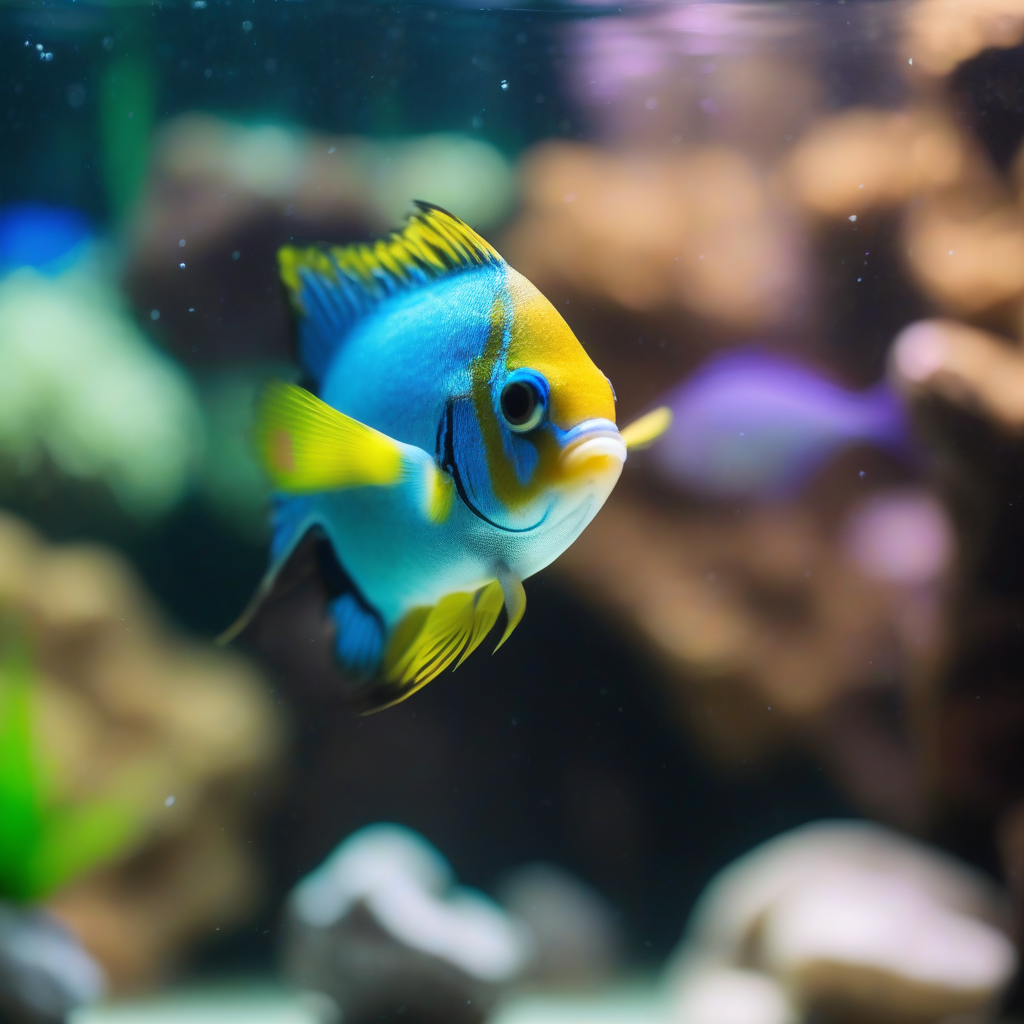
In this article, you will find comprehensive information on the insidious neurotoxic effects of heavy metal poisoning in aquarium fish, its symptoms, and lifesaving emergency intervention codes. This condition, which can arise from household water sources, improper equipment, or neglect, can severely threaten your fish's quality of life and lifespan.
Adoption and socialization are two of the most transformative experiences in a dog's life. However, especially for rescue dogs with a history of trauma, neglect, or insufficient socialization, this process can bring profound, unseen challenges. As your dog strives to adapt to their new life in your home, they might actually be experiencing hidden social anxiety. This anxiety is more than just "shyness" or "timidity"; it's a complex emotional state that deeply affects your dog's well-being. At WikiPet, this article will examine the signs of hidden social anxiety in dogs from a scientific perspective, offer evidence-based strategies to resocialize your adopted friend, and help them reconnect with the world with confidence.
Traditional socialization methods can backfire for an anxious dog, potentially worsening the situation. Therefore, it's essential to adopt an approach tailored to your dog's individual needs and past experiences, requiring patience and understanding. Our goal is not just to enable your dog to tolerate other people or animals, but to help them develop intrinsic confidence and form positive interactions with the world around them.
Dogs, unlike humans, cannot express their emotions with words. Therefore, accurately interpreting their body language and behavioral signals is critical in detecting hidden social anxiety. Anxiety can manifest differently in each dog; some may freeze, others may try to escape, and some may even mask their fears with aggression.
A socially anxious dog often avoids direct eye contact or gives "calming signals" by turning their head away. Ears may be flattened back, the tail tucked between their legs, or their body posture might be tense and low. Behaviors such as yawning, lip-licking, or sudden hyperactivity can be signs of stress and internal tension. These signals indicate that your dog is uncomfortable and needs a safe space. Understanding these hidden messages from your dog will help you establish healthier communication with them.
In response to triggers like unfamiliar people, other animals, or loud noises, overreactions such as excessive barking, growling, trembling, or urination are obvious signs of social anxiety. Some dogs, when scared, prefer to hide behind an object, under furniture, or retreat to a corner. These avoidance behaviors are clear indicators that your dog does not feel safe and perceives a threat.
When faced with fear, a dog can exhibit one of three evolutionarily programmed responses: freeze, flight, or fight. In social anxiety, the dog may feel so overwhelmed that they freeze in place, unable to move. The flight response manifests as a desire to quickly escape the situation. The most challenging is when the dog feels threatened and displays "fight" behaviors such as growling, biting, or lunging. These reactions are typically rooted in fear and can often be misinterpreted as aggression.
Resocializing a dog with social anxiety requires patience, consistency, and scientifically grounded approaches. The goal is to transform negative associations into positive ones and gradually build your dog's self-confidence.
The core of this strategy is not to confront the dog with its fears, but to gradually and controlledly expose it to triggers. Every interaction should be paired with a positive experience. For example, when introducing to a new person, maintain a distance where your dog feels comfortable (below their "threshold") and use plenty of rewards (tasty treats, praise). Carefully observe your dog's reactions and increase distance or end the situation at the slightest sign of tension. Furthermore, creating stress-reducing and safe haven spaces for your dog will provide significant comfort during these controlled exposure processes.
Positive reinforcement is one of the most effective methods for managing social anxiety. When your dog remains calm or exhibits desired social behavior (e.g., gently approaching a new person), reward them immediately. Counter-conditioning aims to replace your dog's negative emotional response to triggers (strangers, other dogs) with a positive one. For instance, if they only receive a tasty treat when they see other dogs, over time, they will begin to associate other dogs with something positive.
In some cases, the underlying causes or severity of social anxiety may go beyond what can be managed with at-home methods. At this point, working with a certified dog behavior specialist (veterinary behaviorist or positive reinforcement trainer) is critically important. Experts can assess your dog's behavior, create a customized behavior modification plan, and recommend veterinary-backed treatments such as anti-anxiety medication if necessary.
The resocialization process begins not just in the outside world, but also within the home environment. Transforming your home into a space of safety and learning for your dog is fundamental for long-term success.
Anxious dogs feel more secure with routine and predictability. Establishing a schedule for daily activities like feeding times, walks, and playtimes increases your dog's confidence in their environment. Avoid sudden changes and introduce new situations slowly and positively.
Beyond physical exercise, mental stimulation is also highly effective in managing social anxiety. Cognitive games like puzzle toys, nose work, or basic obedience training help your dog channel their energy positively and boost their self-confidence. Our article Your Dog's Mysterious Mind Map: 5 Scientific Secrets to Develop Problem-Solving Skills can provide inspiration in this regard.
Understanding and managing hidden social anxiety in your rescue dog is a journey that requires patience, empathy, and a scientific approach. Every dog is an individual and will progress at their own pace. By listening to their silent signals, offering controlled and positive experiences, and seeking professional support when needed, you can help unleash the confident, happy, and social dog within your furry friend. This will not only enhance their quality of life but also deepen the unique bond between you. Remember, even small steps can make a big difference.
