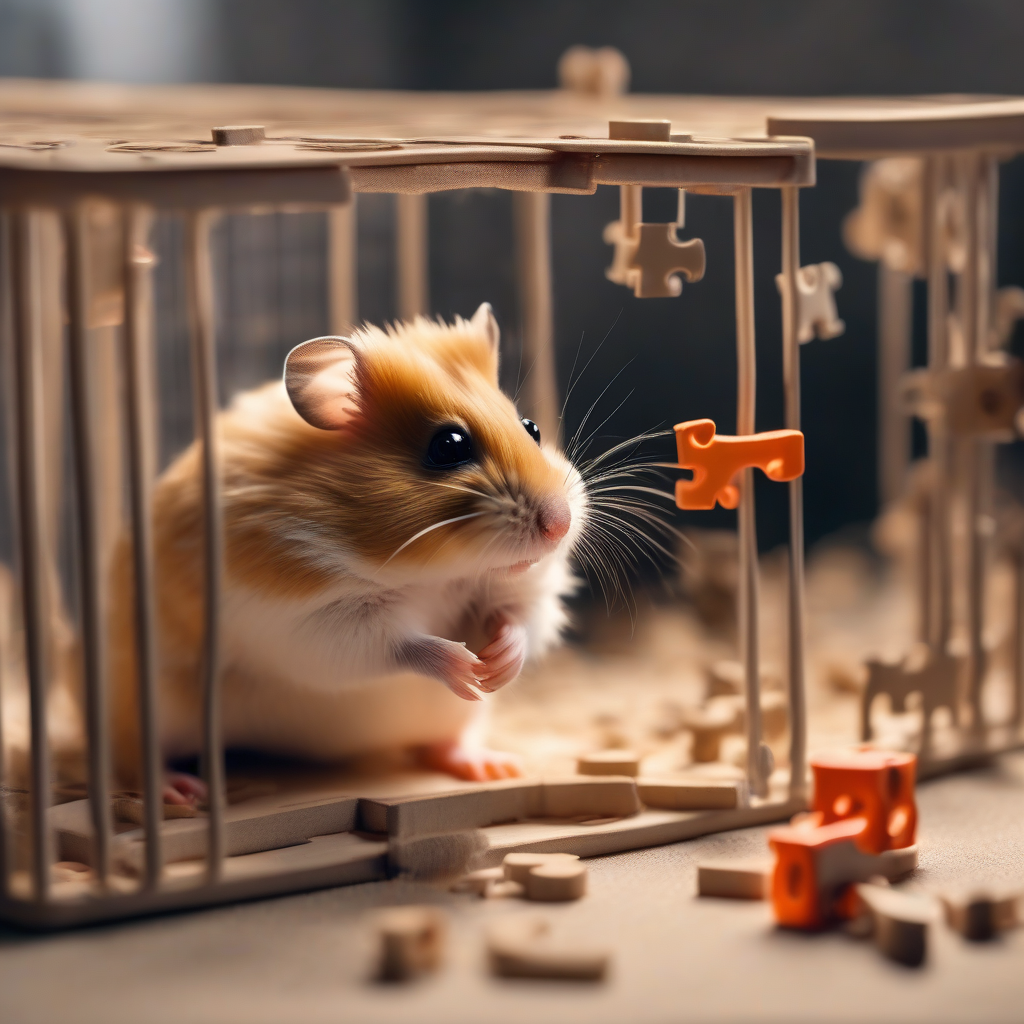
In this article, you will find comprehensive information about the 5 insidious neurobiological traps behind sudden failures in your hamster's training and scientific ways to overcome these situations.

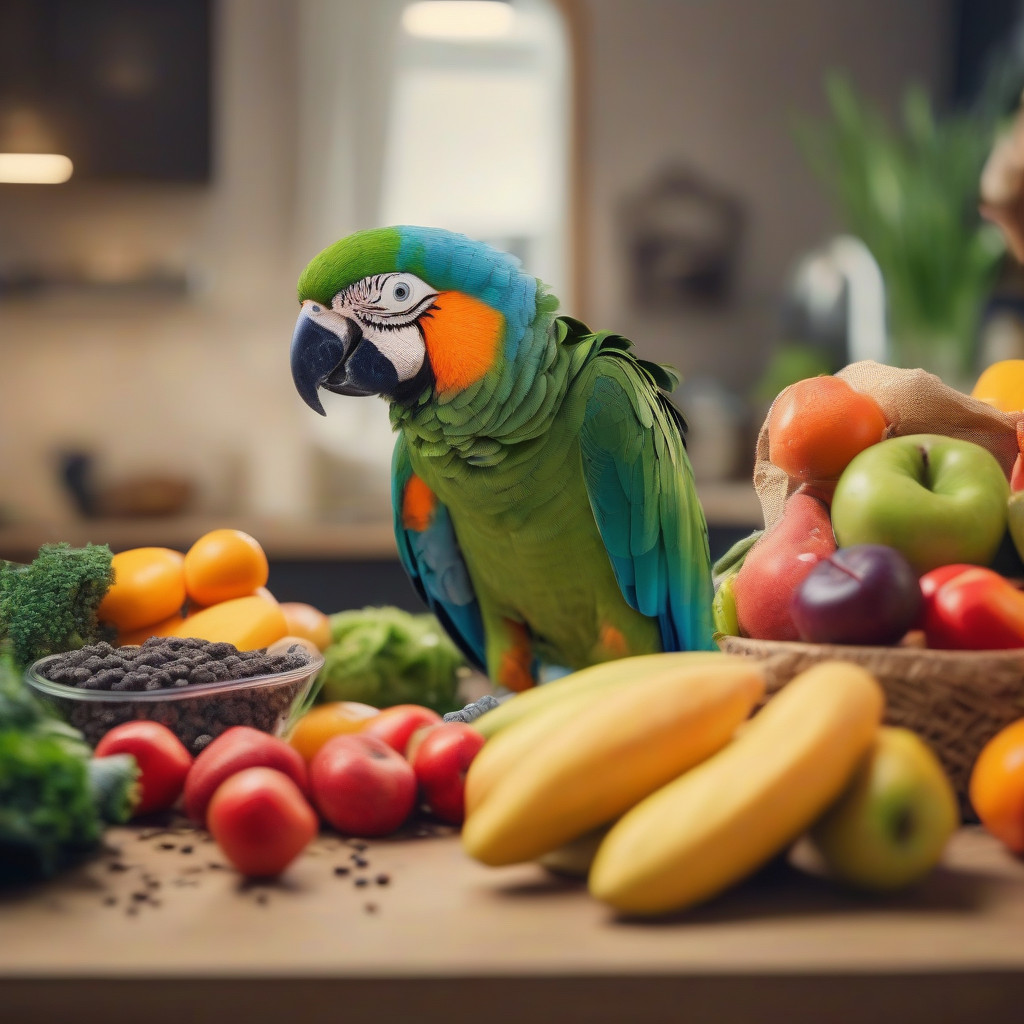
In this article, you will find comprehensive information about the insidious neurobiological effects of artificial colorings, preservatives, and flavors found in commercial bird feeds on your bird's brain health and mental vitality. We explore scientific nutritional secrets to combat these hidden dangers, shedding light on a wide spectrum of effects from behavioral changes to cognitive decline.

In this article, you can discover the scientific secrets to understanding your cat's undesirable habits, deciphering the neurocognitive mechanisms in their brain, and establishing lasting new routines.

Discover the types of burns your dog can suffer, the 5 insidious neurophysiological effects these burns create in the brain and body, and lifesaving emergency intervention strategies in this comprehensive guide. We shed light on the dangers behind forgotten household accidents from a scientific perspective.
Hamsters, despite their tiny bodies, are curious and eager to learn. The bond established with them and the training sessions conducted are of great importance for both the animal's mental development and strengthening the communication between the owner and the pet. However, sometimes, despite all our efforts, we can experience sudden and unexpected failures in our hamsters' training. It's as if they suddenly refuse to learn, forget what they know, or exhibit the exact opposite of our expectations. So, what are the scientific truths behind this phenomenon? In this article, we will delve deeply into the 5 insidious neurobiological traps behind sudden failures in your hamster's training and the scientific ways to overcome these traps.
Hamsters, by nature, love to dig, build nests, and have a spacious living area. However, when these fundamental needs are not met, our tiny friends experience intense stress. This stress directly activates the amygdala region in their brains, triggering defense mechanisms. During training, if your hamster's cage or play area does not offer sufficient freedom of movement, they can feel under pressure even in an environment they consider 'safe.' This situation severely reduces their capacity to learn new commands because their brain is preoccupied with combating the perceived threat. Training sessions become an additional source of stress for them rather than a learning opportunity. To overcome this, it is important to provide your hamster with a spacious and safe digging area (Your Hamster's Secret Digging Ability: Neurobiological Foundations and Peaceful Home Secrets!) and consider the neurobiological effects of cage placement (The Hidden Stress Signals of Your Rabbit: Unknown 5 Neurobiological Effects of Cage Placement and Secrets for a Peaceful Home!).
Before starting training sessions, ensure that your hamster's living environment supports its natural behaviors. Plenty of bedding, safe escape routes, and tunnels to explore will make them feel secure. This helps their brain chemistry focus on learning during training.
The choice of a food bowl for hamsters is more than just a simple preference. The material, shape, and even cleanliness of the food bowl can affect the hamster's nutrient intake and, consequently, its brain health. For example, some plastic food bowls can leach harmful chemicals over time, leading to the formation of 'free radicals.' These free radicals can damage brain cells and disrupt neurotransmitter balance. This imbalance in neurotransmitters like dopamine and serotonin, which are directly linked to learning and motivation, can trigger your hamster to dislike training, lose motivation, and struggle to process new information. Our article Your Hamster's Food Bowl's Hidden 'Free Radical Traps': 5 Insidious Neurochemical Dead Ends on the Road to Obesity! discusses this topic in more detail.
Opt for food bowls made of safe materials such as stainless steel or ceramic, which are easy to clean. Ensure that the food content is also balanced, considering its effects on overall health and brain function. The content and quantity of food are particularly critical for hamsters prone to obesity.
Hamsters naturally need to stay busy and keep their minds active. If your hamster's cage only provides a space for sleeping and eating, this can lead to a lack of 'hidden burrowing space.' Insufficient mental stimulation dulls the hamster's brain's learning and problem-solving abilities. During training sessions, when these animals are bored or not mentally stimulated, their attention is easily diverted, and they become impatient. This manifests as a sudden withdrawal or failure in training. Our articles Your Hamster's 'Secret Burrow' Crises: Behavioral and Neurological Impacts of Insufficient Digging Space and Your Hamster's 'Secret Playground' Algorithm: 5 Neurobiological Secrets for Mental Development with In-Cage Toys! discuss this topic in greater depth.
Provide mental stimulation for your hamster by offering a variety of in-cage toys, puzzles, and different materials to explore. Introducing new and interesting objects keeps their curiosity alive and makes them more motivated during training sessions.
Like all living beings, hamsters have learning limits. Rushing and trying to teach multiple commands simultaneously exposes the hamster's brain to 'neurocognitive overload.' The brain cannot process the information, leading to a blockage in the learning process. It's as if a computer's memory is full, and it cannot accept new information. This manifests as a sudden 'stop' or 'withdrawal' in training. Your hamster may act as if they have forgotten what they learned or become more reluctant to try new things. As stated in our article Your Hamster's Sudden Seizures: 5 Insidious Neurocognitive Triggers and Lifesaving Emergency Intervention Protocols!, sudden behavioral changes can sometimes be a harbinger of more serious neurological issues, but training blockages often stem from this overload.
Patience is essential in training. Focus on teaching your hamster one command at a time and reinforce it successfully before moving on to a new command. Keep each session short and end it while your hamster's energy and interest are high. The principles in the article Navigating Your Rabbit's 'Patience Test' 5 Insidious Neurocognitive Barriers: Zero Out Exhaustion with Scientific Training! can also be applied to hamster training.
Hamsters use a complex 'social language' to communicate with humans. However, when we fail to understand this language, we can misinterpret their reactions. For example, a hamster's retreat or avoidance of training may not mean it doesn't want to be trained; perhaps it's signaling that the environment is noisy, your tone of voice is frightening, or it simply needs to rest. Articles like Decoding Your Hamster's 'Hidden Social Language': 5 Neurocognitive Hurdles in New Home Setup and Scientific Harmony Secrets! and Your Hamster's 'Silent Invitations': 5 Neurocognitive Signals Indicating Readiness for Deep Human Bonding! offer clues to deciphering this language. Misinterpreting these silent signals can unintentionally stress the hamster, causing a sudden halt in training.
Observe your hamster's body language carefully. The position of its ears, the movement of its whiskers, its posture, and its vocalizations provide important information about its emotional state. Tailor training sessions to its mood. Remember, every training session should be a collaboration, not a coercion.
Sudden failures in your hamster's training often stem not from a 'flaw' in its behavior but, more commonly, from the neurobiological traps mentioned above. Stress management, proper nutrition, mental stimulation, patient training techniques, and effective communication are crucial for maximizing your hamster's learning potential. With this scientifically based approach, you can protect your pet's health and establish a deeper, more meaningful bond with it. Remember, every hamster is unique, and understanding its hidden neurobiological needs is the key to a successful training journey.
