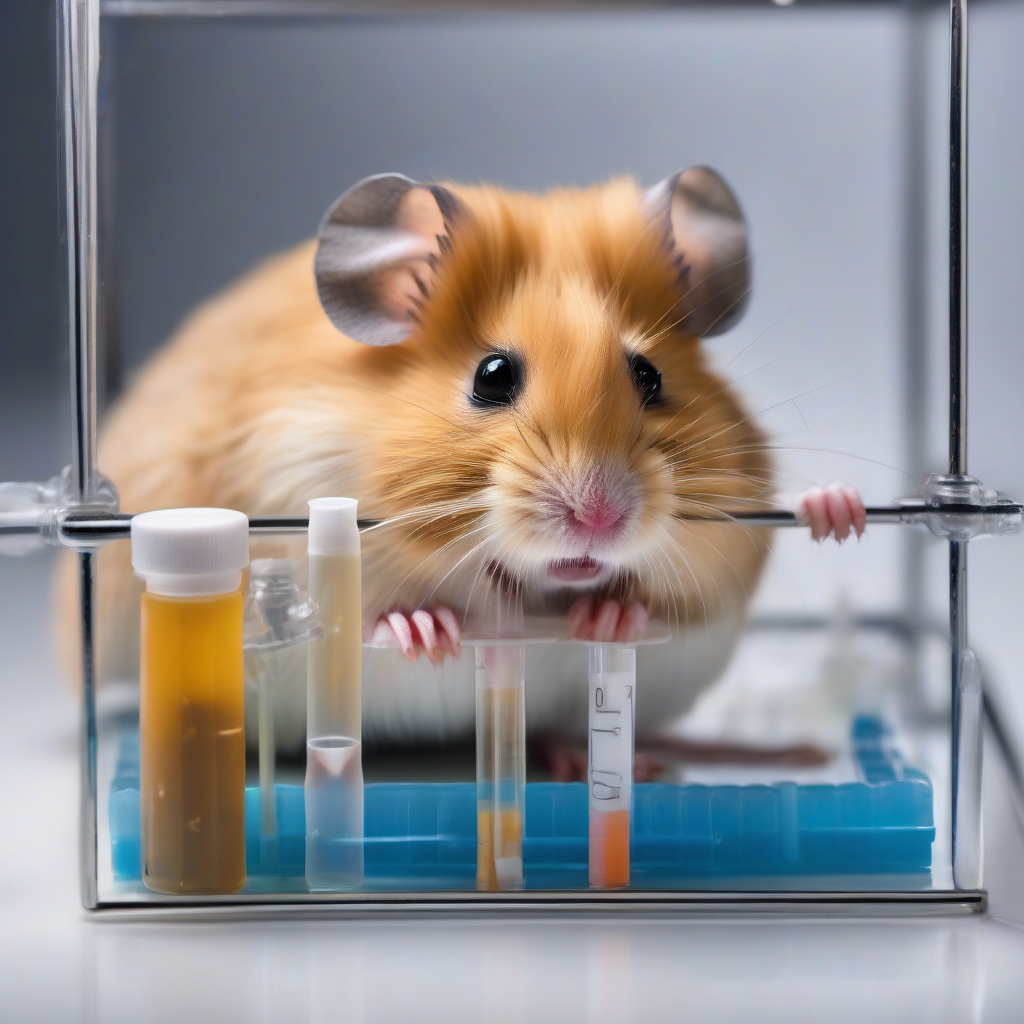
In this article, you will delve into the insidious neurobiological signals of 'Wet Tail' syndrome (Proliferative Ileitis), a life-threatening condition in hamsters, and learn about emergency intervention protocols that can save your tiny friend. Discover how to protect your hamster's well-being with early detection and scientific approaches.


In this article, you will find comprehensive information about the insidious neurobiological effects of artificial colorings, preservatives, and flavors found in commercial bird feeds on your bird's brain health and mental vitality. We explore scientific nutritional secrets to combat these hidden dangers, shedding light on a wide spectrum of effects from behavioral changes to cognitive decline.

In this article, you can discover the scientific secrets to understanding your cat's undesirable habits, deciphering the neurocognitive mechanisms in their brain, and establishing lasting new routines.

Discover the types of burns your dog can suffer, the 5 insidious neurophysiological effects these burns create in the brain and body, and lifesaving emergency intervention strategies in this comprehensive guide. We shed light on the dangers behind forgotten household accidents from a scientific perspective.
Hamsters, despite their small size, are adorable and sensitive creatures with complex biological systems. Unfortunately, due to their rapid metabolism and susceptibility to stress factors, some diseases can become fatal very quickly. Chief among these is Proliferative Ileitis, commonly known as 'Wet Tail'. This syndrome, usually caused by a bacterial infection (especially Lawsonia intracellularis), is characterized by inflammation and thickening of the intestinal wall. Diarrhea, dehydration, and general malaise progress rapidly, leading to profound effects on the neurobiological system. This article will explore the lesser-known neurobiological signals of Wet Tail syndrome and lifesaving emergency intervention protocols from a scientific perspective.
While Wet Tail syndrome is often recognized by physical symptoms (a wet, soiled tail), unnoticed cognitive and behavioral changes at the onset of the disease can be the first alarm signals from the hamster's central nervous system. Understanding these early signals is crucial for timely intervention.
If your hamster suddenly stops eating or experiences a noticeable drop in energy levels, this is not merely an indication of gastrointestinal distress but also a sign of the hypothalamus's metabolic stress response in the brain. Inflammation and infection can affect the release of hormones like leptin and ghrelin, which regulate the body's energy balance. These hormonal imbalances suppress the animal's appetite and create a state of general lethargy. This can manifest as the hamster being less active than usual or even refusing to leave its nest. These initial brain responses can be an early indicator of the disease's silent progression.
If your normally curious and active hamster suddenly becomes withdrawn, avoids human interaction, or loses interest in playing, it could be a sign of anhedonia (inability to experience pleasure). Severe infections like Wet Tail can affect dopaminergic pathways in the brain, leading to disruptions in the reward system. This causes the animal to become unwilling to engage in activities it normally enjoys. Withdrawal, a desire to be alone, and exhibiting less exploratory behavior within the cage are clear signs of neurobiological stress and an imbalance in the reward system. Noticing these signs is often possible in the early stages of the disease and should be evaluated in conjunction with other symptoms mentioned in our article Your Hamster's 'Hidden Stool Ledger': 5 Invisible Signs of Digestive Health and Lifesaving Scientific Interventions for Sudden Crises!.
As the disease progresses, the body's neurophysiological responses become more pronounced, indicating directly life-threatening situations.
Rapid fluid loss caused by severe diarrhea leads to dehydration in hamsters. Dehydration not only causes physical weakness but also has devastating effects on brain function. When the body's electrolyte balance (sodium, potassium, chloride) is disrupted, neurons' ability to transmit electrical signals is impaired. This can lead to lethargy, weakness, loss of coordination, and even seizures. Signs such as loss of skin elasticity (turgor), sunken eyes, and dry mucous membranes indicate the urgent need for fluid replacement. For these critical situations, rapid intervention may require instantaneous reflexes, similar to those discussed in our content Your Hamster's 'Hidden Crisis Doors': 5-Second Lifesaving Intervention for Sudden Respiratory Arrest and Hidden Neurophysiological Signals!.
In advanced stages of the disease, a hamster's body temperature may drop (hypothermia) or, less commonly, rise (hyperthermia). This dysregulation results from the brain's thermoregulation center (again, the hypothalamus) failing due to infection and metabolic stress. Hypothermia can cause the animal to shiver, feel cold, and appear sluggish, while hyperthermia can be even more dangerous, leading to organ failure. If your hamster feels abnormally cold or hot to the touch, it is a strong indication that its central nervous system is in crisis.
Severe dehydration and electrolyte imbalances associated with Wet Tail syndrome prevent muscle cells and nerves from communicating normally. This leads to noticeable tremors and general muscle weakness in the hamster. Difficulty walking, loss of balance, or falling indicates severe disturbances in neuromuscular transmission. These signals are concrete evidence of the disease's direct effects on the nervous system and require immediate medical attention.
Wet Tail syndrome is typically fatal without veterinary intervention. However, proper first aid measures can significantly increase the animal's chances of survival.
Wet Tail syndrome can be highly contagious. At the first signs of illness, it is essential to immediately separate the affected hamster from others and place it in a separate cage. The cage floor should be covered with appropriate bedding (e.g., paper towels or newspaper) to provide an easily changeable, hygienic environment. All cages and accessories should be cleaned and thoroughly rinsed with disinfectants (e.g., diluted bleach). This step prevents the spread of infection and supports the patient's recovery process. Additionally, providing a stress-reducing cage environment by following the advice in Your Hamster's 'Secret Architectural Secrets': 5 Neurobiological Traps in Cage Placement and Scientific Design Codes for Mental Well-being is important for recovery.
The hamster will be severely dehydrated due to intense diarrhea. Under the advice of a veterinarian, special electrolyte solutions for animals or homemade sugar-salt water mixtures (a pinch of salt and a teaspoon of sugar in a cup of water) should be carefully administered via a dropper or syringe. This helps restore the body's electrolyte balance and mitigate the neurological effects of dehydration. However, it is critically important not to overdo it and to avoid choking the animal. In this delicate state of the digestive system, the nutritional recommendations in the article Hamster Food Mysteries: 5 Unknown Fiber Secrets and Ways to Become a Digestive Champion! are important for maintaining long-term digestive health.
Wet Tail syndrome is not a simple condition that can be treated at home. Immediately after taking the first aid steps above, it is mandatory to take your hamster to a veterinarian experienced with rodents. The veterinarian will prescribe appropriate antibiotics, fluid therapy (subcutaneous or intravenous), and supportive treatments (pain relievers, probiotics, etc.). Early and professional intervention will significantly increase your hamster's chances of survival.
In conclusion, Wet Tail syndrome is one of the most feared emergencies for hamster owners. However, recognizing the insidious neurobiological signals of the disease and knowing scientifically based emergency intervention protocols can save the lives of our tiny friends. If you observe any suspicious behavior or physical symptoms in your hamster, it is vital to act without delay and seek professional help.
