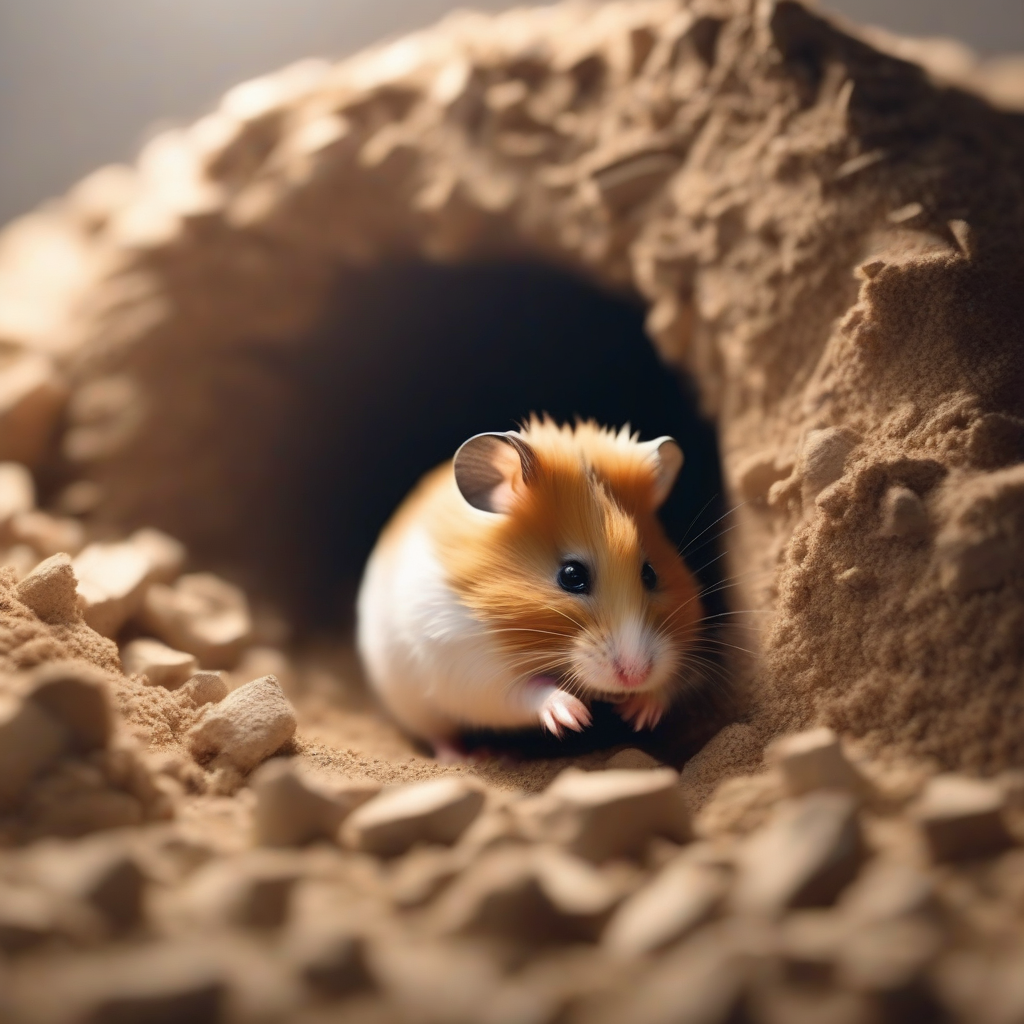
In this article, you will find comprehensive information on the neurobiological effects of your hamster's burrow depth and earth architecture.


Discover the types of burns your dog can suffer, the 5 insidious neurophysiological effects these burns create in the brain and body, and lifesaving emergency intervention strategies in this comprehensive guide. We shed light on the dangers behind forgotten household accidents from a scientific perspective.

Discover the neurobiological signals of hidden stress your newly adopted cat experiences during adaptation to a new social environment. This article reveals 5 insidious signs of your cat's silent struggle and scientific strategies for peaceful, long-term harmony.

Your dog's anal sacs, located beneath the tail, can be hidden alarm bells often overlooked but profoundly affecting their quality of life. In this article, you will discover the 5 insidious neurobiological effects of anal sac problems on the brain and the lifesaving care secrets you need to know for your furry friend to live a peaceful life.
Hamsters are rodents that live underground, creating complex and deep tunnel networks by burrowing in their natural environments. This behavior goes beyond simply providing shelter; it is critically important for the hamster's neurobiological and psychological well-being. The lack of these deep burrowing spaces in their living environments can force hamsters to suppress their natural instincts, leading to stress, anxiety, and even health problems.
Security and Stress Reduction: Hamsters feel safe by nesting in places that are not easily accessible to their natural predators. Deep burrowing areas provide them with a sanctuary where they can hide, feel secure, and rest. This significantly reduces the animal's overall stress levels. Insufficient burrowing space can cause a hamster to be constantly on alert and enter a stressed state.
In relation to this topic, our article Your Hamster's Hidden Anxiety Mechanisms: 5 Neurobiological Traps Triggering Stress and Scientific Calming Secrets! offers more in-depth information on how hamsters cope with stress.
Expression of Natural Behaviors and Mental Stimulation: Burrowing is one of the most fundamental and instinctive behaviors of hamsters. The ability to perform this action is also crucial for their mental health. A deep layer of bedding material provides an environment where hamsters can stay occupied for hours, digging tunnels, building nests, and optimizing their burrows. This type of mental stimulation helps prevent boredom and repetitive, stereotypical behaviors.
Our article Your Hamster's Hidden 'Problem-Solving Intelligence': 5 Neurocognitive Strategies to Trigger Mental Development with In-Cage Puzzles! offers additional strategies for stimulating your hamster's mental activity.
Regulation of Body Temperature: Hamsters can maintain a more stable body temperature within their burrows. Underground tunnels act as natural insulation against sudden changes in external temperature. A burrow dug to sufficient depth helps protect the hamster from both extreme heat and cold, keeping its body temperature optimally regulated.
This is a critical factor for the overall health of hamsters. In our article titled Your Hamster's 'Hot-Cold Shock': 5 Insidious Neurophysiological Signals of Hypothermia and Hyperthermia and Lifesaving Scientific Intervention!, you will find detailed information on the negative effects of temperature fluctuations and emergency interventions.
Sensory Exploration and Enrichment: Hamsters explore their environment by sniffing, digging, and shaping their burrows. A deep layer of bedding material offers them the opportunity to explore various textures and scents. This enrichment enhances their sensory experiences and makes their living space more interesting and rewarding.
As a general rule, a bedding material depth of at least 20-30 cm is recommended for hamsters. Some hamster species and individual preferences may require deeper burrowing spaces. Therefore, providing an even depth throughout the entire cage or allowing for deeper accumulation in specific areas can be the best approach.
The safety and suitability of the bedding material used are as important as the depth itself. Ideal bedding materials include:
Materials to avoid:
A hamster cage is not just a space to live in; it's an ecosystem that supports the hamster's natural behaviors and is in tune with its neurobiology. The overall design, placement, and elements within the cage directly impact the hamster's mental and physical health.
When designing your hamster's living space, considering the natural needs of these tiny friends is the key to maximizing their neurobiological and behavioral well-being. A deep burrowing space is not just a cage material; it is the cornerstone of a happy, healthy, and balanced hamster.
