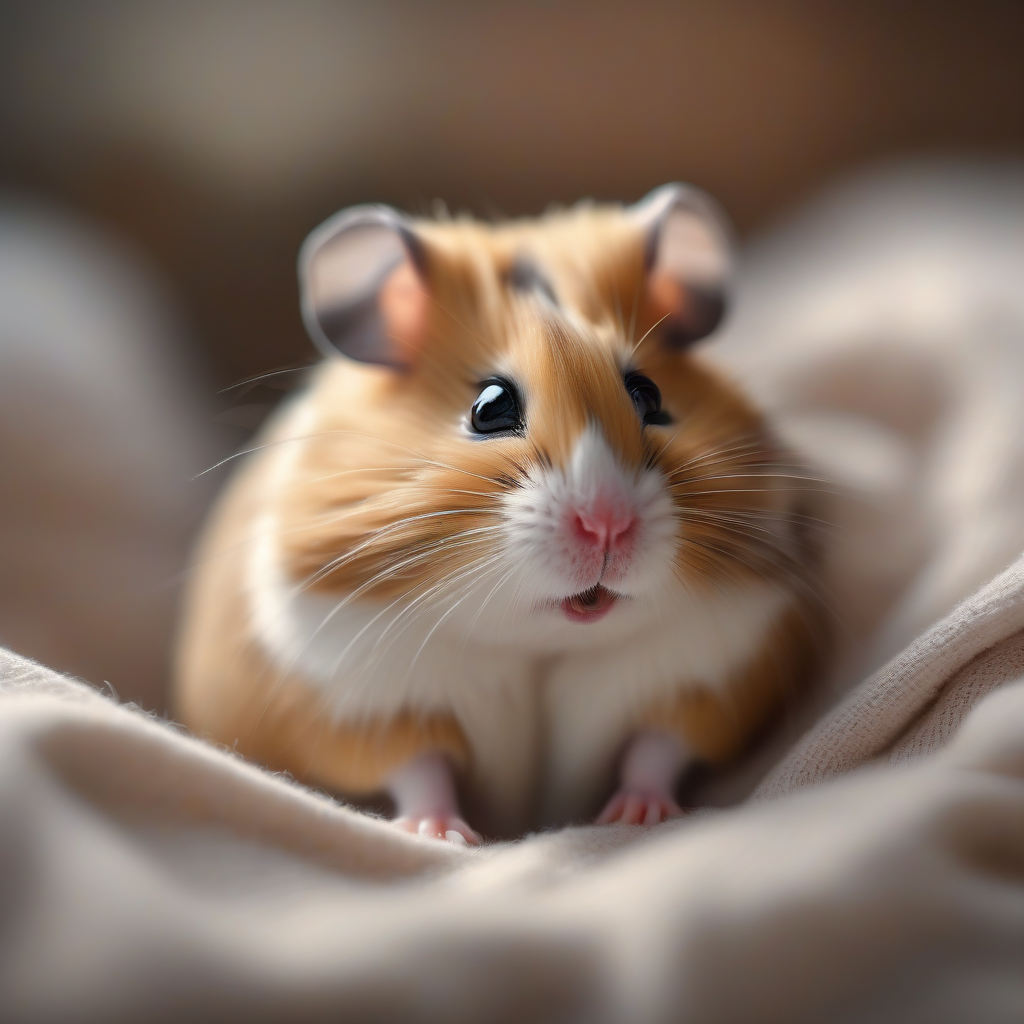
In this article, you will find comprehensive information on the hidden neurophysiological signals of hot and cold shocks (hypothermia and hyperthermia) that your hamster may experience, and the lifesaving scientific intervention protocols you should apply in these critical situations. Essential tips and early intervention strategies to protect your pet's thermal balance are discussed here.


Discover the types of burns your dog can suffer, the 5 insidious neurophysiological effects these burns create in the brain and body, and lifesaving emergency intervention strategies in this comprehensive guide. We shed light on the dangers behind forgotten household accidents from a scientific perspective.

Discover the neurobiological signals of hidden stress your newly adopted cat experiences during adaptation to a new social environment. This article reveals 5 insidious signs of your cat's silent struggle and scientific strategies for peaceful, long-term harmony.

Your dog's anal sacs, located beneath the tail, can be hidden alarm bells often overlooked but profoundly affecting their quality of life. In this article, you will discover the 5 insidious neurobiological effects of anal sac problems on the brain and the lifesaving care secrets you need to know for your furry friend to live a peaceful life.
Our tiny friends, hamsters, are extremely sensitive to regulating their body temperature. Sudden changes in environmental factors can lead to life-threatening conditions such as hypothermia (decrease in body temperature) or hyperthermia (increase in body temperature). These conditions can profoundly affect your hamster's nervous system and overall physiology, causing irreversible damage. As a veterinary content strategist, in this article, we will delve into the 5 insidious neurophysiological signals of hypothermia and hyperthermia and lifesaving scientific intervention protocols to strengthen your hamster's defense against 'hot-cold shock'.
Hypothermia is a condition where a hamster's body temperature drops below normal levels, typically occurring due to cold environmental conditions, inadequate shelter, or illness. Due to their small body size, hamsters are highly prone to heat loss. This puts severe stress on the central nervous system, slowing down neurological functions.
Cold reduces neurotransmitter release and nerve conduction velocity in the brain, leading to disorientation, lethargy, and loss of coordination. Blood vessels constrict (vasoconstriction), which decreases blood flow to vital organs and results in cellular oxygen deficiency. These neurophysiological changes significantly impact the hamster's normal behavior and require rapid intervention.
Early recognition of insidious signs of hypothermia is vital. These symptoms typically include:
In case of suspected hypothermia, a slow and gradual warming process is crucial:
Hyperthermia is a condition where a hamster's body temperature rises to dangerous levels. It typically occurs due to heatwaves, direct sun exposure, poorly ventilated cages, or intense physical activity. Overheating is a serious neurophysiological threat that can damage brain cells and lead to seizures similar to epileptic crises.
High body temperature causes protein denaturation in the brain, disruption of neuronal membrane integrity, and electrolyte imbalances. This leads to cerebral edema and central nervous system dysfunction. While an increase in heart rate and respiratory rate is observed, the body's heat-reducing mechanisms become insufficient.
Recognizing the insidious symptoms of hyperthermia is essential for rapid intervention:
In hyperthermia, rapid and controlled cooling is essential:
Preventing your hamster from experiencing thermal stress is crucial for a long and healthy life. Optimizing environmental conditions is the most effective preventive approach.
Avoid placing the hamster's cage in direct sunlight or near direct heat or cold sources like radiators or air conditioners. An ideal room temperature is between 18-24°C (65-75°F). Especially in summer, cooling stones, arrangements that increase cage ventilation, or ice packs (outside the cage, not in direct contact) can be used. In winter, extra bedding material and nesting boxes help the hamster stay warm. These environmental factors directly affect your hamster's optimal circadian rhythms and stress-free rest.
Ensure your hamster always has access to fresh water. Dehydration reduces the body's resistance to both hypothermia and hyperthermia. A balanced and high-quality diet supports general health, enhancing the body's thermoregulation ability. Especially in hot weather, water-rich vegetables (safe ones) can be offered in small amounts.
Remember, if you notice any sudden changes in your hamster's behavior or physical condition, immediately consult a veterinarian. Early diagnosis and rapid intervention can save your tiny friend's life.
