
In this article, you will discover the overlooked symptoms of dehydration in hamsters, their causes, and scientific hydration strategies you can implement to protect your tiny friend's health.


Discover the neurobiological signals of hidden stress your newly adopted cat experiences during adaptation to a new social environment. This article reveals 5 insidious signs of your cat's silent struggle and scientific strategies for peaceful, long-term harmony.

Your dog's anal sacs, located beneath the tail, can be hidden alarm bells often overlooked but profoundly affecting their quality of life. In this article, you will discover the 5 insidious neurobiological effects of anal sac problems on the brain and the lifesaving care secrets you need to know for your furry friend to live a peaceful life.
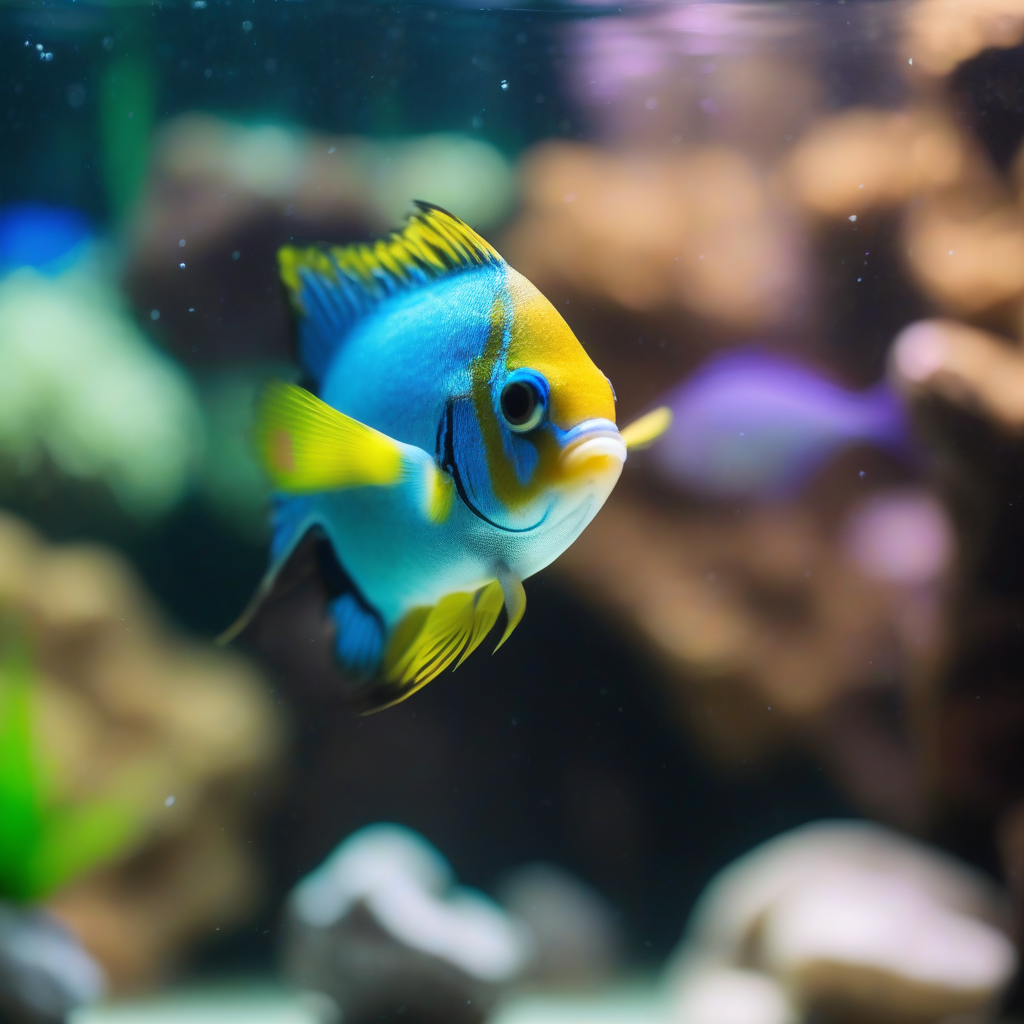
In this article, you will find comprehensive information on the insidious neurotoxic effects of heavy metal poisoning in aquarium fish, its symptoms, and lifesaving emergency intervention codes. This condition, which can arise from household water sources, improper equipment, or neglect, can severely threaten your fish's quality of life and lifespan.
Our tiny friends, hamsters, are incredibly efficient creatures when it comes to water use, thanks to their evolution in arid natural habitats. However, this does not mean they are immune to dehydration. On the contrary, hamsters can expertly hide signs of thirst, and often, dehydration in a pet hamster may go unnoticed until the situation becomes critical. As of March 2026, the latest veterinary scientific approaches emphasize the importance of being proactive against this invisible threat. In this article, we will delve into the insidious signs that indicate your hamster is struggling with thirst, the underlying causes, and lifesaving hydration strategies you can implement to protect your tiny friend's health.
Hamsters' water needs might seem less pronounced compared to other pets, which can create a false sense of security among owners.
Hamsters are natives of arid regions like Syria. Their bodies are programmed to utilize water as efficiently as possible, which includes their ability to concentrate urine and extract moisture from their food. However, in a domestic environment, these adaptations do not negate their fundamental need for water. Especially in modern homes with dry air and inadequate nutrition, this delicate balance can easily be disrupted.
Most hamster owners provide a water bottle in their cage. However, water bottles can present problems such as blockages, leaks, or difficulty for the hamster to use. Some hamsters may also prefer using a more natural water bowl over a bottle mechanism. Water quality and freshness are as important as accessibility. Stress can alter your hamster's behavior, and as discussed in Why Does Your Hamster Bite? The Secret Key to Building Trust and Socialization After Adoption, this can also affect water intake.
Signs of dehydration appear slowly in hamsters and can often be overlooked. Being a careful observer is crucial for early detection.
Dehydration can also lead to noticeable changes in your hamster's behavior. A normally active hamster might become more lethargic, lose appetite, or show a decrease in food-hoarding habits. Aggression or avoidance of touch can also be observed.
Dehydration can cause your hamster's droppings to become harder and drier. Urine volume may decrease, while its color becomes darker and its odor sharper. As highlighted in Your Rabbit's Digestive Secrets: Vital Nutritional Dynamics Hidden Beyond Fiber (March 2026), the impact of nutrition on digestion and, consequently, water metabolism is similarly important for rodents.
If you notice signs of dehydration in your hamster, immediate action is vital.
Add both a water bottle and a small, heavy ceramic water bowl to the cage. Secure the water bowl in a place where it won't tip over and get contaminated. Refresh the water daily. Additionally, offering small portions of fresh fruits and vegetables with high water content (after researching which ones are safe for hamsters), such as cucumber, lettuce (in small amounts), or apple slices (seedless), can provide extra moisture.
In severe cases of dehydration, home remedies may not be sufficient. Your veterinarian may recommend appropriate oral rehydration solutions (ORS) or subcutaneous fluid supplementation for your hamster. Such situations can also be indicative of general health problems; therefore, information in articles like Hidden Bone Loss in Hamsters: Symptoms, Causes, and Prevention Secrets (2026) can also guide you for early intervention and proactive health management.
You can take steps to support moisture balance in your hamster's living space. For example, adding slightly damp, non-toxic, odorless substrate or soil (only products proven safe for hamsters) to a section of the cage can encourage their natural digging and burrowing behaviors while also passively helping them absorb moisture. Environmental enrichment mentioned in Your Hamster's Secret Habitat Secrets: A Scientific Journey from Escape Burrows to Mini Forests can also be considered for hydration.
The best way to prevent dehydration is to implement a proactive care regimen.
Regularly include fresh, water-rich vegetables and fruits in your hamster's diet. While a balanced pellet food and fresh water cover basic needs, additional moisture sources will reduce the risk of dehydration. However, fresh foods should be offered in small amounts and not left in the hamster's cage for extended periods, as they can spoil and lead to health problems.
Observe your hamster regularly every day. Ensure the water bottle is working and contains fresh water. Check your hamster's activity level, appetite, and stool condition. If you notice any suspicious behavior or physical signs, consult your veterinarian immediately. Remember, early intervention always yields the best outcomes.
In conclusion, underestimating your hamster's water needs can lead to serious health issues. By taking a proactive approach, recognizing the insidious signs of dehydration, and implementing appropriate hydration strategies, you can help your tiny friend live a long, healthy, and happy life. By maintaining regular communication with your veterinarian, you can ensure the best care for your hamster's specific needs.
