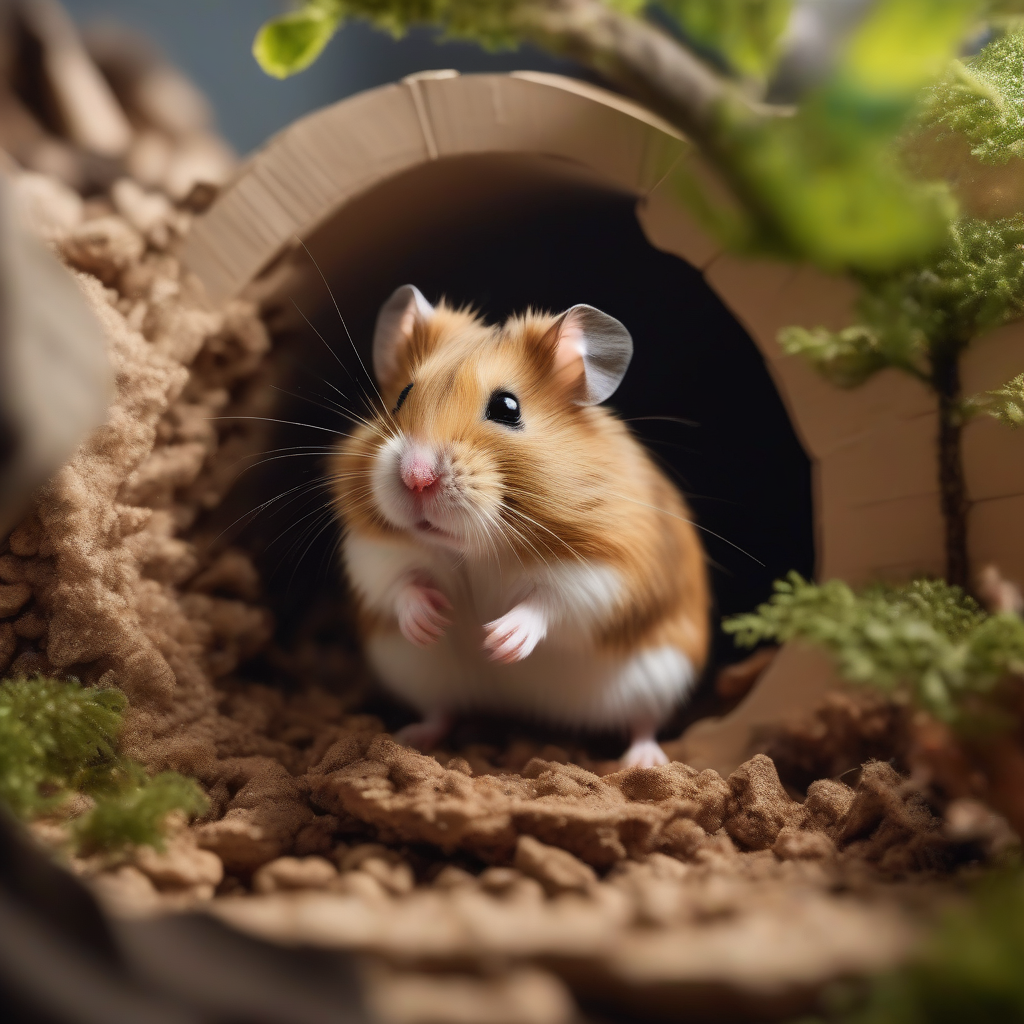
In this article, we delve into the depths of your hamster's habitat, uncovering the hidden details that trigger their natural instincts and enhance their happiness.


Discover the neurobiological signals of hidden stress your newly adopted cat experiences during adaptation to a new social environment. This article reveals 5 insidious signs of your cat's silent struggle and scientific strategies for peaceful, long-term harmony.

Your dog's anal sacs, located beneath the tail, can be hidden alarm bells often overlooked but profoundly affecting their quality of life. In this article, you will discover the 5 insidious neurobiological effects of anal sac problems on the brain and the lifesaving care secrets you need to know for your furry friend to live a peaceful life.
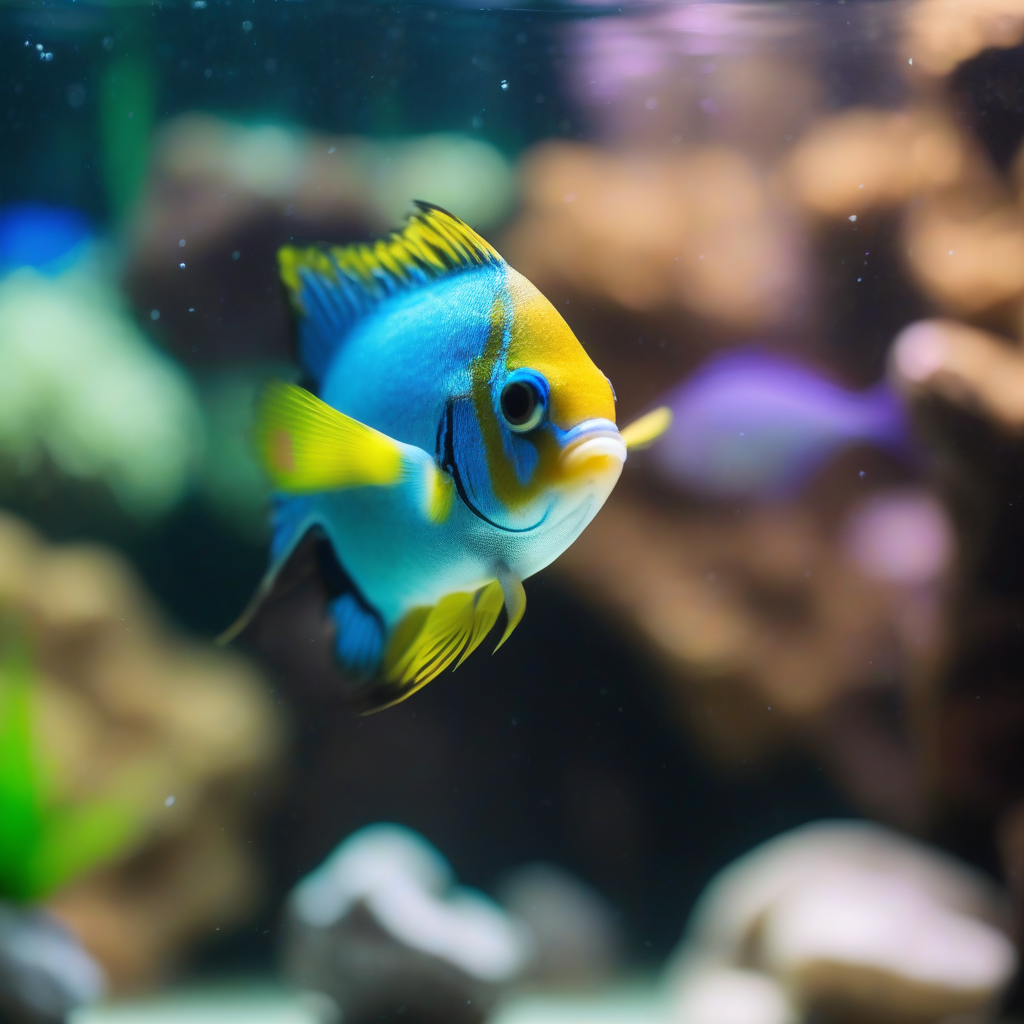
In this article, you will find comprehensive information on the insidious neurotoxic effects of heavy metal poisoning in aquarium fish, its symptoms, and lifesaving emergency intervention codes. This condition, which can arise from household water sources, improper equipment, or neglect, can severely threaten your fish's quality of life and lifespan.
Hamsters have always amazed us with the immense worlds they hold within their small bodies. The foundation of these mysterious worlds is their habitat. However, while most of us may view a hamster's cage merely as a shelter, it is, in fact, a complex ecosystem that directly impacts their physical and mental well-being. As of March 2026, we will go beyond the known aspects of hamster habitats to uncover the scientific secrets that trigger their most fundamental instincts and maximize their happiness.
Hamsters are naturally incredible burrowing animals. This behavior is not just an activity for fun; it's a reflection of their survival instincts. Underground tunnels and burrows protect them from predators, maintain their body temperature, and provide a safe haven. Therefore, providing ample depth of bedding material in your hamster's cage is vital. Beyond generally accepted standards, using at least 15-20 cm of natural and safe bedding materials (e.g., lignin-free paper-based beddings or pure aspen shavings) fulfills this basic need.
This depth allows your hamster not only to dig but also to construct their own 'secret underground cities.' This structural complexity stimulates them mentally and reduces stress. Our article, Your Hamster's Secret Underground City: Scientific Secrets of Deep Burrowing Tunnels and Natural Nesting Behavior, offers more in-depth information on this topic.
Most hamster owners limit themselves to the cage floor. However, hamsters have the potential to utilize vertical spaces. In nature, they can escape predators by climbing trees or reaching high places. Providing vertical elements in their cages increases their exercise levels and fuels their drive to explore their environment.
Safe and natural branches, bridges, tunnels, and multi-level platforms create a 'mini forest' for your hamster. This not only encourages physical activity but also keeps them mentally engaged. For example, a small toy or treat placed on a branch can increase their motivation to climb and reach it. Our article, Don't Let Your Rabbit Get Bored: Habitat Design for Intelligence Development and Natural Behavior Stimulation, highlights principles of habitat enrichment that can apply to different species.
A uniform cage design can pose a serious threat to hamsters. A constant environment with the same materials, the same layout, and a lack of adequate stimulation can lead to stress, boredom, and even behavioral problems. As we noted in our article, Your Hamster's Secret World: The Rodent's Big Psychology in a Small Cage, even these small creatures have a complex psychology.
Environmental enrichment is the key to breaking this monotony. Small additions that mimic seasonal changes (e.g., certain natural materials in spring), weekly route changes, or unexpected new exploration areas keep your hamster's curiosity alive. Furthermore, the combination of materials with different textures (e.g., soft papers, harder roots, safe sand for sand baths) provides sensory richness.
While many consider sand baths solely for hygiene, for hamsters, they are both a hygienic and social activity. Sand absorbs excess oil from their fur, aids in parasite removal, and most importantly, serves as a method for stress relief and relaxation. By experimenting with different types of sand (e.g., chinchilla sand – safe varieties without talc, silica sand without calcium carbonate), you can observe which one your hamster prefers.
A deep and clean sand bath provided in a dish can become an area where your hamster can spend hours grooming their fur and even hiding. This is a great way to increase environmental diversity, especially when hamster habitats are smaller. Our article, Why Does Your Hamster Bite? The Secret Key to Building Trust and Socialization After Adoption, emphasizes how stress can lead to behavioral issues and indirectly shows how habitat enrichment can be effective in resolving these problems.
As of March 2026, we understand that our hamster's habitat is not just a box they live in, but a complex microcosm that shapes their identity, happiness, and health. By combining sufficient burrowing depth, vertical exploration opportunities, enrichment elements that break monotony, and features catering to their natural needs (like sand baths), we create an ideal habitat for our hamster. Remember, their small worlds become larger, safer, and much happier with the environmental richness we provide. This is the most fundamental way to improve their quality of life and strengthen our bond with them.
