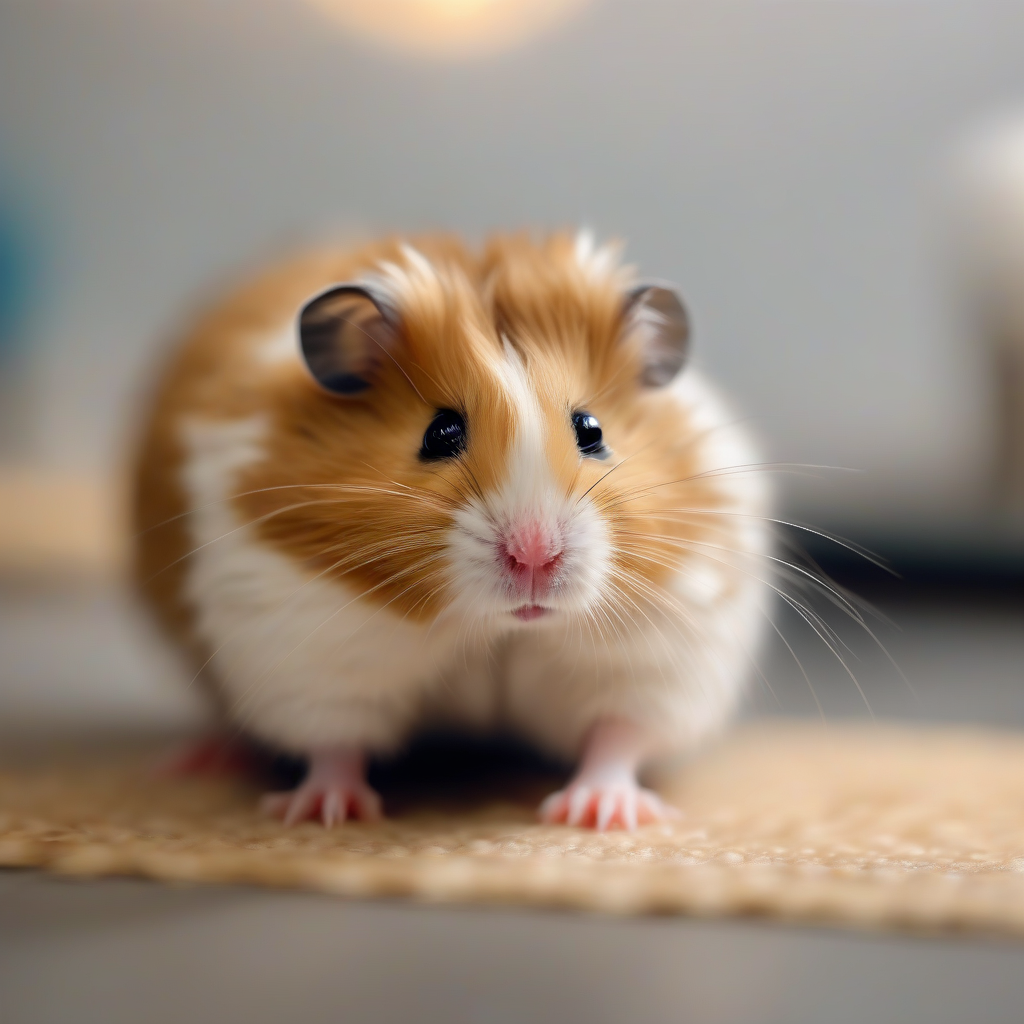
In this article, you will find the scientific reasons behind Wet Tail syndrome in hamsters, its early signs, and crucial emergency intervention strategies you can implement at home to save your tiny friend's life.


Discover the neurobiological signals of hidden stress your newly adopted cat experiences during adaptation to a new social environment. This article reveals 5 insidious signs of your cat's silent struggle and scientific strategies for peaceful, long-term harmony.

Your dog's anal sacs, located beneath the tail, can be hidden alarm bells often overlooked but profoundly affecting their quality of life. In this article, you will discover the 5 insidious neurobiological effects of anal sac problems on the brain and the lifesaving care secrets you need to know for your furry friend to live a peaceful life.
In this article, you will find comprehensive information on the insidious neurotoxic effects of heavy metal poisoning in aquarium fish, its symptoms, and lifesaving emergency intervention codes. This condition, which can arise from household water sources, improper equipment, or neglect, can severely threaten your fish's quality of life and lifespan.
While hamsters bring joy to our homes with their miniature size and adorable demeanor, they can sometimes harbor a stealthy danger. 'Wet Tail' syndrome, scientifically known as Proliferative Ileitis, is a severe, rapidly progressing, and often fatal intestinal disease that primarily targets young and stressed hamsters. In this article, we will unravel the scientific anatomy of this 'invisible killer,' learn to recognize its early signs, and discover emergency intervention strategies that could save your tiny companion's life.
Wet Tail is a bacterial infection causing intestinal inflammation and severe diarrhea, typically caused by a bacterium called Lawsonia intracellularis. This bacterium attacks the hamster's intestinal cells, leading to their excessive proliferation and thickening of the intestinal wall. As a result, the intestines cannot properly absorb nutrients and water, which causes severe diarrhea and rapid dehydration. The disease is more common in young, recently weaned hamsters and those newly adopted or exposed to environmental stress.
The insidious nature of Wet Tail lies in its initially vague symptoms and rapid progression. While it may begin with general symptoms like mild lethargy or loss of appetite, it can quickly lead to severe dehydration, septicemia (blood poisoning), and death. This swift progression makes it an 'invisible killer' because by the time owners recognize the severity of the situation, it may often be too late for effective intervention.
The most obvious symptom of Wet Tail, as its name suggests, is wet and matted fur around the anus due to diarrhea. However, this is a late-stage symptom, and there are other crucial signs that can be noticed earlier:
Risk Factors:
fish-secret-intelligence-games-cognitive-stimulation-behavioral-enrichment which is about fish, not hamsters. I need to use hamster-gizli-sindirim-hazinesi-cift-mide-sisteminin-bilimsel-sirlari-ve-optimal-beslenme-devrimi for hamsters.] The correct link is [Your Hamster's 'Secret Digestive Treasure': Scientific Secrets of the Dual Stomach System and a Revolution in Optimal Nutrition!].Acting immediately upon noticing Wet Tail symptoms in your hamster is vital. Here are 5 emergency steps you should take:
Contact a Veterinarian Immediately: This is the most critical step. Wet Tail can be rapidly fatal, and home treatment is usually insufficient. A veterinarian is the most qualified person to make an accurate diagnosis and initiate appropriate antibiotic treatment. Your vet may also recommend supportive therapies like probiotics and pain relievers.
Isolation and Hygiene: Separate the sick hamster from others. Thoroughly clean and disinfect its cage and all equipment. Provide a separate environment to prevent the spread of infection. Remember the importance of a regular and scientifically designed living space, as highlighted in [Your Hamster's 'Silent Micro-Ecosystem': Biomechanical Secrets of Habitat and 5 Next-Gen Design Principles for Behavioral Well-being!].
Prevent Dehydration: Following your vet's instructions, carefully give your hamster small amounts of water or electrolyte solution (e.g., special solutions available from your vet) via a syringe to prevent dehydration. Be careful not to overdo it. This is a common step in digestive issues, just as mentioned for rabbits in [Your Rabbit's 'Silent Stomach Lock': The Invisible Dangers of GI Stasis and a Lifesaving 5-Minute Scientific Intervention Guide!].
Provide a Warm and Calm Environment: Stress is one of the main triggers for Wet Tail. Create a calm, quiet, and warm environment for your hamster. Avoid sudden temperature changes. Temperature balance is vital, as discussed in our article [Your Hamster's 'Invisible Heat Map': Scientific Shelter Secrets for a Calm Life in Winter].
Nutritional Support: If your hamster has no appetite, try giving small amounts of easily digestible foods, such as a special formula or crushed pellet food, with a syringe, as recommended by your veterinarian. Do this carefully and only under your vet's guidance.
Preventing Wet Tail is much easier and more effective than treating it. Here are some key preventive measures:
While Wet Tail can be a frightening scenario for hamster owners, with early diagnosis and rapid intervention, you have a chance to save your tiny companion's life. By keeping this scientific information in mind, you can ensure your hamster's health and offer it a long, happy life.
