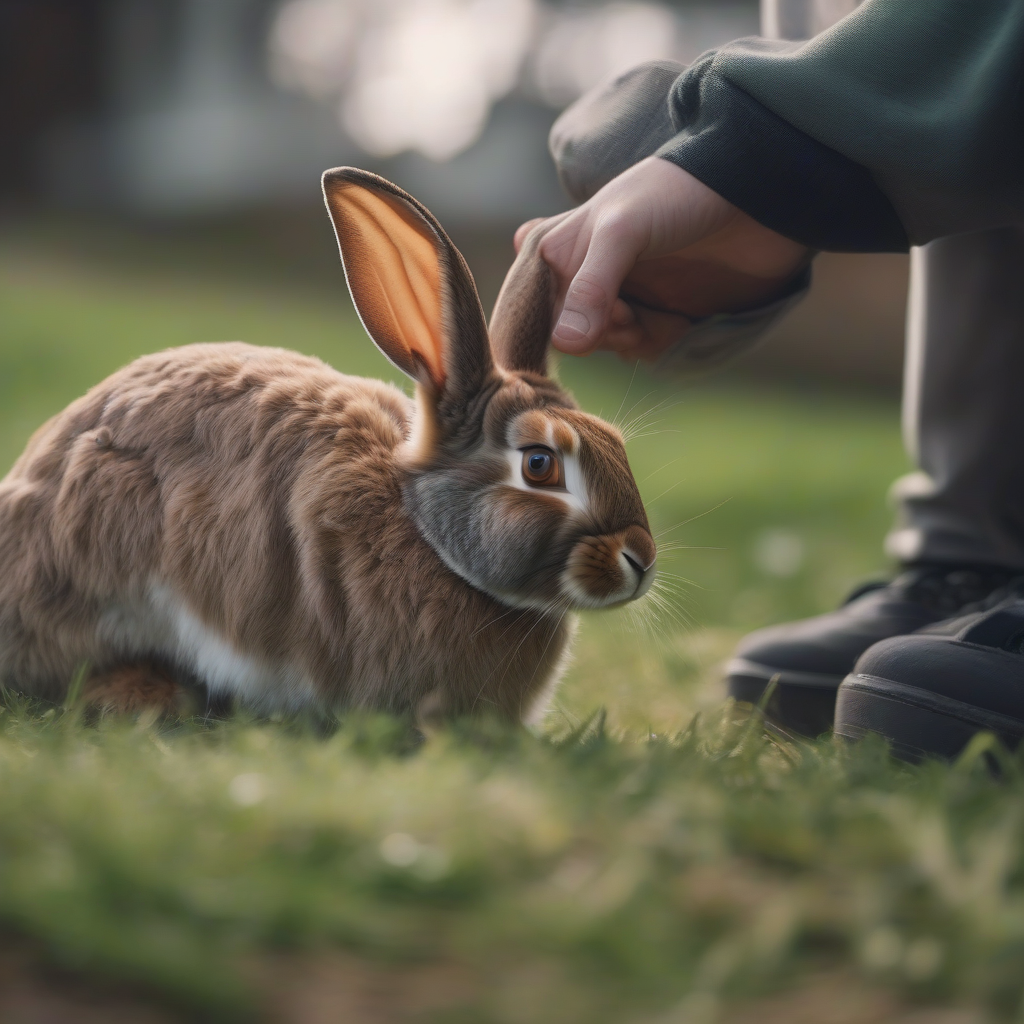
We address Gastrointestinal Stasis (GI Stasis), a common and rapidly fatal condition in rabbits, with a scientific approach. In this article, you will find detailed information on the early signs of this 'silent stomach lock,' lifesaving first aid steps to take within the first 5 minutes of an emergency, and long-term preventive measures.


In this article, we will deeply explore the insidious neurobiological effects of gut microbiome imbalance (dysbiosis) on your rabbit's brain health and provide scientific-based solutions to maintain mental vitality.

In this article, you can find comprehensive information on how pancreatitis in dogs not only affects the digestive system but also insidiously impacts the brain, its neuroinflammatory mechanisms, and lifesaving emergency intervention strategies.

Discover the 5 insidious effects of overfeeding, one of the most stealthy threats to your fish's health, causing neurometabolic destruction in their brains, and learn scientific feeding strategies to prevent this demise. Uncover the silent danger in your aquarium!
Rabbits, by their nature, are extremely delicate creatures, and their digestive systems react quickly to even the slightest imbalance. One of the most severe of these reactions is Gastrointestinal Stasis (GI Stasis), also known as 'silent stomach lock.' As of March 2026, veterinary science has once again proven that early diagnosis and emergency intervention for this fatal condition are lifesaving. This article aims to inform rabbit owners about the insidious signs of GI Stasis and the scientific first aid protocols to apply during a crisis.
GI Stasis is a condition where a rabbit's digestive system (especially the gut) stops or severely slows its normal movement. This is much more than a simple digestive upset; because the intestinal contents cannot move, fermentation begins, gas builds up, leading to severe pain and dehydration. The cycle of pain and dehydration can quickly send a rabbit into shock, making the situation fatal within minutes.
Basic Scientific Mechanism: Normally, a rabbit's digestive system is like a constantly moving engine. Dietary fibers (mostly hay) help the intestines propel food through peristaltic movements. However, stress, pain, insufficient fiber intake, dental problems, infections, or other ailments can slow or stop this movement. The intestinal contents dry out, an obstruction forms, and in this environment, Clostridium bacteria proliferate rapidly, producing toxins and excessive gas. These gases cause severe bloating and pain in the abdomen, while toxins affect the entire bodily system.
GI Stasis often begins insidiously, and symptoms may initially be overlooked. However, a vigilant owner can catch these 'silent alarm' signals early:
Dental problems in rabbits can trigger GI stasis by hindering food consumption. For more information, please see our articles Your Rabbit's 'Silent Jaw Prison': The Invisible Dangers of Dental Abscesses and Lifesaving Early Diagnosis Secrets! and Your Rabbit's 'Silent Jaw Problem': The Science Behind Tooth Overgrowth and 5 Care Strategies for a Pain-Free Life!. Additionally, pain or infections can also trigger GI stasis, so it's important to be aware of potential pain sources like those discussed in Your Rabbit's 'Invisible Ear Wars': Detect Hidden Infections and Pain in 5 Minutes!.
If you suspect GI Stasis in your rabbit, time is of critical importance. Correct interventions you make within the first 5 minutes can increase your rabbit's chances of survival until you reach a veterinary professional.
No home intervention can replace professional veterinary treatment. The moment you observe symptoms of GI Stasis in your rabbit, notify a veterinarian experienced with exotic animals and arrange an emergency appointment immediately. Staying in contact by phone even while on your way ensures the vet can prepare.
Rabbits rapidly become dehydrated during GI stasis. If your rabbit is conscious and able to swallow, you can gently administer small amounts of water or an electrolyte solution (e.g., Pedialyte) with a syringe. Do not force it, as there is a risk of choking. Body temperature may drop, so gently warm your rabbit with a blanket or a hot water bottle wrapped in a towel (avoid direct contact). Also, avoid overheating.
While traveling to or waiting at the vet, you can perform very gentle, circular massages on your rabbit's abdomen. This can help gently stimulate bowel movements. Stop immediately if you feel your rabbit is uncomfortable. Brief, controlled movements (e.g., encouraging it to walk gently around the room) can also be beneficial, but avoid over-exertion.
Pain is one of the main factors fueling the GI Stasis cycle. If you have a veterinarian-approved pain reliever prescription for emergencies, you can administer this medication with your vet's consent. NEVER use human pain relievers or medications not approved by a vet. Alleviating pain can help your rabbit relax and its digestive system to restart.
Stress is a trigger or aggravator of GI Stasis. Move your rabbit to a quiet, dimly lit, and calm environment. Keep it away from other pets or noisy activities. Ensuring it feels safe and comfortable contributes positively to the recovery process.
After assessing your rabbit's condition, the veterinarian will typically administer the following treatments:
In the long term, to prevent GI Stasis, ensure your rabbit has plenty of high-quality hay in its diet, gets regular exercise, minimize stress factors, and do not miss periodic veterinary check-ups. Dental checks, parasite control, and proper nutrition are key to keeping your rabbit's digestive system healthy.
Your rabbit's health is in your hands. Being knowledgeable and prepared for emergencies like GI Stasis is the first step in saving your beloved companion's life. Remember, this guide is for first aid purposes only and does not replace professional veterinary intervention.
