
In this article, you can understand why your hamster exhibits selective eating behavior by examining its neurobiological underpinnings, explore the impact of the digestive microbiome and sensory preferences, and learn 5 groundbreaking strategies for this condition.


Discover the neurobiological signals of hidden stress your newly adopted cat experiences during adaptation to a new social environment. This article reveals 5 insidious signs of your cat's silent struggle and scientific strategies for peaceful, long-term harmony.

Your dog's anal sacs, located beneath the tail, can be hidden alarm bells often overlooked but profoundly affecting their quality of life. In this article, you will discover the 5 insidious neurobiological effects of anal sac problems on the brain and the lifesaving care secrets you need to know for your furry friend to live a peaceful life.
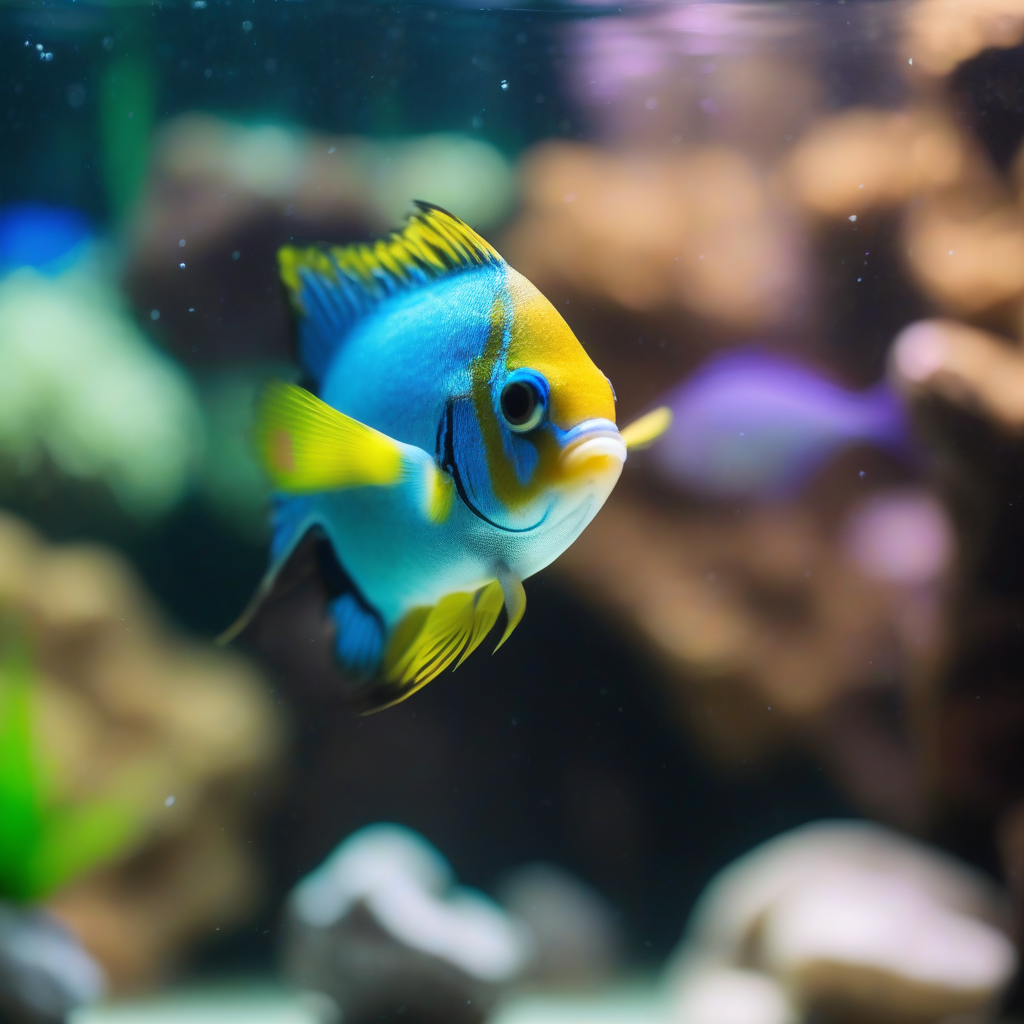
In this article, you will find comprehensive information on the insidious neurotoxic effects of heavy metal poisoning in aquarium fish, its symptoms, and lifesaving emergency intervention codes. This condition, which can arise from household water sources, improper equipment, or neglect, can severely threaten your fish's quality of life and lifespan.
Hamsters, despite their small size, are creatures capable of exhibiting complex behaviors. One such behavior is their pickiness, particularly when it comes to their diet. As a pet owner, you want to ensure that every bite your beloved companion takes provides them with the best. However, sometimes, their refusal to eat certain foods or their preference for specific items can be puzzling. Understanding the deep neurobiological mechanisms behind this behavior is the key to improving your hamster's health and happiness.
Selective eating in hamsters is not just a matter of being 'fussy.' These behaviors can be influenced by their genetic inheritance, their interactions with their environment, and even the complex microbial communities within their digestive systems.
Hamsters heavily rely on their sense of smell and taste. These senses are directly linked to the reward centers in their brains. The smell or taste of a particular type of food can trigger a positive neurochemical response in their brains, leading them to prefer that food. This is similar to how humans also have certain foods they are more inclined towards. However, these preferences do not always equate to the most nutritionally beneficial option.
The trillions of bacteria in your hamster's gut, the digestive microbiome, not only aid in digestion but also constantly communicate with their brain. This communication is known as the 'gut-brain axis.' The balance of bacteria in their microbiome can affect your hamster's appetite, nutrient absorption, and even which tastes they find more appealing. Some bacteria encourage the intake of specific nutrients, while others may cause them to avoid certain foods.
This topic is discussed in more detail in our article, Your Hamster's Secret 'Bacterial Wars': Digestive Microbiome's Neuro-Immune Secrets and Crisis Management!.
Hamster ancestors had to survive with limited resources in the wild. This led to evolved adaptations for storing, transporting, and selecting nutrient-rich foods. These instinctive behaviors can manifest as selective eating in pet hamsters. Their tendency to 'stash' food can also trigger a mechanism to try various foods and find the most suitable ones, rather than focusing on a single type of food.
For more information on how this evolutionary heritage is shaped, you can refer to our article Your Hamster's 'Underground Engineering': The Scientific Secrets of How Complex Tunnel Systems Shape Their Brain!.
The environment your hamster lives in, its interactions with food, and even its relationship with you can influence its feeding habits. For example, in a stressful environment or when feeling insecure, hamsters may choose their food more carefully or alter their eating habits. A negative experience, such as food causing digestive upset, can lead the hamster to completely avoid that food. This is a form of learned response.
For behavioral changes during the adaptation to a new environment, our articles Your Hamster's 'Silent Introduction Protocol': 5 Neurocognitive Secrets to Sensory Adaptation and Mutual Trust in a New Home! and Your Hamster's 'Invisible Defense Shield': 5 Neurocognitive Secrets Behind Biting and Avoidance in New Home Adaptation! will be helpful.
Every hamster is unique, and their genetic makeup can influence their dietary preferences. Some hamster species or individuals may have a natural predisposition towards certain tastes or textures. Similar to genetic predispositions in humans, this can cause them to find certain foods more appealing or reject them.
Addressing your hamster's selective eating behavior requires patience, observation, and the implementation of the right strategies. Here are 5 scientific approaches to help you:
Offer a Varied and Balanced Diet: Instead of offering just one type of food, provide a mix of high-quality hamster foods. This mix should include different grains, seeds, dried vegetables, and protein sources. Varying tastes and textures can help reduce pickiness by providing sensory stimulation. Clean the food bowl daily and only provide an amount that will last a few days.
Natural Chewing Materials and Habitat Enrichment: A hamster's teeth grow continuously and need to be worn down healthily. For this, provide them with safe, natural chewing toys. These toys not only support dental health but also simulate food-seeking behavior, providing mental stimulation.
For more information on this topic, check out our articles Your Hamster's 'Invisible Dental Labyrinth': 5 Insidious Health Threats of Overgrowing Teeth and Scientific Chewing Strategies! and Your Hamster's 'Invisible Architectural Needs': 5 Neurocognitive Secrets of Habitat Enrichment and Stress-Eliminating Designs!.
For more information on this important topic, we recommend reading our article Your Hamster's Secret 'Bacterial Wars': Digestive Microbiome's Neuro-Immune Secrets and Crisis Management!.
Patient Food Transition and Understanding 'Fresh Food Rejection': If your hamster rejects a new food, don't give up immediately. Gradually introduce the new food by mixing it in small amounts with their current food. Hamsters may initially reject fresh food. As highlighted in our article Your Hamster's 'Secret Scent Compass': Why Is It Rejecting Fresh Food? Scientific Secrets of Indigestible Proteins and 5 Breakthrough Strategies for Food Selection!, it's important to understand the underlying reasons for this.
Maintain Routine and Reduce Stress: Hamsters are creatures of habit. Keep feeding times consistent and avoid making drastic changes to food presentation. Stress can negatively affect their eating habits. Therefore, ensure your hamster's living environment is calm and free from sudden noises and disturbances. Playtime and social interactions can indirectly help resolve feeding issues by improving your hamster's overall well-being.
Unlocking your hamster's hidden diet tunnel requires combining patience, understanding, and scientific knowledge. With these strategies, you can ensure your companion is fed healthily and happily.
