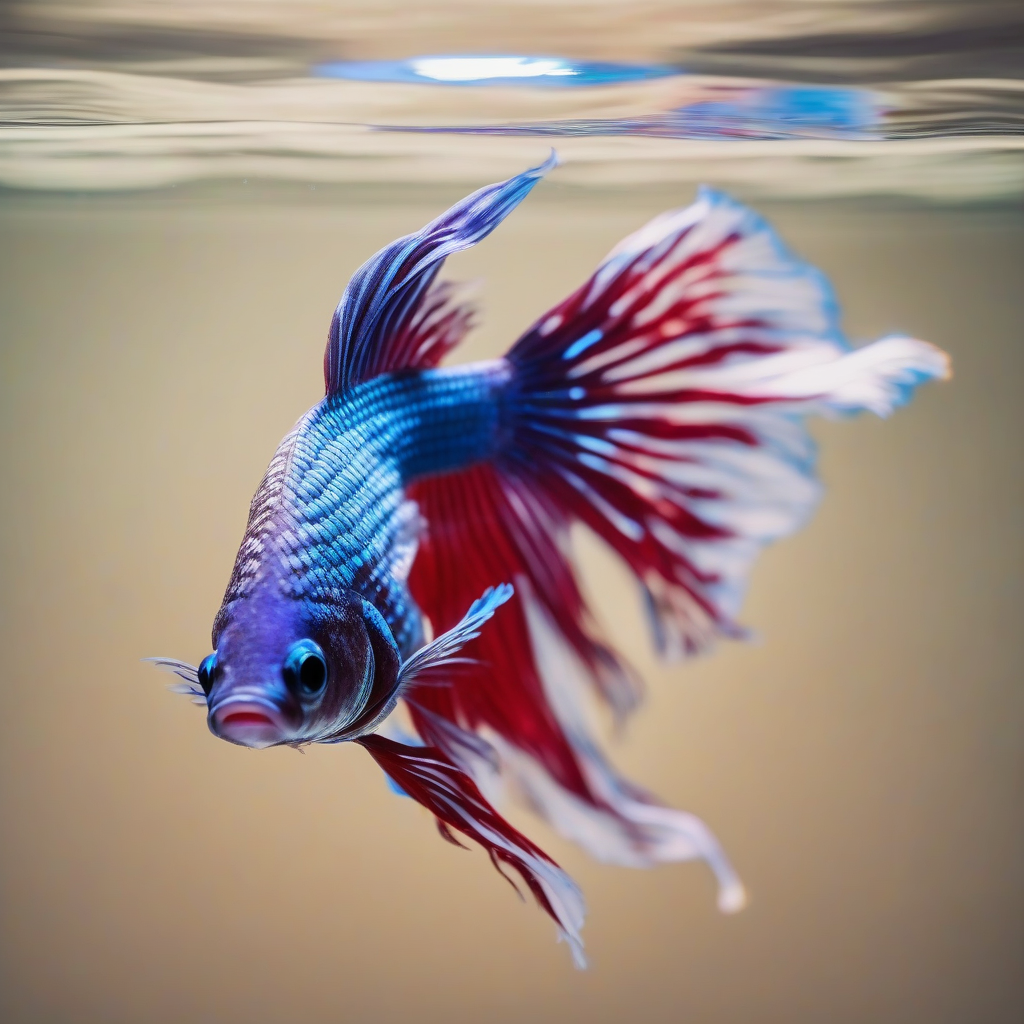
In this article, you will discover the neurophysiological mechanisms behind swim bladder issues in fish, the insidious signs of balance loss, and scientific strategies to tackle this condition. We will delve into critical information you need to know to improve the quality of life for your aquarium fish.


Discover the types of burns your dog can suffer, the 5 insidious neurophysiological effects these burns create in the brain and body, and lifesaving emergency intervention strategies in this comprehensive guide. We shed light on the dangers behind forgotten household accidents from a scientific perspective.

Discover the neurobiological signals of hidden stress your newly adopted cat experiences during adaptation to a new social environment. This article reveals 5 insidious signs of your cat's silent struggle and scientific strategies for peaceful, long-term harmony.

Your dog's anal sacs, located beneath the tail, can be hidden alarm bells often overlooked but profoundly affecting their quality of life. In this article, you will discover the 5 insidious neurobiological effects of anal sac problems on the brain and the lifesaving care secrets you need to know for your furry friend to live a peaceful life.
Aquarium fish bring tranquility to our living spaces with their silent and serene worlds. However, behind this calmness lies a delicate biological balance. When you notice your fish suddenly listing sideways, swimming upside down, or remaining motionless at the bottom of the aquarium, swim bladder problems are often suspected. But did you know that this condition is far more than simple bloating, with complex neurophysiological mechanisms underlying it? As of May 2026, we are here to decipher this mysterious labyrinth and offer scientific solutions to your fish's balance issues.
The swim bladder is a gas-filled organ that allows fish to maintain neutral buoyancy in water. Its function is not merely a simple physical balancer but a complex biological process meticulously controlled by the fish's nervous system. Special glands (red gland/gas gland) in the walls of the swim bladder absorb or release gas from the bloodstream, and this process is regulated by the autonomic nervous system. This neural network ensures optimal buoyancy by allowing the fish to adapt quickly to environmental changes (water depth, pressure). Loss of balance is a direct indication of a malfunction in this delicate neurophysiological control mechanism.
Swim bladder disorders are usually not caused by a single factor; rather, they can result from a combination of many interacting or complicating factors. Here are the 5 neurophysiological secrets behind balance loss in your fish:
Overfeeding, low-quality foods, or difficult-to-digest foods (e.g., large flake foods, too much dry food) can lead to excessive gas accumulation in the fish's digestive system. This gas causes the intestines to expand and exert physical pressure on the swim bladder. This mechanical pressure can stimulate or compress the nerve endings around the swim bladder (especially nerves like the vagus nerve), disrupting its normal gas exchange and neural control. This confuses the balance signals sent to the fish's brain, leading to abnormalities in swimming behavior.
For more information, you can read our article: Your Fish's Hidden Enzyme Factory: 5 Scientific Secrets of Proteases in Food Shaping Digestion and Neurocognitive Well-being!.
Sudden changes or high concentrations of water parameters like ammonia, nitrite, and nitrate negatively affect the overall health of fish, particularly their nervous system. Contaminated water can cause chronic stress in fish, increasing cortisol levels, which in turn can disrupt the autonomic nervous system's control over the swim bladder. Furthermore, excessive dissolved gas in the water (e.g., gas bubble disease) or insufficient oxygen levels can also prevent the swim bladder from functioning correctly, hindering the gas glands' operation and leading to balance problems.
For in-depth information on the importance of aquarium water quality, check out our article: Your Fish's 'Mysterious Water Chemistry' Secrets: 5 Sensitive Parameters and Scientific Care Strategies in the Aquarium.
Some fish species, especially ornamental fish developed through intensive selective breeding (e.g., goldfish, betta fish), are more prone to congenital swim bladder or spinal deformities. These anatomical defects can prevent the swim bladder from developing or functioning properly. Spinal curvatures or pinched nerves can directly affect the neural pathways that control the swim bladder, permanently impairing the fish's swimming and balancing ability. These conditions are often associated with neurological developmental disorders.
Bacterial, fungal, or parasitic infections can directly or indirectly lead to inflammation in the swim bladder tissue. This inflammation can cause the walls of the swim bladder to thicken, impairing gas exchange and creating pressure on nerve endings. Systemic infections can also affect the fish's central nervous system, weakening the motor neurons' ability to coordinate swimming movements. This leads to significant abnormalities in the fish's overall behavior and balance control.
Our article, Hidden Danger in Your Fish Aquarium: 5 Insidious Neurometabolic 'Silent Inflammation' Signals in Water and Their Solutions!, explains the effects of inflammation on aquarium fish in more detail.
Fish, like other living creatures, react to stress. Chronic stress factors in the aquarium, such as overcrowding, aggressive tank mates, sudden changes in light or temperature, and insufficient hiding places, increase cortisol (stress hormone) secretion in the fish's body. High cortisol levels can disrupt the delicate mechanisms by which the autonomic nervous system regulates the swim bladder's gas production and absorption. This affects the normal function of the swim bladder, weakening the fish's balance control and leading to abnormal swimming behaviors. The neurocognitive effects of chronic stress deeply impact the fish's overall well-being.
For other signs and management of stress in your fish, we recommend reading our article: Your Fish's Secret Mind Map: 5 Neurocognitive Secrets to Hearing the 'Stress Sirens' in the Aquarium.
Early diagnosis of swim bladder problems is critical for successful treatment. You should be vigilant if you observe the following signs in your fish:
Although swim bladder problems are complex, they can often be managed or treated with science-based approaches:
Feeding easily digestible, fibrous foods (e.g., de-shelled peas) can reduce intestinal gas accumulation. Fasting for a few days can help the digestive system rest and regain its natural balance. Opting for sinking foods instead of floating foods also reduces the risk of gulping air.
Regularly testing aquarium water and keeping ammonia, nitrite, and nitrate levels within optimal ranges is essential. Partial water changes, proper filtration, and stable water temperature minimize stress and toxin buildup. Avoiding excessive current can reduce the fish's swimming effort, alleviating pressure on the swim bladder.
If the condition does not improve, it is important to consult an exotic animal veterinarian. The vet may recommend antibiotics for infections, antiparasitic medications, or specific dietary supplements. In some cases, surgical intervention or injections may be required to release excessive gas from the swim bladder.
Providing hiding places for fish to feel calm and secure, separating them from aggressive tank mates, and avoiding sudden changes in the aquarium environment are crucial. Optimal lighting cycles and controlled noise levels also help reduce stress.
The best way to prevent swim bladder problems is through consistent and careful care:
Conclusion
Your fish's swim bladder problems are not just a physical ailment but a reflection of complex neurophysiological processes. Understanding the secrets of this hidden labyrinth, combined with early diagnosis and scientific solutions, can ensure your fish lives a healthy and balanced life. Remember that every living creature in your aquarium can achieve the well-being it deserves with delicate care and knowledge. By maintaining regular communication with your veterinarian, you can determine the most accurate strategy for such sensitive conditions.
