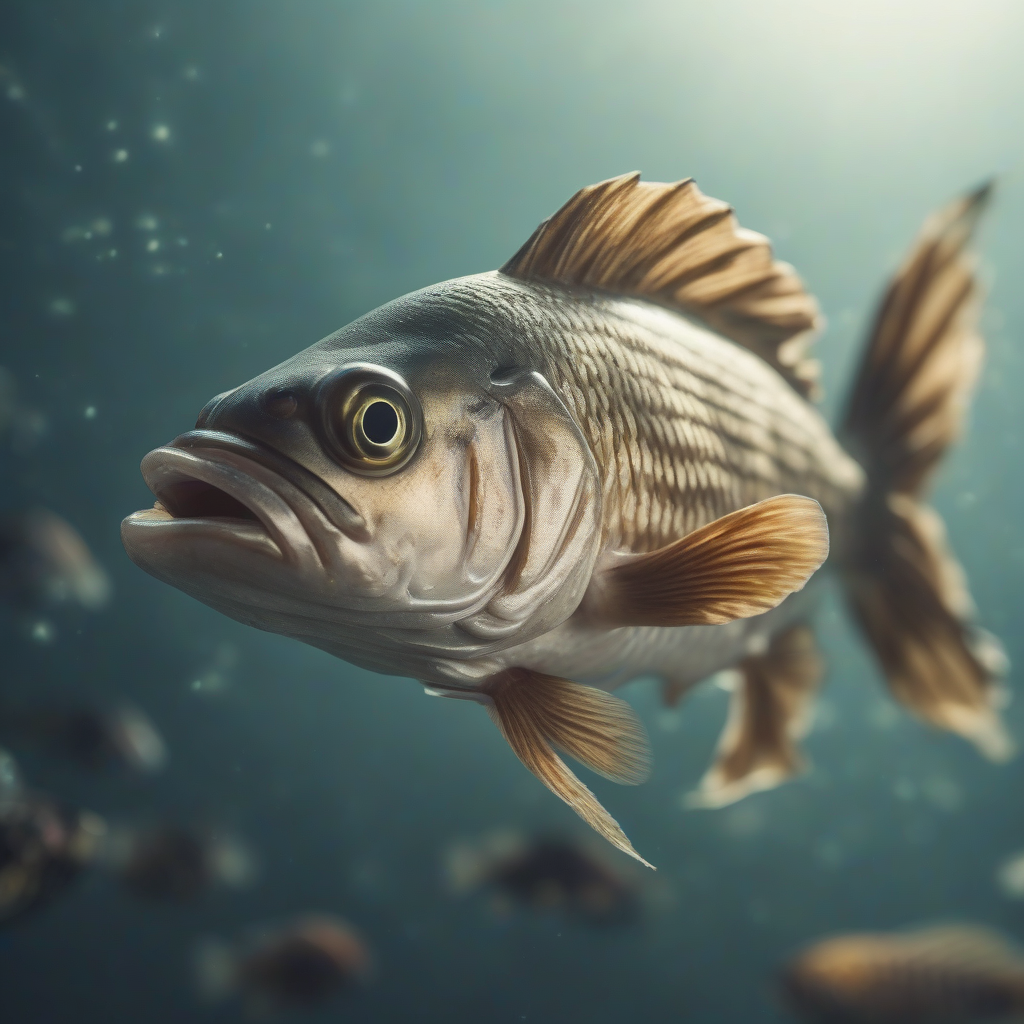
Dive into the depths of your fish's memory and learning abilities, and uncover the 5 neurocognitive secrets behind their aquarium behavior.


Discover the types of burns your dog can suffer, the 5 insidious neurophysiological effects these burns create in the brain and body, and lifesaving emergency intervention strategies in this comprehensive guide. We shed light on the dangers behind forgotten household accidents from a scientific perspective.

Discover the neurobiological signals of hidden stress your newly adopted cat experiences during adaptation to a new social environment. This article reveals 5 insidious signs of your cat's silent struggle and scientific strategies for peaceful, long-term harmony.

Your dog's anal sacs, located beneath the tail, can be hidden alarm bells often overlooked but profoundly affecting their quality of life. In this article, you will discover the 5 insidious neurobiological effects of anal sac problems on the brain and the lifesaving care secrets you need to know for your furry friend to live a peaceful life.
Fish are often perceived as simple reflex-driven creatures, but they continue to surprise us with their complex neurological structures and impressive learning capacities. Did you know that your aquarium's silent residents possess a far deeper cognitive world than you might imagine? As of April 2026, current scientific research reveals that fish can not only react instantaneously but also store information in their memories and utilize this information to shape their behavior in specific situations. In this article, we will delve into your fish's 'mysterious memory tunnels' and illuminate 5 fundamental neurocognitive secrets behind their learning and recall abilities in the aquarium.
Fish can mentally map their aquarium as if it were a territory. This ability extends beyond mere instincts for finding food or escaping danger. They mentally locate specific feeding spots, hiding places, and even social interactions with tank mates. This spatial memory allows them to navigate the aquarium more efficiently and interact more effectively with their environment. For instance, as discussed in our article, Discover Your Fish's 'Secret Taste Language': 5 Little-Known Neurobiological Sensitivities of Food Selection and a Health Revolution for Your Aquarium!, they can retain knowledge of where to find different types of food.
Fish, like many other animals, can learn new behaviors through conditioning. In classical conditioning, when a neutral stimulus (e.g., a light or sound) is repeatedly paired with a naturally arousing stimulus (e.g., food), the neutral stimulus alone can eventually trigger that response. In operant conditioning, the positive or negative consequences of a behavior influence the likelihood of that behavior being repeated. For example, rewarding a specific behavior (by providing food) increases the probability of that behavior occurring in the future. This becomes even more apparent when we delve into topics like Your Fish's 'Silent Learning Algorithm' in the Aquarium: 5 Neurocognitive Secrets to Mastering Simple Commands!.
Certain fish species can acquire knowledge and skills through their tank mates. This is particularly observed in aspects like feeding habits, avoidance of dangerous areas, or adaptation to social hierarchies. Learning through observation enhances their chances of survival and promotes greater harmony within social groups. Articles such as Your Fish's 'Social Communication Codes': 5 Insidious Neurocognitive Hurdles in New Tank Mate Acceptance and Scientific Harmony Secrets! and Your Fish's 'Aquarium Social Intelligence': 5 Hidden Neurocognitive Hurdles of Meeting a New Tank Mate and Harmony Secrets offer a starting point for understanding these complex social dynamics.
Fish's senses of sight, hearing, and smell are closely linked to their memory. Specific light changes, sounds, or the scent of food can create an expectation of feeding time in their brains. This leads fish to become more active around feeding times and congregate near the feeding areas. Some species can even recognize the person who feeds them and react accordingly. This sensory memory is also related to how routines in the aquarium affect fish psychology. It connects with topics like Discover Your Fish's 'Secret Taste Language': 5 Little-Known Neurobiological Sensitivities of Food Selection and a Health Revolution for Your Aquarium!.
Negative experiences can leave long-lasting impacts on a fish's memory. Stressors such as sudden light changes, loud noises, drastic water quality drops, or aggressive tank mates can trigger fear and avoidance responses in their brains. These experiences can negatively affect their behavior and overall well-being in the aquarium in the long term. For instance, situations like Hidden Danger in Your Fish Aquarium: 5 Insidious Neurometabolic 'Silent Inflammation' Signals in Water and Their Solutions! can adversely affect not only physical health but also the fish's psychology. Similarly, conditions like Your Fish's Hidden 'Electrolyte Crises': 5 Insidious Neurophysiological Signs of Sudden Lethargy and Lifesaving Scientific Intervention Codes! can also be stress-induced.
Fish's memory and learning abilities are crucial for their well-being in the aquarium. Good memory helps them better understand their environment, form social relationships, and avoid potential dangers. Conscious care and aquarium design allow fish to utilize these neurocognitive abilities to their fullest, enabling them to lead happier and healthier lives. Our article Your Fish's Secret Mind Map: 5 Neurocognitive Secrets to Hearing the 'Stress Sirens' in the Aquarium offers a deeper look into this topic.
The intelligence potential and learning abilities of your fish are a fascinating area often overlooked. By taking a journey through their memory tunnels, we can understand not only their behavior in the aquarium but also how rich their cognitive world truly is. With this knowledge, you can provide more informed care for your fish, contributing to their development not just physically but also mentally and emotionally. Remember, every fish is a neurocognitive universe waiting to be explored.
