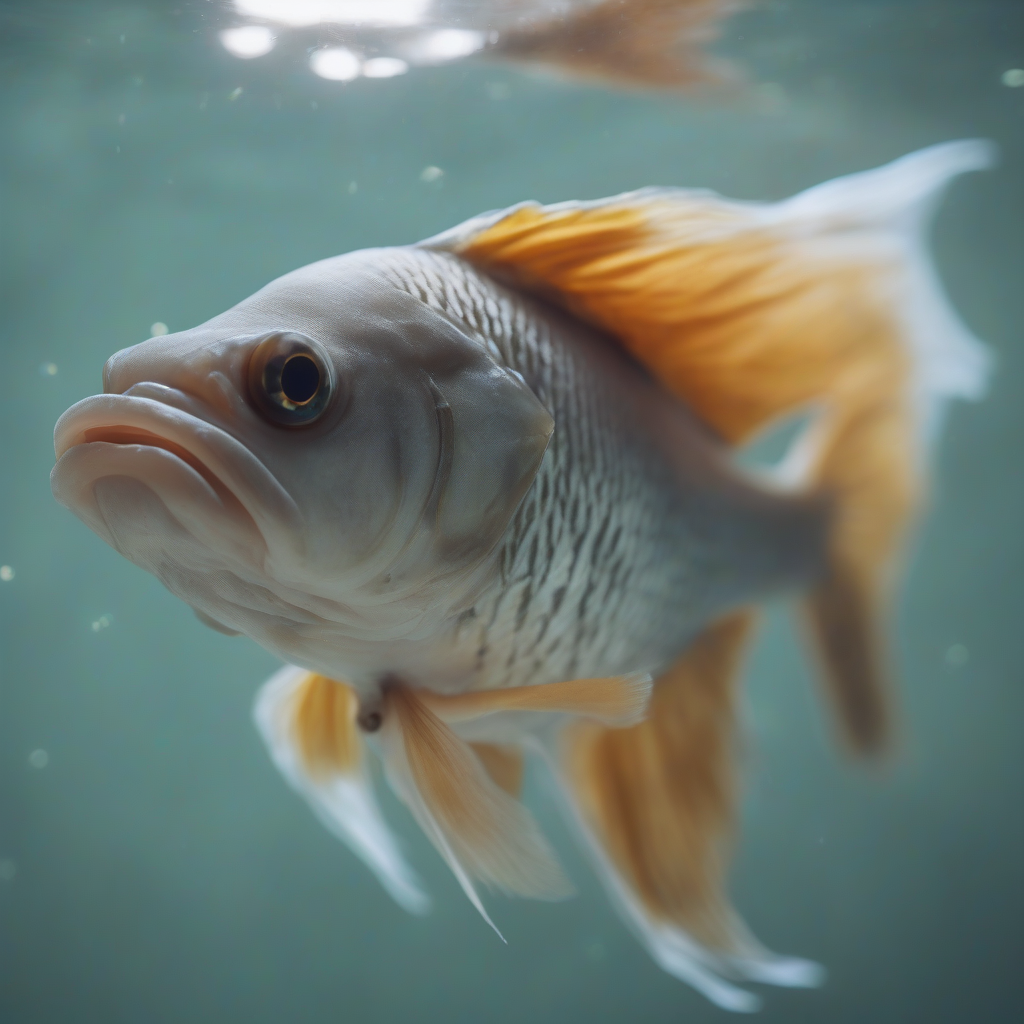
Discover the invisible internal injuries and neurobiological shock mechanisms caused by sudden physical trauma in your fish. In this guide, you will learn to recognize 5 insidious signs and apply scientific intervention protocols in emergencies.


Discover the neurobiological signals of hidden stress your newly adopted cat experiences during adaptation to a new social environment. This article reveals 5 insidious signs of your cat's silent struggle and scientific strategies for peaceful, long-term harmony.

Your dog's anal sacs, located beneath the tail, can be hidden alarm bells often overlooked but profoundly affecting their quality of life. In this article, you will discover the 5 insidious neurobiological effects of anal sac problems on the brain and the lifesaving care secrets you need to know for your furry friend to live a peaceful life.

In this article, you will find comprehensive information on the insidious neurotoxic effects of heavy metal poisoning in aquarium fish, its symptoms, and lifesaving emergency intervention codes. This condition, which can arise from household water sources, improper equipment, or neglect, can severely threaten your fish's quality of life and lifespan.
Fish, the serene beauties of the aquarium world, may appear resilient, but they are quite delicate when faced with sudden physical trauma. Often overlooked, or even entirely unrecognized, internal injuries can trigger a deadly chain reaction in a fish's neurobiological system, described as 'shock.' This situation demands immediate and scientifically grounded intervention. So, how can you identify the invisible trauma your fish is experiencing, and what critical steps should you take to save its life?
Fish can suffer from sudden physical traumas such as falls, collisions, contact with sharp objects, or aggression within the aquarium. Even if no external wounds are visible, such traumas can cause severe damage to internal organs (swim bladder, internal organs, spine). Like mammals, the fish's nervous system responds to trauma with a stress response. This response includes the activation of the sympathetic nervous system, the release of stress hormones like cortisol, and the redistribution of blood flow. Shock occurs when these physiological responses become excessive, leading to the collapse of bodily systems. Internal bleeding, organ damage, and subsequent electrolyte imbalances rapidly diminish the fish's chances of survival. Understanding these neurobiological processes is critical for timely and correct intervention.
The symptoms you observe in your fish after acute physical trauma can often be confused with general stress or signs of illness. However, the following 5 insidious signs should heighten suspicion of internal injury:
A traumatized fish may exhibit unusual behaviors. Responses such as constantly hiding after a sudden fright, remaining motionless on the surface or bottom of the aquarium (lethargy), or swimming frantically and aimlessly around the tank can be observed. A sudden placidity in a normally active fish, or conversely, excessive activity in a calm fish, is noteworthy.
The fish may lose its swimming balance, swimming on its side, or maintaining an abnormal head-down or tail-down position. This could be a sign of swim bladder or spinal injuries. Significant deviations from normal swimming patterns are indicative of internal trauma. Sudden darting or wobbling during swimming may also occur.
In a fish going into shock from internal injury, the respiratory rate may change. Rapid and shallow breathing, excessive gill movement, or abnormal opening and closing of gill covers are common signs. In some cases, paleness or bruising in the gill color may also be observed. These conditions can resemble respiratory crises detailed in the article Your Fish's 'Hidden Respiratory Crises': 5 Critical Lifesaving Scientific Interventions for Sudden Breathlessness in the Aquarium! and require immediate action.
Stress and shock tend to fade a fish's natural colors. In cases of internal bleeding or organ damage, bruising or dark spots may appear on specific areas of the body. Raised scales (distinct from dropsy, localized to the trauma area) or shedding of scales may also be observed.
After trauma, fish may refuse to eat or have difficulty digesting food. Swelling in the abdominal area or abnormal feces may be observed. These symptoms can indicate internal organ damage or a digestive system shut down due to shock.
If you suspect acute physical trauma in your fish, immediately implementing the following scientifically based first aid protocols is vital:
Immediately move the traumatized fish from the main aquarium to a separate, well-aerated, and clean quarantine tank (hospital tank). This prevents other fish from disturbing it and allows it to focus on recovery by reducing stress. The quarantine tank provides an ideal environment for close observation and administering treatment.
Ensure that the water parameters (pH, temperature, ammonia, nitrite, nitrate) in the quarantine tank are at optimal levels. Avoid sudden temperature changes and perform regular partial water changes to maintain water cleanliness. Dim or darken the tank lights to create a calm environment. The importance of aquarium filtration should not be overlooked during this process; the article The 'Hidden Microbial Factory' in Your Aquarium: 5 Overlooked Vital Secrets of Filter Maintenance and Scientific Methods to Scientifically Extend Your Fish's Lifespan! highlights how critical a healthy aquarium environment is.
Trauma and shock can disrupt a fish's electrolyte balance. To support this, adding 0.1% to 0.3% non-iodized aquarium salt to the quarantine tank can be beneficial. Salt helps reduce the fish's osmotic stress, allowing it to conserve energy and focus on healing. However, ensure your fish species is salt-tolerant before use. For more information on the importance of electrolyte balance and intervention methods, you can refer to our content Your Fish's 'Hidden Ion Sea': 5 Deadly Signs of Electrolyte Imbalance in Aquariums and Lifesaving Scientific Intervention!.
Physical traumas weaken the fish's immune system, making it vulnerable to secondary bacterial or fungal infections. Therefore, a broad-spectrum antibacterial or antifungal medication may be used under the guidance of a veterinarian. If external wounds are visible, special wound-healing products or antiseptic baths designed for fish may be considered. To protect skin health and prevent microbiological threats, it is important to follow the advice in the article Your Fish's 'Invisible Scars': The Insidious Effects of Microbiological Threats on Skin Health in Aquariums and 5 Scientific Protection Shields!.
If your fish's condition does not improve or rapidly worsens despite the above steps, consult an aquatic veterinarian without delay. A veterinarian can use advanced diagnostic methods (radiography, ultrasonography) to assess the extent of the trauma and suggest more specific treatment protocols. Remember, early diagnosis and professional intervention are key to saving your fish's life.
Although sudden physical trauma can be a frightening situation for fish owners, being equipped with scientific knowledge and acting quickly will significantly increase your tiny friend's chances of recovery. Making your aquarium environment safe, avoiding sharp decorations, and managing aggression between fish species are preventative steps you can take to avoid such situations. Recognizing early signs and applying the correct first aid protocols play a vital role in your fish's recovery from shock.
