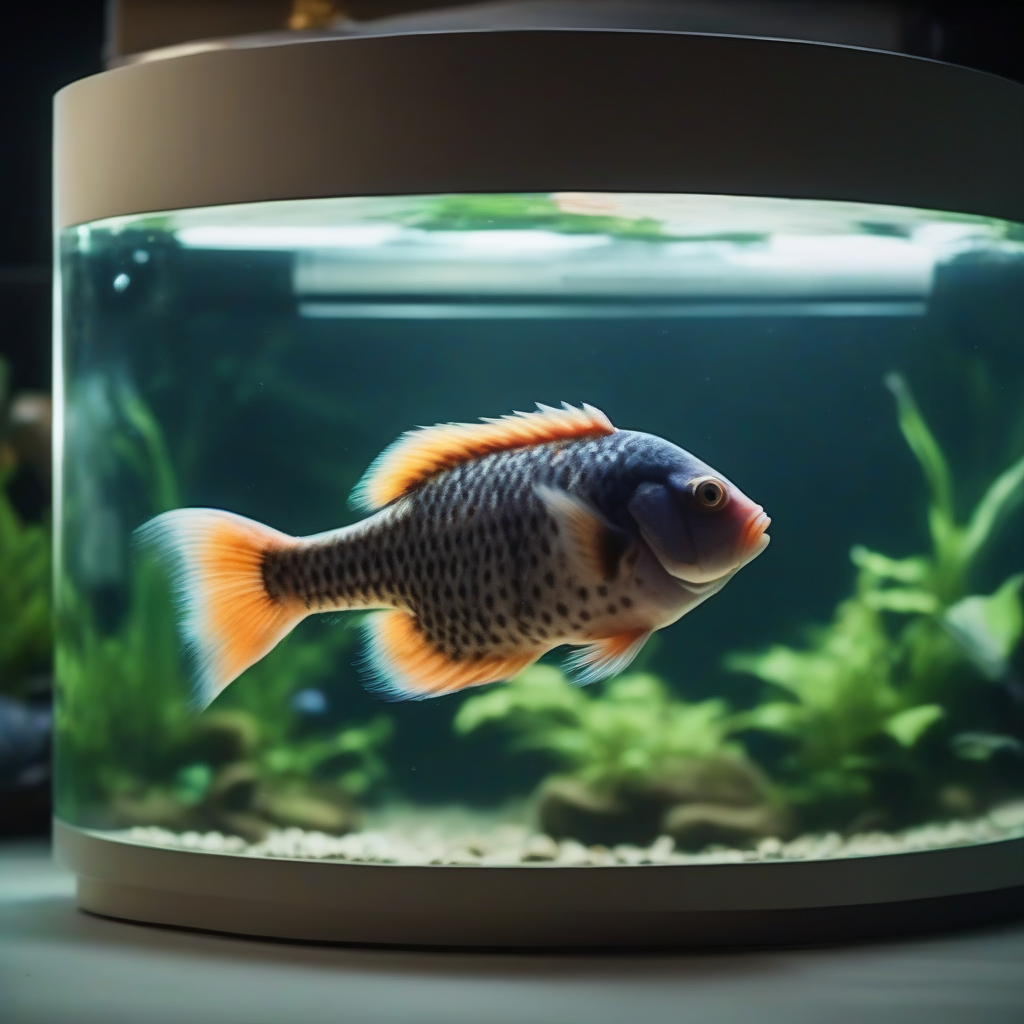
In this article, you will find comprehensive information on the neurological and hormonal responses of your fish to invisible environmental stress factors in the aquarium, the insidious effects of these triggers, and scientifically proven resilience strategies.


Discover the types of burns your dog can suffer, the 5 insidious neurophysiological effects these burns create in the brain and body, and lifesaving emergency intervention strategies in this comprehensive guide. We shed light on the dangers behind forgotten household accidents from a scientific perspective.

Discover the neurobiological signals of hidden stress your newly adopted cat experiences during adaptation to a new social environment. This article reveals 5 insidious signs of your cat's silent struggle and scientific strategies for peaceful, long-term harmony.

Your dog's anal sacs, located beneath the tail, can be hidden alarm bells often overlooked but profoundly affecting their quality of life. In this article, you will discover the 5 insidious neurobiological effects of anal sac problems on the brain and the lifesaving care secrets you need to know for your furry friend to live a peaceful life.
It is a common belief that aquarium fish lead a calm and peaceful life. However, deep beneath the water's surface, many unseen environmental factors can trigger insidious stress responses in your fish's neurological and endocrine systems. These invisible threats can, in the long run, weaken the immune system, stunt growth, and even lead to premature death. As a veterinary content strategist, in this article, we will examine the complex neurobiological mechanisms fish develop to cope with stress, the 5 insidious environmental triggers in the aquarium, and scientific resilience strategies you can implement to minimize these effects.
Fish, like mammals, possess a complex neuroendocrinological system to cope with stress. When stress factors are perceived, the hypothalamus in the fish's brain releases corticotropin-releasing hormone (CRH). This hormone stimulates the pituitary gland, triggering the production of adrenocorticotropic hormone (ACTH). ACTH then reaches the interrenal glands located on the kidneys, leading to the secretion of stress hormones like cortisol. In chronic stress situations, this cycle remains continuously active, negatively affecting the fish's physiology and behavior.
Cortisol alters energy metabolism, suppresses the immune system, and affects reproductive functions. Additionally, during the stress response, catecholamines such as epinephrine (adrenaline) and norepinephrine (noradrenaline) are released. These hormones increase heart rate, respiration, and blood pressure, supporting a short-term “fight or flight” response. However, prolonged release can have debilitating effects on the cardiovascular system and may cause your fish to show signals of sudden energy loss.
For fish, stress is not just about predatory threats. Even subtle changes in the aquarium environment can lead to severe hormonal disruptions. Here are the 5 most common environmental triggers:
Sudden increases in ammonia, nitrite, nitrate levels, or fluctuations in pH values severely disrupt the fish's salt and water balance (osmoregulation). This situation increases the fish's energy expenditure, raising cortisol levels. Continuously poor water quality exhausts the fish's internal regulatory mechanisms and induces chronic stress. The vital secrets of filter maintenance in the aquarium are critically important at this point.
Fish, like humans, have biological rhythms. Incorrect or irregular lighting cycles (e.g., prolonged lighting, sudden turning on/off) disrupt the production and regulation of the hormone melatonin. Melatonin affects fish sleep-wake cycles, reproductive behaviors, and immune functions. Irregular rhythms lead to chronic stress and hormonal imbalance. For more information on the physiological effects of aquarium lighting, check out our article on Your Fish's 'Hidden Light Source'.
In their natural habitats, fish need hiding places such as vegetation, rocks, or driftwood to protect themselves from predators or aggressive species. A lack of sufficient hiding spots in the aquarium creates a constant perception of threat in fish. This situation causes the Hypothalamic-Pituitary-Kidney (HPK) axis to remain constantly active, leading to chronic cortisol secretion. Adequate plant selection and placement play a key role in reducing this stress. You can benefit from our article Your Fish's 'Hidden Aquarium Garden' on this topic.
An overcrowded aquarium increases competition among fish. This situation is a constant source of social stress, especially in hierarchical or territorial species. Weaker or smaller fish may be continuously subjected to aggression from dominant fish. This constant social interaction raises cortisol levels in both aggressive and victim fish, leading to chronic stress. Neurocognitive conflicts experienced during initial contact with a new tank mate can trigger this hormonal imbalance.
Loud noises (music, television, slamming doors) or vibrations (running children, heavy furniture movement) in the environment where the aquarium is located can be sudden and unexpected stress factors for fish. Fish perceive vibrations and low-frequency sounds in the water through their lateral line organs. This situation alarms the fish's nervous system, causing sudden catecholamine release and, in the long term, increasing sensitivity to stress.
Strengthening your fish's neurological stress shield is essential for them to live a healthy and long life. These strategies focus on optimizing environmental conditions and supporting the fish's natural behaviors.
Carefully observe your fish's behavior. Stressed fish often show symptoms such as loss of appetite, fading colors, hiding, clamped fins, or abnormal swimming movements. Early detection of these symptoms allows you to identify and intervene in the source of stress. Regular maintenance, balanced nutrition, and observation are the cornerstones of maintaining your fish's neurological stress shield.
Remember, your fish's well-being is directly related to the scientific principles of aquarium environment setup and maintenance. Understanding invisible stress factors and taking proactive measures against them will ensure they lead a healthy and happy life.
