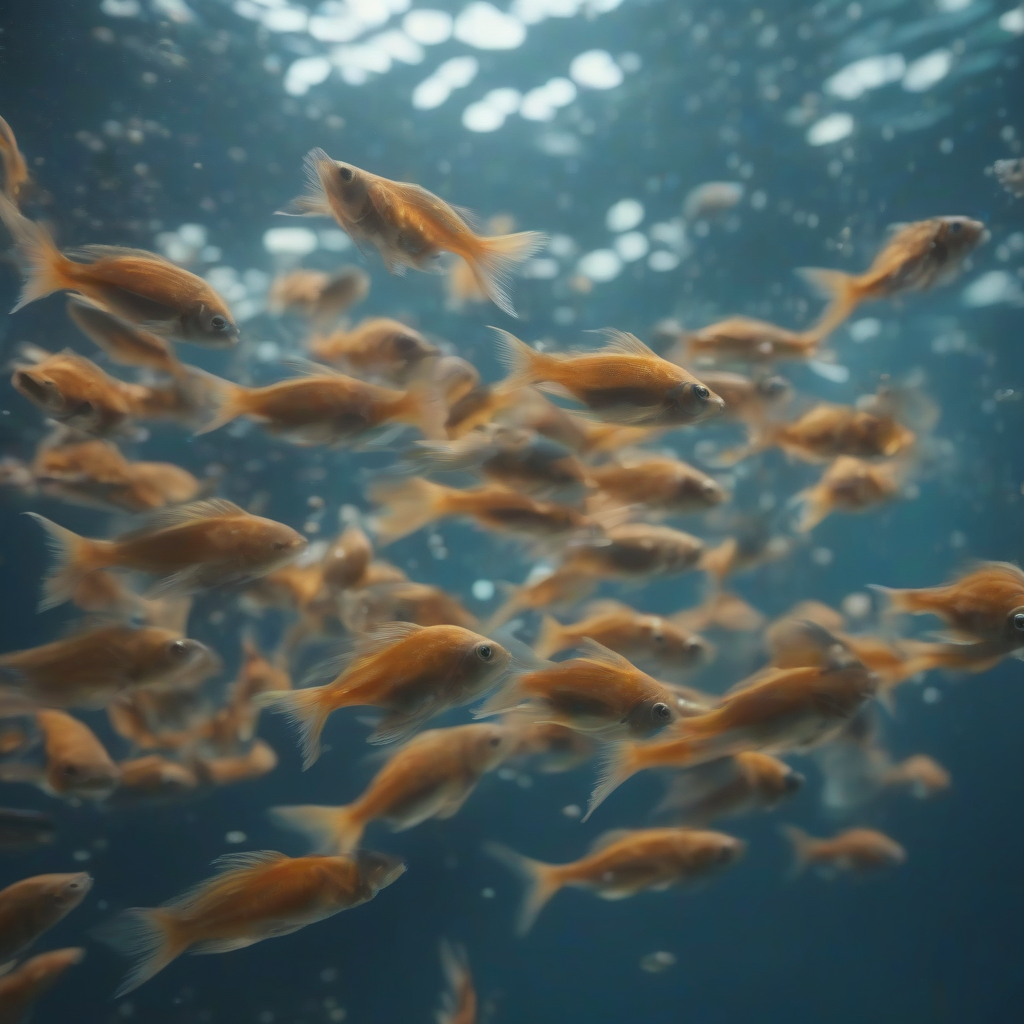
In this article, you will discover the profound and often overlooked effects of water flow in your aquarium on your fish's physiology. Learn how to maximize your fish's quality of life with 5 scientific secrets to creating optimal current.


Discover the types of burns your dog can suffer, the 5 insidious neurophysiological effects these burns create in the brain and body, and lifesaving emergency intervention strategies in this comprehensive guide. We shed light on the dangers behind forgotten household accidents from a scientific perspective.

Discover the neurobiological signals of hidden stress your newly adopted cat experiences during adaptation to a new social environment. This article reveals 5 insidious signs of your cat's silent struggle and scientific strategies for peaceful, long-term harmony.

Your dog's anal sacs, located beneath the tail, can be hidden alarm bells often overlooked but profoundly affecting their quality of life. In this article, you will discover the 5 insidious neurobiological effects of anal sac problems on the brain and the lifesaving care secrets you need to know for your furry friend to live a peaceful life.
While many aquarium enthusiasts pay great attention to factors such as water quality, temperature, and lighting, they often overlook the profound and multifaceted effects of water flow (current) in the aquarium on fish health and well-being. Yet, in their natural habitats, fish are exposed to constantly changing currents with a specific pattern. These currents are like the conductor of an invisible orchestra, influencing everything from their physiological processes to their behavioral responses. In April 2026, WikiPet unveils the secrets of this invisible force and offers scientific strategies to help you create an optimal living space for your fish in your aquarium.
Water flow is one of the most critical components of the oxygen cycle in an aquarium. Insufficient or imbalanced current can create stagnant water zones, leading to a drop in oxygen levels. Oxygen is the fundamental source of life that fish absorb through their gills. Research shows that adequate water movement increases gas exchange at the water's surface, allowing more oxygen to dissolve into the water. Furthermore, current ensures that fresh oxygenated water continuously passes over the fish's gills, enhancing respiratory efficiency. Insufficient current can lead to fish breathing faster, increased stress, and long-term respiratory problems. Therefore, optimal current is vital for the gill health of your fish. (You can delve into the details of gill health in our article: Your Fish's 'Silent Scream': Uncover the 5 Unknown Causes of Gill Blockage and 5 Lifesaving Scientific Interventions!)
In their natural environments, fish constantly exercise their muscles by swimming against currents. A proper water flow simulation in an aquarium helps your fish maintain and develop muscle tone. Fish in aquariums with weak currents cannot exhibit natural swimming behaviors and may experience muscle atrophy over time. This can lead to weakened immune systems, decreased energy levels, and overall deterioration of physical condition. Especially for active swimming species, light to moderate currents created in specific areas provide them with physical and mental stimulation, contributing to their resilience and health.
Fish are generally adapted to specific current conditions by nature. Deviations from these natural conditions in an aquarium can cause stress. For instance, some species prefer calm waters, while others seek strong currents. Incorrect current levels can make fish feel insecure, leading them to hide or exhibit escape behaviors. Optimal current provides a suitable environment for fish to display their natural behaviors (schooling, hunting), thereby reducing stress levels. Stress reduction strengthens the immune system and increases resistance to diseases. Additionally, general environmental factors in the aquarium deeply affect fish well-being. For example, the article Your Fish's 'Insidious Thermal Fluctuations': 5 Invisible Physiological Effects of Aquarium Temperature Changes and Lifesaving Scientific Stabilization Strategies! examines the effects of temperature on stress.
Water flow plays a key role in transporting waste materials (food remnants, feces) to the filter system in the aquarium. Insufficient current creates 'dead spots' in certain areas of the aquarium. In these dead spots, waste accumulates, leading to an increase in harmful compounds like ammonia and nitrite. This degrades water quality and creates a toxic environment for fish. A strong and balanced current keeps these wastes constantly moving and directs them to the filter, ensuring the water remains cleaner and healthier. This is directly related to filter efficiency, as detailed in the article The 'Hidden Microbial Factory' in Your Aquarium: 5 Overlooked Vital Secrets of Filter Maintenance and Scientific Methods to Scientifically Extend Your Fish's Lifespan!.
Fish feeding habits and predatory instincts are directly affected by water flow. In their natural environments, many fish species have evolved to catch nutrients carried by the current. In an aquarium, appropriate current ensures that food is naturally distributed throughout the tank, allowing fish to exhibit more active hunting and feeding behaviors. Insufficient current can lead to food accumulating in one spot, some fish getting less food, and others overfeeding. This can increase feeding competition and have adverse effects on overall health.
Optimal water flow varies depending on your fish species, aquarium size, and plant/decoration arrangement. Here are some scientific strategies you can implement:
External filters or powerful internal filters generally provide sufficient current. Position your filter's outlet to spread the current over a wide area of the aquarium. You can use diffusers or flow directors to prevent the current from hitting one spot too intensely. The filter's capacity should be at least 4-5 times your aquarium's volume (gallons per hour).
For some fish species (e.g., tropical river fish) or large aquariums, additional powerheads may be necessary. Place these pumps at different points in the aquarium to create a wavy or circular current pattern. However, it's important to avoid excessive current; calm areas should also be left for your fish to swim and rest comfortably.
Rocks, driftwood, and plants in the aquarium shape the water flow. With strategic placement, you can reduce dead spots and direct the current. For example, in areas with dense vegetation, the current may be slower, while stronger currents can be created in open swimming areas. However, when choosing plants, also consider the physiological effects discussed in the article Your Fish's 'Hidden Aquarium Garden': 5 Unknown Physiological Secrets of Plant Selection and Placement.
Regularly observe your fish's behavior. If fish constantly avoid the current, squeeze themselves into plants or decorations, or exert excessive effort, the current level is likely too high. Conversely, if you observe lethargy or inactivity, the current may be insufficient. Adjust current levels gradually to find the optimal balance for your fish.
Water flow in the aquarium is a vital factor for your fish's health, physical condition, and behavioral well-being. Properly managing this 'invisible orchestra' ensures your fish live in conditions closest to their natural environment, offering them a long, healthy, and happy life. The care you show for water flow in your aquarium is one of the most important ways to bring a scientific approach to your hobby and enhance the quality of life for your fish.
