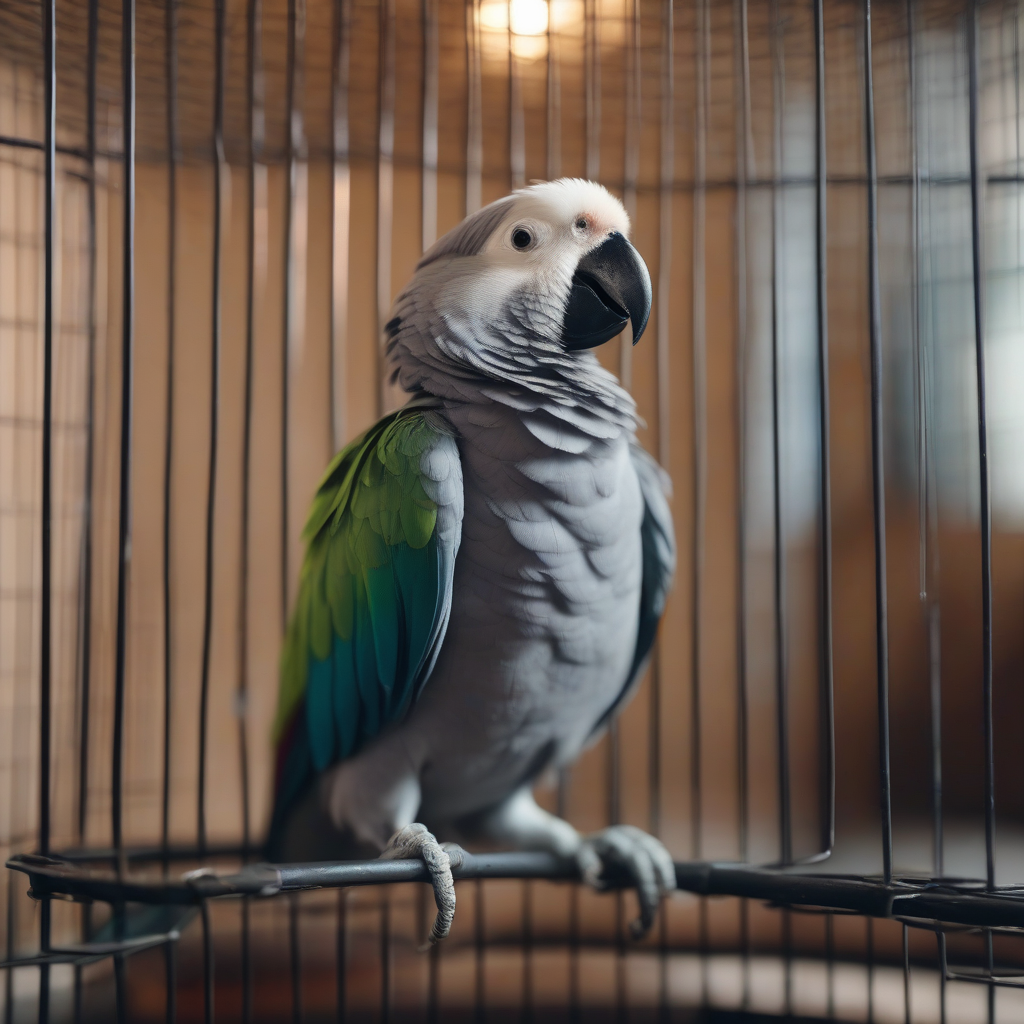
In this article, you will discover the 5 hidden psychological triggers behind your bird's feather plucking behavior and the scientific strategies you can implement to solve this complex problem. Enhance your little friend's quality of life with expert veterinary insights.

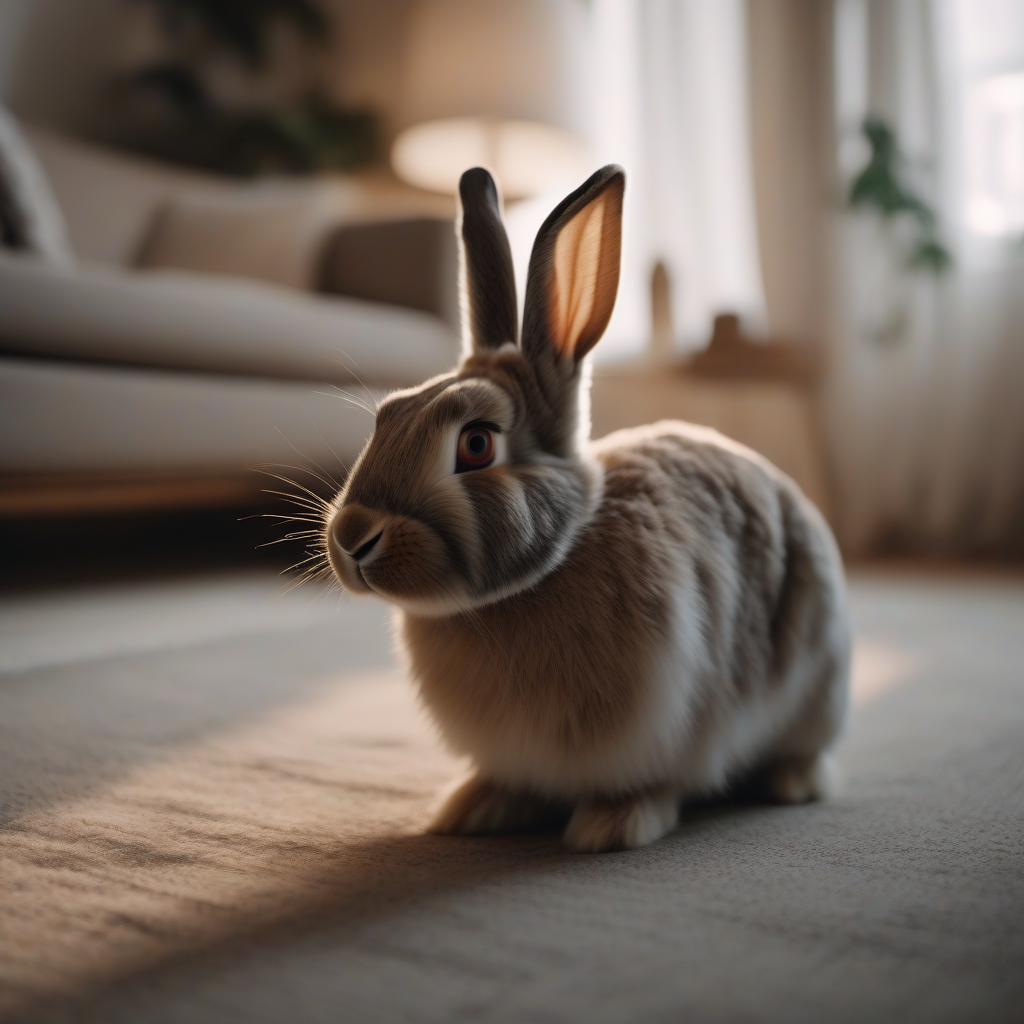
In this article, you will discover the little-known but profound effects of the acoustic environment in rabbit living spaces on their brain health and general well-being, exploring the neurobiological consequences of both sound deprivation and overstimulation, and scientific secrets to creating a peaceful environment. Understand and optimize your rabbit's world with expert tips.
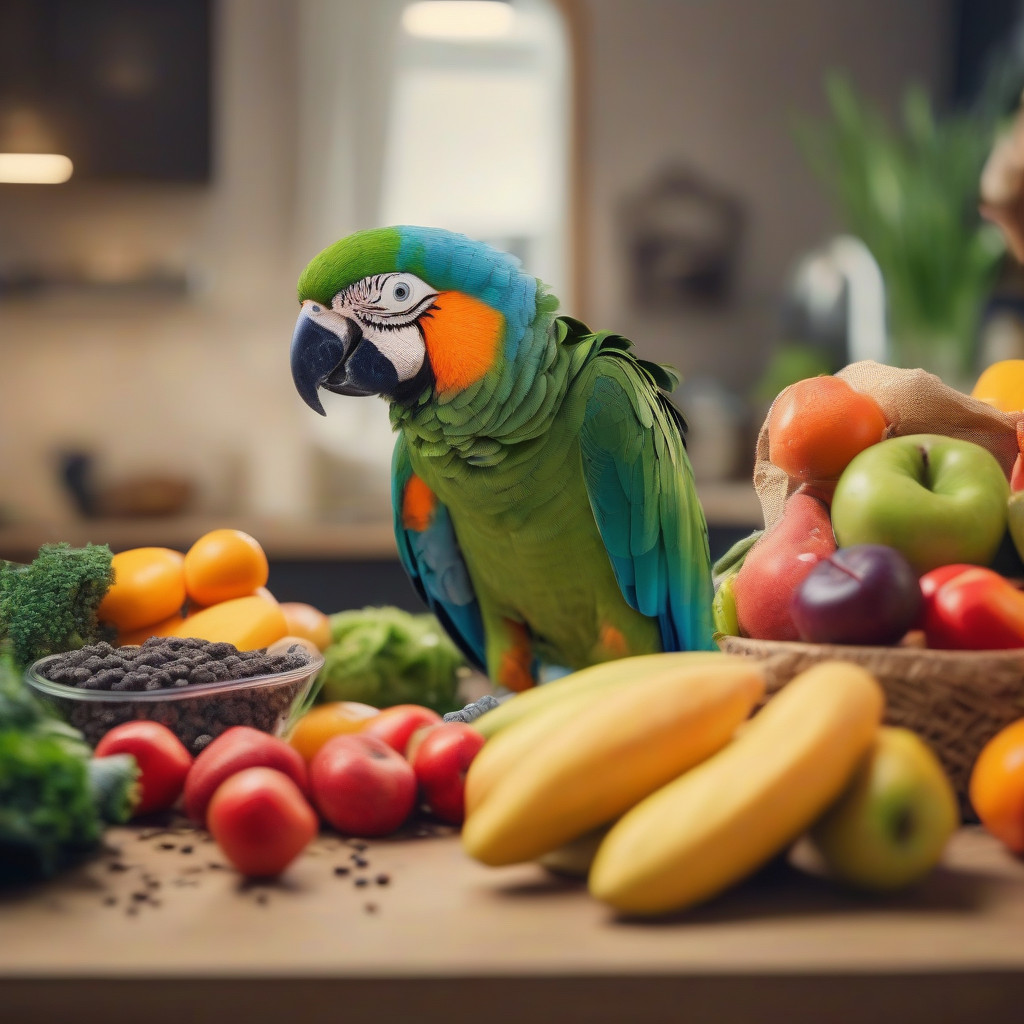
In this article, you will find comprehensive information about the insidious neurobiological effects of artificial colorings, preservatives, and flavors found in commercial bird feeds on your bird's brain health and mental vitality. We explore scientific nutritional secrets to combat these hidden dangers, shedding light on a wide spectrum of effects from behavioral changes to cognitive decline.
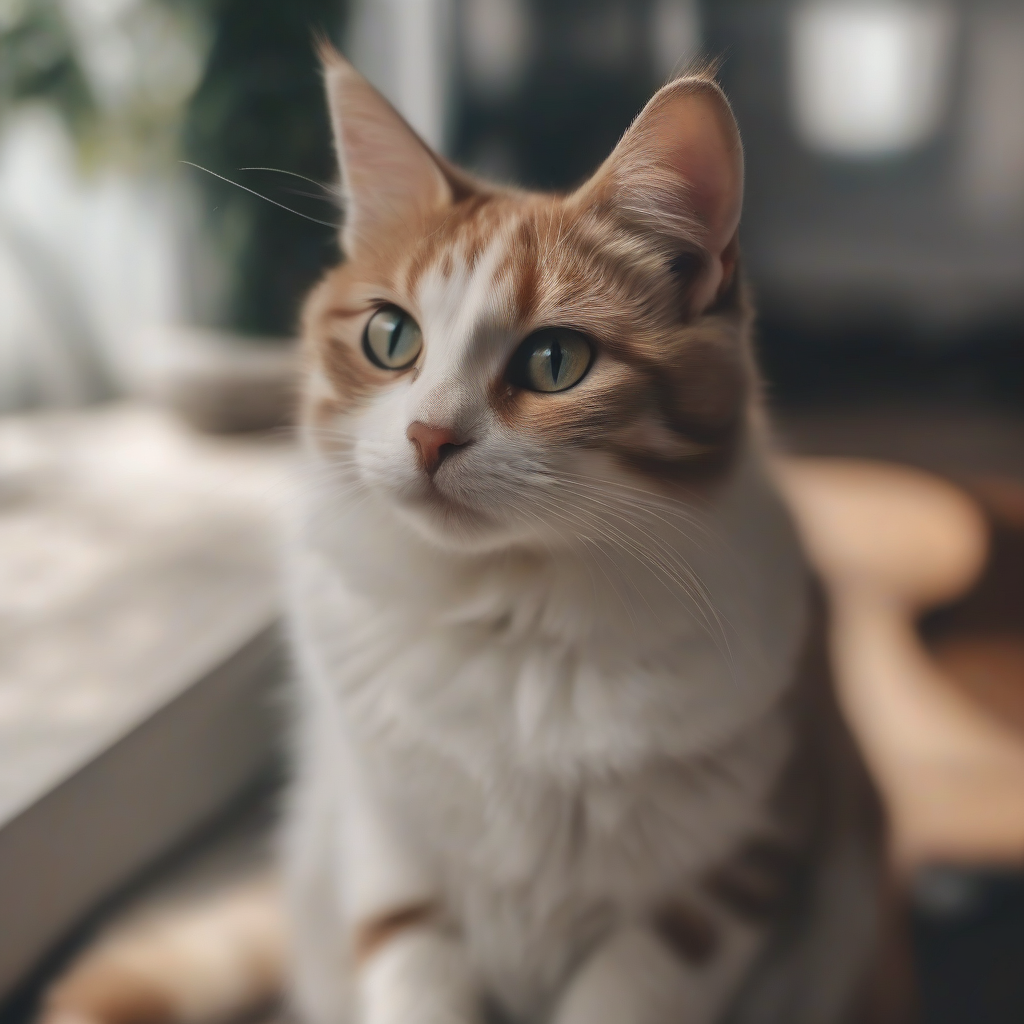
In this article, you can discover the scientific secrets to understanding your cat's undesirable habits, deciphering the neurocognitive mechanisms in their brain, and establishing lasting new routines.
Noticing your pet bird plucking its feathers can be a distressing situation for any bird owner. This behavior, beyond being just an aesthetic issue, can be an indication that your bird is experiencing deep psychological and physical distress. Feather plucking is a relatively common behavioral disorder among birds, often with complex underlying causes. But don't worry; scientific strategies based on solid research exist to help you navigate this "feather plucking labyrinth" and improve your little friend's well-being.
In this article, we will delve into the psychological and neurobiological origins to understand why your bird might be plucking itself. As veterinary strategists, we will explain the 5 most common hidden psychological triggers and offer actionable scientific solutions to break this behavioral cycle. Our goal is to help you protect your bird's mental and physical health, providing it with a happier and more balanced life.
Feather plucking (not to be confused with PBFD) is the deliberate act of a bird pulling, chewing, or breaking its own feathers. It should not be confused with normal preening, which is the act of tidying, cleaning, and aligning feathers. Feather plucking is excessive and compulsive, causing damage to feathers, skin, or follicles. It typically occurs in areas the bird can reach, such as the chest, legs, underwings, and back. While this behavior can stem from medical issues (parasites, allergies, nutritional deficiencies), it is largely attributed to psychological and environmental factors. Once physical causes are ruled out, it is often considered a behavioral cry for help.
The psychological triggers behind feather plucking behavior are quite diverse, given the complex brain structures and social needs of birds. Here are the most common ones:
Birds are highly sensitive creatures to changes in their environment. Factors such as loud noises, sudden movements, a new cage mate, changes in household routine, or loneliness can lead to chronic stress. This continuous state of stress can cause an increase in stress hormones like cortisol and an imbalance of neurotransmitters like serotonin in the bird's brain. The bird may begin plucking its feathers as a self-soothing mechanism to alleviate this internal tension. This can be viewed as the brain's "escape mechanism"; an attempt to move away from a painful emotional state through a physical action. To better understand the effects of stress and anxiety on your bird, you can refer to our article: Your Bird's 'Hidden Alarm System': 5 Overlooked Neurobiological Secrets of Social Cohesion and Conflict-Preventing Behavioral Codes!.
Birds are highly intelligent animals and are constantly exposed to new stimuli in their natural habitats: foraging, hiding from predators, social interactions, tunneling, nest building. Pet birds can easily become bored when deprived of adequate mental stimulation. A monotonous cage environment, insufficient toys, or lack of attention from the owner can affect dopamine levels in the bird's brain, disrupting the satisfaction and reward cycle. This "mental hunger" can manifest as destructive behaviors like feather plucking. Birds that cannot find activities to engage their brains tend to fill this void with self-harming actions. If you're curious about the insidious effects of cognitive stimulation deficiency on your bird's behavior, you might want to check out Your Bird's 'Mental Hunger Syndrome': 5 Insidious Behavioral Effects of Lack of Cognitive Stimulation and Scientific Solutions to Develop the Brain!.
Most birds live in flocks in nature and require strong social bonds. For pet birds, this "flock" often consists of human owners or other cage mates. Lack of sufficient social interaction, inadequate attention from the owner, inability to adapt to a new friend, or loss of a mate can create a deep sense of social deprivation in birds. This situation can disrupt the balance of neuropeptides like oxytocin and vasopressin, which are associated with social bonding, making the bird feel lonely and insecure. Feather plucking can become a self-soothing or attention-seeking attempt to fill this social void. To learn how your attachment styles influence your bird's social development, please read our article: Your Bird's 'Human-Faced Flock': 5 Neurocognitive Secrets of How Your Attachment Styles Shape Your Bird's Social Development!.
Environmental factors such as cage placement, ambient noise levels, and lighting have a greater impact on your bird's psychology than often realized. Constant loud noises, TV or radio background noise, sudden light changes, or insufficient/excessive daylight can disrupt your bird's biological rhythm and sleep patterns. This leads to chronic fatigue, irritability, and increased stress levels. Improper lighting can affect the bird's melatonin production, reducing sleep quality, which in turn can increase anxiety and the tendency to pluck feathers. To discover the unknown neurobiological effects of cage placement and lighting on your bird's well-being, we recommend reviewing the article: Your Bird's 'Hidden Climate Engineering': 5 Unknown Neurobiological Effects of Cage Placement and Lighting!.
In some cases, feather plucking may initially stem from another cause (e.g., itching) but over time becomes a learned behavior. When the bird plucks its feathers, the owner might panic, show attention, or take it out of its cage. These reactions can act as a "reward" for the bird, reinforcing the behavior. The bird learns to repeat this behavior to gain attention or get what it wants. Breaking this cycle requires the owner to respond consciously and consistently. Exploring the neurochemical secrets of motivation in bird training can help you understand behavioral cycles. For more information on this, you can refer to our article: Your Bird's 'Secret Motivation Engine': Unlock the Unknown 5 Neurochemical Keys to Training!.
Solving the feather plucking problem requires a comprehensive and patient approach. Here are some science-based strategies:
It is essential to keep your bird mentally and physically active. Offer a variety of chew toys, puzzle feeders, perches with different textures. Rotate toys to keep its interest alive. Create new and safe play areas. Foraging toys, which encourage natural foraging behavior, satisfy the bird's instincts and reduce boredom.
Spend quality time with your bird daily. Talk, sing, and play games with it. Reward desired behaviors using positive reinforcement. Try to understand your bird's body language and vocalizations. If possible, under the guidance of a specialist behaviorist, you might consider getting a suitable cage mate.
Place your bird's cage in a quieter corner of the house, yet still in a location where it can be part of family interactions. Keep it away from noisy environments and avoid sudden movements. Ensure consistency in the daily routine: feeding, playtime, sleep schedule. Cover its cage with a dark and quiet cover at night to ensure it gets quality sleep.
Like any behavioral issue, feather plucking should first be evaluated by a veterinarian. Physical causes such as parasites, bacterial or fungal infections, allergies, thyroid problems, liver disease, and nutritional deficiencies can trigger feather plucking. The effects of nutritional deprivation on feather health, in particular, can be significant. Our article Your Bird's Hidden Vitamin Reserve: 5 Insidious Signs of Nutritional Deprivation and Scientific Crystal Upgrading Strategies! can guide you on this matter. Behavioral treatment should only begin after a physical issue has been ruled out.
Feather plucking in your bird is often a complex problem arising from a combination of multiple underlying psychological and environmental factors. Navigating this labyrinth is possible with careful observation, patience, and a science-based approach. Remember that every bird is an individual, and solutions may vary. By collaborating with your veterinarian or an avian behavior specialist, you can determine the most appropriate strategies for your bird and restore the happy, healthy, and feathered life it deserves.
