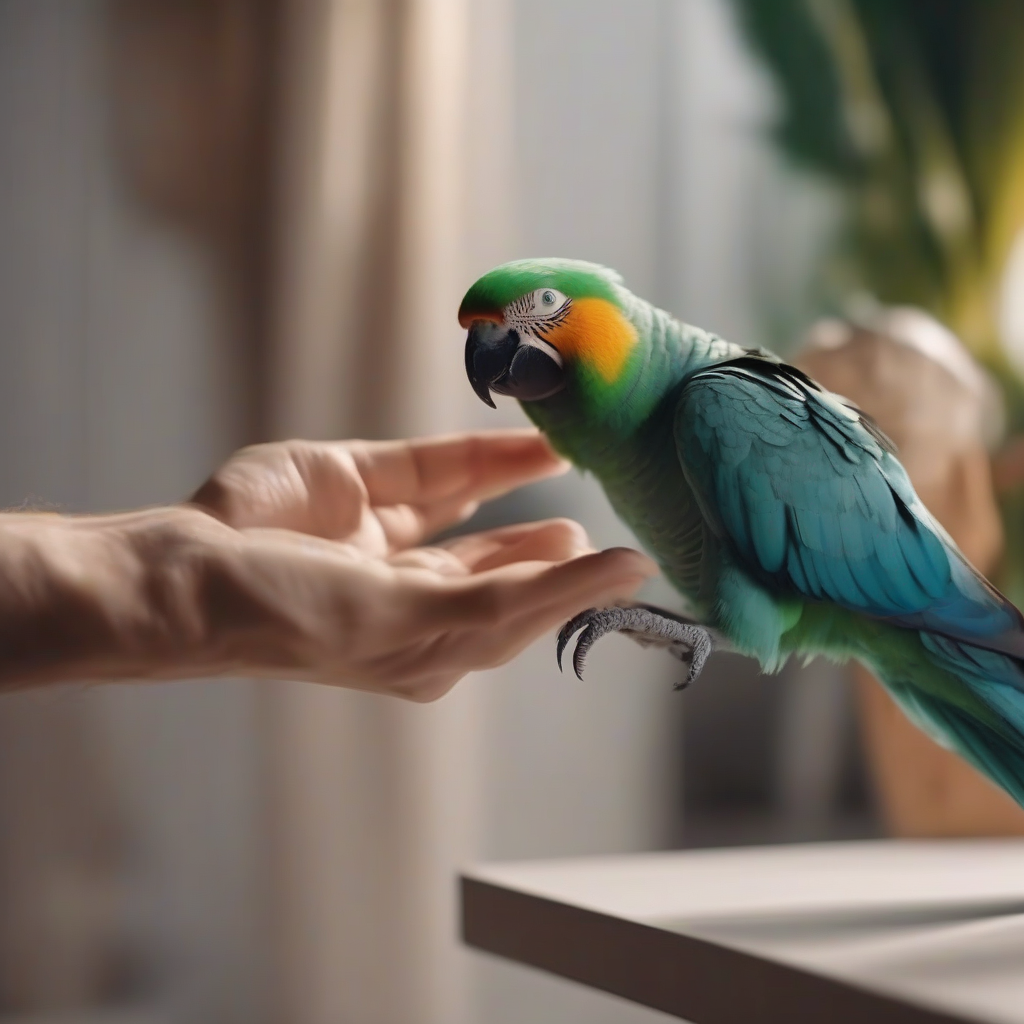
In this article, you will discover 5 critical secrets about how your attachment styles with your bird neurocognitively affect its social development and well-being.


Discover the types of burns your dog can suffer, the 5 insidious neurophysiological effects these burns create in the brain and body, and lifesaving emergency intervention strategies in this comprehensive guide. We shed light on the dangers behind forgotten household accidents from a scientific perspective.

Discover the neurobiological signals of hidden stress your newly adopted cat experiences during adaptation to a new social environment. This article reveals 5 insidious signs of your cat's silent struggle and scientific strategies for peaceful, long-term harmony.

Your dog's anal sacs, located beneath the tail, can be hidden alarm bells often overlooked but profoundly affecting their quality of life. In this article, you will discover the 5 insidious neurobiological effects of anal sac problems on the brain and the lifesaving care secrets you need to know for your furry friend to live a peaceful life.
Domestic birds, by their very nature, are highly social creatures. In the wild, these animals live in large flocks, and in a home environment, they tend to perceive their human owners as their 'flock.' This deep social bond is more than just an emotional interaction; it has a direct impact on your bird's neurobiological development and overall well-being. Understanding how human attachment styles shape the relationship with their birds, and consequently, their birds' social development, is of vital importance for every bird owner. In this article, we will explore 5 neurocognitive secrets from a scientific perspective on how human attachment styles influence your bird's brain chemistry and behaviors.
Human attachment theory is based on the relationships individuals form with their primary caregivers during childhood and affects their adult relationships. These fundamental principles can operate through similar mechanisms in human-animal interactions. Birds are highly sensitive to consistent and responsive human reactions, and these reactions either activate or suppress their brain's reward, stress, and social learning circuits.
Secure attachment develops in a consistent, responsive, and predictable care environment. When you establish a secure bond with your bird, you provide it with a safe haven. This triggers the release of oxytocin, known as the 'love hormone,' in your bird's brain. Oxytocin strengthens social bonds, reduces stress, and increases feelings of trust. Birds exhibiting secure attachment explore their environment more comfortably, are more open to new experiences, and tend to seek refuge with their owner in stressful situations. Neurocognitively, the prefrontal cortex of these birds functions more effectively, enhancing their problem-solving and adaptability skills. Amygdala (fear center) activation is better regulated, reducing fear-based responses and facilitating social learning processes. This secure environment also increases your bird's capacity to learn new commands and behaviors. Our article, Your Bird's 'Hidden Bonding Map': Neurocognitive Secrets of First Contact in a New Home and 5 Scientific Ways to Build Lifelong Trust!, offers more in-depth information on this topic.
Anxious attachment is a result of inconsistent or unpredictable care practices. When a bird experiences intense attention one day and neglect the next, it lives in a constant state of uncertainty and stress. This inconsistency continuously activates the bird's hypothalamic-pituitary-adrenal (HPA) axis, leading to chronically high levels of cortisol (the stress hormone). High cortisol can lead to behaviors such as separation anxiety, excessive clinginess, constant seeking of attention, or, conversely, irritability and aggression in your bird. These birds live in a constant 'alarm' state, perceiving potential threats in their environment exaggeratedly and struggling with social interactions. This can weaken their immune system and negatively affect cognitive functions in the long run.
An avoidant attachment style is characterized by emotional distance, unresponsiveness, or indifference. It can develop in an environment where your bird is consistently neglected or its emotional needs are not met. In this situation, the bird 'learns' to act independently of its owner and avoid human interaction. This state of learned helplessness can cause dysfunction in the bird's social reward circuits (dopamine system). As a result, the bird may exhibit stress responses such as apathy, depressive behaviors, feather plucking, or self-mutilation. Your bird's desire to interact with you or other birds decreases, which hinders their overall social development and can lead to the flock dynamic issues mentioned in Your Bird's 'Secret Social Circle': 5 Scientific Secrets of Flock Dynamics in the Brain and Communication Strategies to Reset Anxiety.
Disorganized attachment typically arises from traumatic past experiences, abuse, or extremely contradictory care behaviors. Birds exhibiting this type of attachment display unpredictable behaviors, oscillating between fear and attraction towards their owner. One moment they may be excessively clingy, and the next they may react with sudden aggression or avoidance. These conflicting signals plunge the emotional regulation and decision-making centers of the bird's brain into chaos. Connections between the amygdala and hippocampus can be disrupted, leading to learning disabilities, social maladjustment, and severe behavioral problems. This attachment style is more common in birds with past traumas, and our article, Your Bird's 'Forgotten Past': Scientific Secrets of Post-Trauma Resocialization in the Brain and 5 Critical Ways to Rebuild Trust!, offers strategies for coping with this situation.
The good news is that attachment styles are not rigid and can change. Becoming aware of your attachment style and consciously transforming your interactions with your bird can have positive effects on your bird's neurobiology and behavior. Adopting a consistent, patient, and responsive approach reduces stress responses in your bird's brain and reactivates its reward systems. This, thanks to neural plasticity (the brain's ability to reorganize itself), enables behavioral improvement in the bird. Providing positive reinforcement, a secure environment, and establishing consistent routines help your bird form new, secure bonds. This process can help your bird rebalance the social cohesion mechanisms mentioned in Your Bird's 'Hidden Alarm System': 5 Overlooked Neurobiological Secrets of Social Cohesion and Conflict-Preventing Behavioral Codes! and reset anxiety.
One of the fundamental factors shaping your bird's social development is the quality of the bond it forms with you. Becoming aware of your own attachment style is the first step towards building a healthier and more enriching relationship with your bird. Remember that your bird is part of your 'human-faced flock,' and its well-being is directly related to the love, consistency, and understanding you provide. If you encounter any behavioral issues or wish to improve your attachment style, do not hesitate to seek professional support from a veterinarian or a bird behavior specialist. Scientifically based approaches will enhance the quality of life for both you and your bird.
