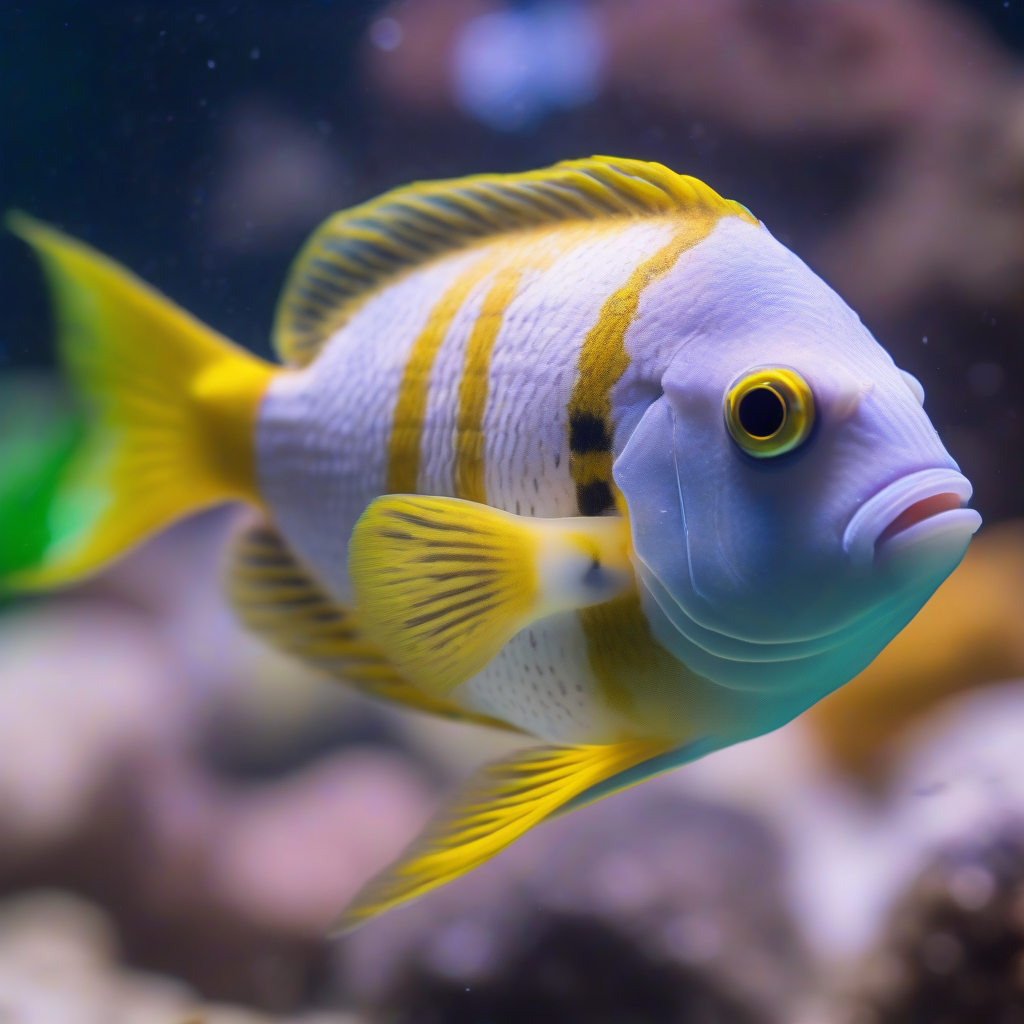
Your Fish's 'Invisible Mucus Armor': Scientific Care Secrets to Ward Off Stress and Diseases!
As you observe your fish in the aquarium, have you ever wondered how they manage to be so resilient underwater? Against countless pathogens, parasites, and chemical irritants in their environment, fish's most critical line of defense is their mucus armor – an invisible yet scientifically extraordinarily complex structure. This "invisible shield" plays a vital role in your fish's overall health, ability to cope with stress, and resistance to diseases. So, how can you protect and strengthen this miraculous armor?
What is the Mucus Armor and Why is it Vital?
The mucus armor, a thin, jelly-like layer covering the outer surface of fish, is a continuously produced mixture of glycoproteins, antibodies, and enzymes by specialized cells (goblet cells) in the skin. This layer is much more than just a barrier; it's practically a living, dynamic protective system:
- Physical Barrier: It prevents bacteria, viruses, fungi, and parasites from directly attaching to and penetrating the fish's tissues. It serves as the first line of defense against micro-injuries caused by sharp decorations or aggressive species in the aquarium.
- Chemical and Biological Defense: Thanks to its antibacterial enzymes (lysozyme), antibodies, and other immunological components, it neutralizes pathogens. It also limits the absorption of waterborne toxins and heavy metals.
- Osmoregulation: It plays a critical role in maintaining the salt and water balance between the fish's body fluids and the surrounding water. This is especially vital for freshwater fish, as they constantly need to prevent water from entering their bodies.
- Stress Reduction: A healthy mucus layer helps reduce the fish's overall stress level, making them calmer and more resilient. Stress can weaken the fish's immune system, which directly impacts the effectiveness of the mucus armor. In our article Your Fish's 'Hidden Emotional Spectrum': Deciphering Scientific Expressions of Joy, Fear, and Curiosity in the Aquarium!, you can delve deeper into the signs of emotion and stress in fish.
Stealthy Factors Threatening the Mucus Armor
This vital shield can be easily damaged due to various environmental and management factors:
- Poor Water Quality: High levels of ammonia, nitrite, nitrate, extreme pH fluctuations, and sudden temperature changes disrupt the integrity of the mucus armor. To better understand the impact of the aquarium's biofilm ecosystem on this balance, you can check out the article Your Fish's 'Invisible Chemical Labyrinth': Scientific Secrets of the Aquarium Biofilm Ecosystem and Its Impact on Behavioral Well-being!.
- Physical Damage: Harsh scrubbing, sharp decorations, fights between aggressive fish species, or careless netting/handling can damage the mucus layer. In our article Your Fish's 'Invisible Wounds': Stealthy Signals of Physical Trauma in the Aquarium and Lifesaving Emergency Intervention Protocols!, you can find emergency intervention information for such situations.
- Medications and Chemicals: Some medications or incorrect chemicals used in the aquarium can irritate or thin the mucus membrane.
- Nutritional Deficiencies: Inadequate or unbalanced nutrition, especially a lack of immune-supporting vitamins like Vitamin C, negatively affects mucus production and quality. The article Your Fish's 'Hidden Food Hooks': The Scientific Dance of Soft and Hard Foods and the Key to Healthy Digestion! offers more information on optimal nutrition.
Scientific Care Strategies to Strengthen the Mucus Armor
Taking proactive measures to protect and strengthen your fish's mucus armor ensures they live long and healthy lives:
- Consistent and Stable Water Quality: This is the most basic and crucial step. Keep ammonia and nitrite levels at zero and balance nitrates at low levels. Avoid sudden fluctuations in pH and temperature. Regular water changes and an appropriate filtration system are key. For more in-depth information on water quality parameters, you can read our article Your Fish's 'Invisible Classroom': 5 Scientific Tips for Learning Water Quality Parameters!.
- Balanced and Vitamin-Rich Nutrition: High-quality feeds should contain essential vitamins (especially C and E) and minerals that support your fish's immune system and promote mucus production. Diversifying the diet with live and frozen foods is beneficial.
- Minimum Stress: Avoid keeping your fish in overcrowded tanks. Pay attention to species compatibility, provide sufficient hiding spaces, and maintain a calm environment. Quarantining new fish reduces the risk of disease transmission and prevents stress for your existing fish.
- Careful Handling: Be gentle when catching or transporting fish. Use fine, soft-mesh nets and keep the fish out of water as little as possible.
- Mucus Protective Supplements: Some aquarium products contain ingredients like aloe vera or colloids that help fish regenerate their mucus layer during stress or water changes. These can be beneficial, especially when adding new fish or during the recovery process after medication.
Symptoms of Mucus Damage: Early Diagnosis Saves Lives
Early signs that your fish's mucus armor might have a problem include:
- Opaque or Cloudy Skin: The fish's skin appearing duller or cloudier than normal.
- Excessive Mucus Production: Observation of a white, stringy, or jelly-like layer on the body.
- Scale Loss: When the mucus armor is damaged, fish may also lose scales.
- Flashing: Fish rubbing themselves against decorations or the substrate in the aquarium.
If you notice any of these symptoms, checking water quality and observing your fish more closely is vital. Early intervention can prevent serious diseases.
Conclusion:
Your fish's mucus armor is not just an outer layer but a complex and vital biological system that directly impacts their health and well-being. By implementing scientific care strategies, you can strengthen this invisible shield, reduce your fish's stress, and make them more resilient against diseases. Remember, a healthy mucus armor means happy and long-lived fish.